The first Car-Mart was a restaurant with a different appetite. In August 1981, Bill Fleeman opened a used-car dealership in a converted Dog ’N Suds in Rogers, Arkansas. The former homebuilder sold vehicles to people whose credit made conventional financing difficult. Then he carried their notes. The important thing on that lot was the arrangement between the person holding the keys and the person who wanted them.
The deal, in three points
- One company, two jobs: sell the vehicle and finance the customer.
- The customer: someone who needs transportation but has limited credit options.
- The catch: Car-Mart needs money upfront while customers pay over time.
A drive-in becomes a way in
Consider the ordinary problem behind this unusual arrangement. A person needs transportation to earn money; buying transportation requires money or credit. Fleeman put the seller and the lender together. Someone excluded from one financing channel could try another without first finding a separate bank willing to make the loan.
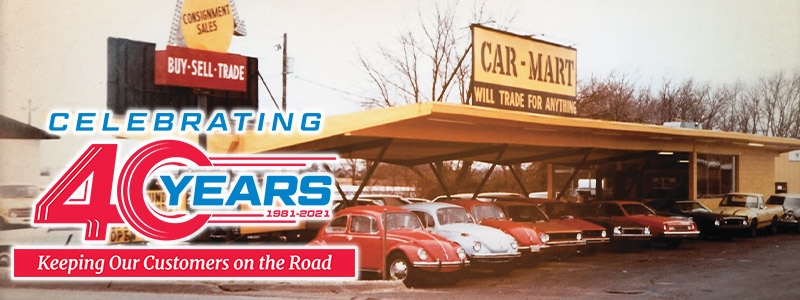
By its fortieth anniversary, Car-Mart counted 151 dealerships in 12 states. The origin is charming, but the durable idea is practical: make the vehicle and the payment plan available in the same place. The company still describes its purpose around earning repeat business. That makes the months after delivery part of the product.
The sale starts a second business
Car-Mart offers weekly, biweekly and monthly payments. Down payments depend on the vehicle, application, trade-in and any promotion. Applicants can begin online without choosing a car first; the company says prequalification does not affect their credit score. Prequalification is a preliminary step, however, rather than a guarantee that a vehicle purchase will follow.
Its customers may have no credit history, a previous repossession or a bankruptcy. The proposition is access and a workable schedule. Competing choices include other buy-here-pay-here lots, independent sellers and conventional dealerships’ used-car departments. The right comparison includes the vehicle, financing terms and service after the sale. A familiar monthly number alone tells remarkably little.

“Many companies display their company values on a poster on the wall.”
Ted Taylor · longtime Car-Mart associate
Taylor’s point, in a company profile of his career, was that employees should live those values. Car-Mart names integrity, respect, compassion and excellence. Those are corporate aspirations; the operational test is more concrete. Can the same organization manage a sale, a mechanical problem and a difficult payment conversation?
Keeping the car in the equation
A broken vehicle creates two problems in this model: the customer loses transportation, and the lender still needs repayment. Car-Mart sells optional Service Contract Plus packages covering specified mechanical failures, with oil changes and roadside assistance. Silver runs to 12 months or 12,000 miles; Gold doubles those limits; Platinum reaches 36 months or 36,000 miles. The first limit reached ends coverage.
An approved claim carries a $75 deductible. Repairs require advance authorization and a written diagnostic. Package availability depends on the vehicle’s purchase price, and the product is unavailable in Illinois. These details deserve attention before a buyer mentally files the whole package under “covered.”
The separate Accident Protection Plan can cancel remaining debt after an approved theft or total-loss claim. It has its own conditions, excludes Illinois and Indiana, and does not cover primarily commercial vehicle use. A delivery driver needs to understand that distinction. Buyers should ask for each optional product’s price, exclusions and effect on the financed balance.
There is another route through the business for someone selling a vehicle. Car-Mart partners with Carmigo, whose co-branded marketplace invites dealers to compete for the car. That page advertises free listing and a $350 fee if a sale meets the seller’s minimum price. It extends the relationship beyond the financed purchase.
The dealer needs financing, too
Car-Mart has worked on the machinery behind the lot. Its loan origination system reached full deployment in February 2024. A Cox Automotive partnership launched that April, addressing procurement, remarketing and reconditioning. Better purchasing and underwriting matter because a lender’s result depends on what happens after it approves the customer.
Then came the funding problem. In October 2025, Car-Mart arranged a $300 million secured term loan with Silver Point-managed funds, replacing its revolving credit line. By April 2026, Campbell said establishing warehouse financing to restore loan origination capacity was taking longer than expected. Replacing existing debt had not supplied every kind of funding the business needed.
Less stock. Fewer handovers.
The capital squeeze reaches the lot
Ending inventory USD millions
Retail vehicles sold Three months to July 31
Each pair uses its own scale. Fiscal Q1 2027 compared with fiscal Q1 2026.
For the quarter ended July 31, 2026, inventory finished at $35.2 million, against $112.5 million a year earlier. Retail units fell 81.9%. Management attributed the sales contraction to capital and vehicle availability. That explanation describes the constraint; it does not make the consequences smaller.
Sixty fewer doors
During fiscal 2026, the dealership count fell from 154 to 94. Annual revenue was $1.2815 billion, down 7.9%. The consolidation included $4 million in restructuring-related operating charges and $11 million in non-cash impairment. Customers’ accounts moved to nearby locations or a new centralized collections team. Employees affected received severance and employment assistance, management said.
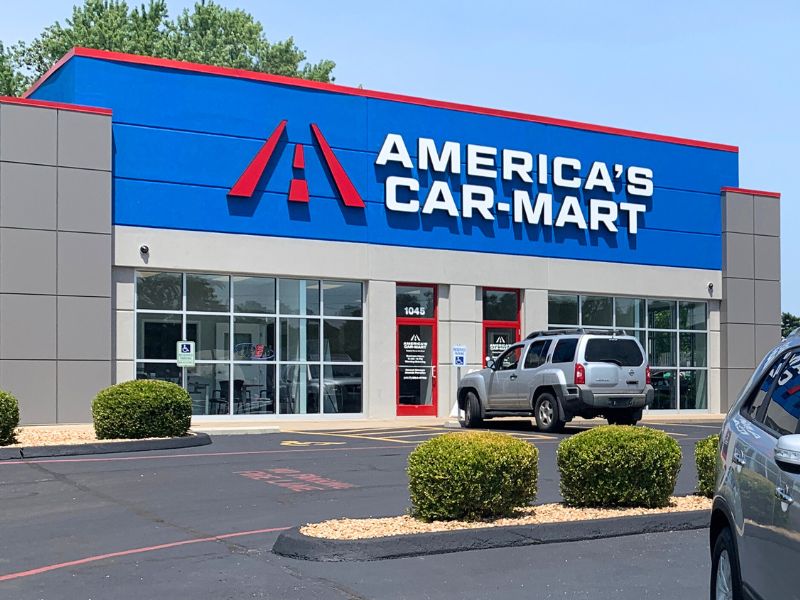
The annual filing raised substantial doubt about the company’s ability to continue as a going concern. An October 1 disclosure reported another temporary lender-waiver extension, through October 8. That was breathing room with a date attached, rather than evidence that the underlying financing problem had been resolved.
Copy the cash-flow thinking
For another operator, the useful lesson is to design around the customer’s actual cash flow, then fund the interval before collection. Car-Mart’s model needs affordable inventory, repayment capacity and dependable access to capital. Let any one deteriorate and a promising sale becomes harder to sustain. Fleeman put a lender inside a car dealership. The business still depends on keeping both supplied.