consumer-credit
(14)
Amplifi Built a £500 Million Lending Machine. Then the Credit Losses Arrived.
Amplifi Capital turned overlooked credit unions into a digital near-prime lending network, serving more than 100,000 people and disbursing over £1 billion. Its fall into administration shows how quickly a clever credit machine can jam when loan losses, funding and servicing economics turn together.
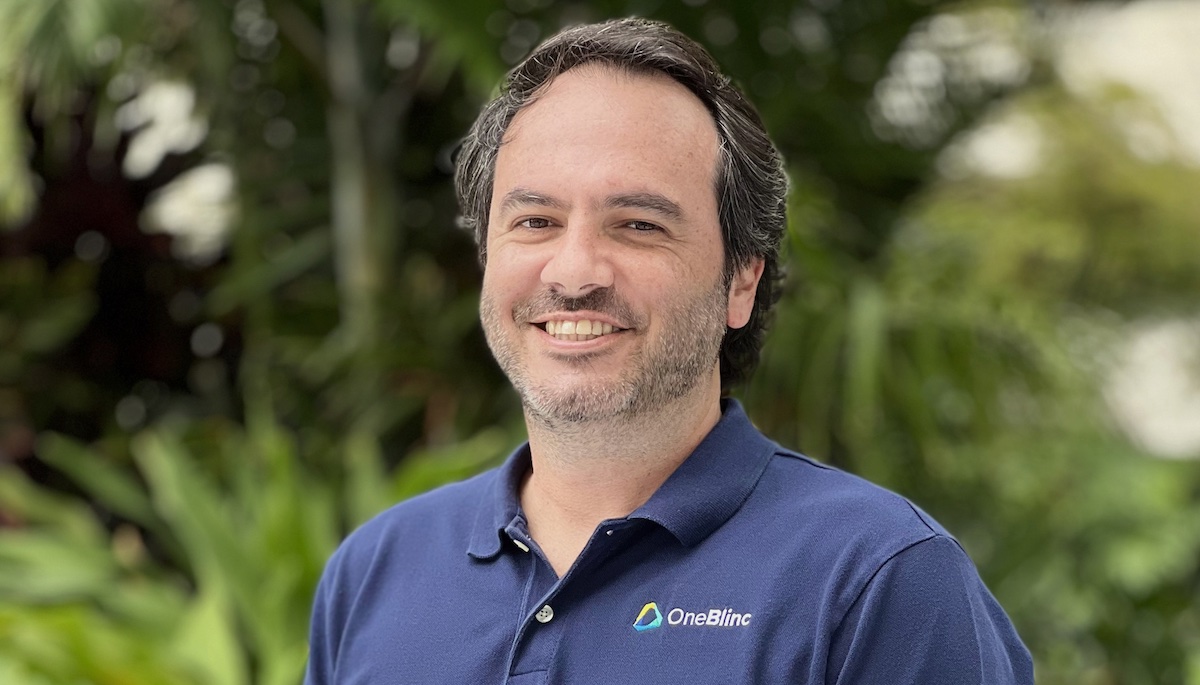
Fabio Torelli Found a $500 Blind Spot in American Credit
A Brazilian credit veteran arrived in Miami, landed in the algorithm’s blind spot, and built OneBlinc around a stubborn question: what if a score is only the beginning of the story?

The Phone-Top-Up App That Grew Into Brazil's Financial Swiss Army Knife
RecargaPay started with prepaid minutes. Now it wants one app to handle the small, constant money jobs of Brazilian life - and turn that daily utility into credit, savings and merchant relationships.

The Furniture Company That Built a Bank and a 32,000-Square-Meter Back Room
Muebles Jamar does not merely sell sofas. It coordinates local makers, extends household credit and moves bulky goods through one of Latin America's largest furniture distribution operations.

TransUnion
The quiet third name on your credit report runs a billion-consumer data engine. Here is how a 1968 railcar spinoff became a Tru-branded machine for deciding who gets to borrow, rent and buy.
Equifax
Most people meet Equifax as a credit score. Its larger business is the invisible machinery that helps decide who gets a mortgage, a job, a benefit or a second look - rebuilt on a $3 billion cloud platform and shadowed by the breach that changed the company.

Chantal Rapport
Before Chantal Rapport marketed algorithms, she learned to read customers from a cable truck. That habit - get close, notice the friction, then build the model - followed her all the way to Upstart's C-suite.

Enova International
Enova built a multibillion-dollar lending business by treating credit decisions as a software problem. Now the Chicago fintech is preparing to add something decidedly old-school to the machine: a bank charter.

Credit Acceptance
Credit Acceptance built a national auto-finance business by helping dealers say yes to buyers with thin or damaged credit. Its shared-economics model, proprietary scoring system and expanding AI service layer explain both the company’s staying power and the scrutiny that follows it.
Upstart
Upstart wants to replace the blunt instrument of conventional credit scoring with a learning system that prices each borrower more precisely. Its next test is larger than approval rates: proving an AI marketplace can grow through a full credit cycle without becoming the bank it once said it did not need to be.
Tomás Campos
Tomás Campos is the co-founder and CEO of Spinwheel, an Oakland-based fintech building agentic AI-powered credit data and payments infrastructure for the consumer debt market. A UC Berkeley and Haas School of Business graduate, he spent two decades in payments and commerce - growing Blackhawk Network's digital payments division into a $1.5 billion business and co-founding the conversational commerce startup FluidM, which was acquired by Westfield. He launched Spinwheel in 2019 after the consumer debt crisis touched his own family, aiming to make the fragmented world of loans and liabilities as accessible as open banking made bank accounts. In June 2025 the company raised a $30 million Series A led by F-Prime Capital.
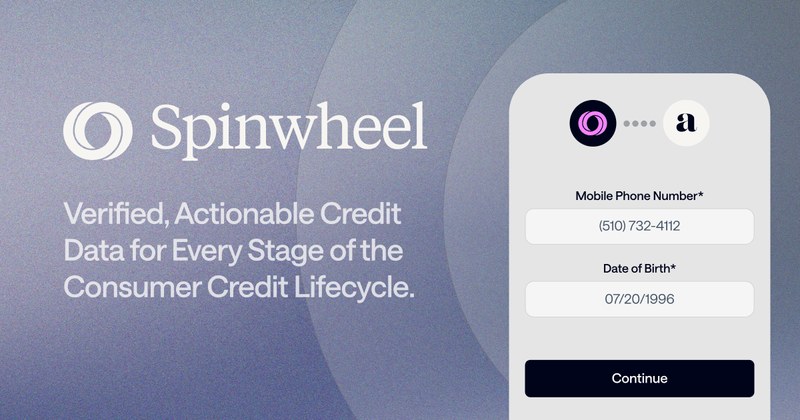
Spinwheel
Spinwheel is an Oakland-based fintech that provides real-time consumer credit data and embedded-payments infrastructure through developer APIs. Using a credentialless approach that needs only a phone number and date of birth, Spinwheel lets lenders, personal-finance apps, and debt-management companies connect, verify, and act on a consumer's debts and liabilities. The platform supports the full consumer-credit lifecycle - from segmentation and prequalification to disbursement, management, and payment - and, as of its 2025 Series A, powers more than 15 million users and 165 million connected accounts representing over $1.5 trillion in connected debt.
Cherry
Cherry is a San Francisco fintech that lets healthcare and wellness practices offer patients buy-now-pay-later financing at the point of care. Founded in 2019 by Felix Steinmeyer and Charles Mourani, the company underwrites loans up to $50,000 in under 60 seconds with a soft credit pull, pays providers upfront, and is used by more than 60,000 practices across dental, medical aesthetics, dermatology, optometry and veterinary care.
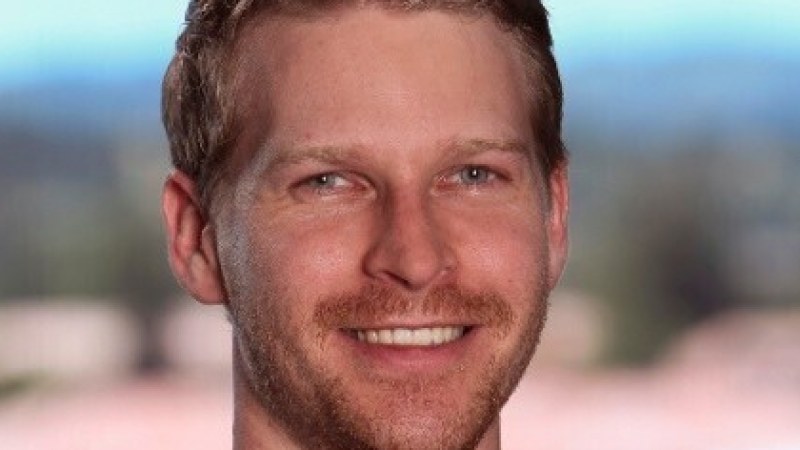
Felix Steinmeyer
Felix Steinmeyer is the CEO and Co-Founder of Cherry, the leading buy-now-pay-later platform built specifically for healthcare and wellness providers. A Stanford MBA with dual master's degrees, he previously co-founded and sold Mason Finance before turning his attention to the underserved gap between patients who need care and their ability to pay for it. Under his leadership, Cherry has grown to serve 60,000+ providers, raised a Series B of $44M in 2022, and in April 2025 achieved a valuation exceeding $2 billion with a Series C round - making it one of the most significant vertical BNPL players in healthcare.