Before a streaming service could introduce its catalogue to European viewers, somebody had to look inside the cupboard. There were titles, synopses, language variants and files accumulated over decades. ZOO Digital’s assignment covered more than 780,000 items of metadata in 13 languages. Roughly 90% needed further localization or media work. The cupboard was full. Very little was ready to wear.
- ZOO turns films and television into localized, technically compliant streaming packages.
- Its cloud software connects translators, actors, directors and delivery teams.
- An archive audit can prevent buying work that already exists - or trusting files that do not work.
- Its recent restructuring shows the price of depending on a few large entertainment buyers.
The archive that needed a passport
The project spanned 613 films and 774 television seasons. The client wanted a European streaming launch, with materials drawn from both older physical distribution and new productions. A title might have subtitles somewhere, artwork elsewhere, and several descriptions of different lengths sitting in different systems. Possession was an unreliable guide to readiness.
ZOO assigned a project manager and team, examined what existed, identified missing components and created or conformed the necessary assets. Checked materials were consolidated back into the client’s systems. The point was to arrive at a dependable library without paying twice for the same useful component. It is an unusually good illustration of the company’s trade: discovering the distance between “we own the content” and “the audience can watch it.”
metadata items / 13 languages
Roughly 90% required further localization or media services.The customer remains unnamed in the published case study. The operational detail is plenty. A global launch can stall on a synopsis just as surely as on a soundtrack; both belong to the package the platform expects.
The factory is a workflow
ZOO sits between content creation and international distribution. Studios, streaming services and other rights holders buy dubbing, subtitles, captions, audio description, scripting and localized artwork or metadata. They also buy the technical work: mastering, transcoding, quality checks, packaging and delivery. Its media services cover more than 80 languages. The creative brief meets the specification sheet.
A distributor with licensed content can use its Post to Platform service to coordinate the trip from onboarding to final delivery. A platform can use the same arrangement to reduce the burden of handling individual content partners. The attraction is one managed process for work that otherwise arrives in separate pieces.
- 01InspectFind assets. Check condition.
- 02AdaptVoices, text, artwork.
- 03ConformFormat, master, check.
- 04DeliverPackage for the platform.
The organizing layer is ZOOstudio, launched in 2019. It brings localization management into a cloud system designed to work across multiple language service providers. That vendor-agnostic design matters. A studio’s real problem does not stop at the boundary of one supplier’s contract. It needs to see the condition of a title across the entire job.
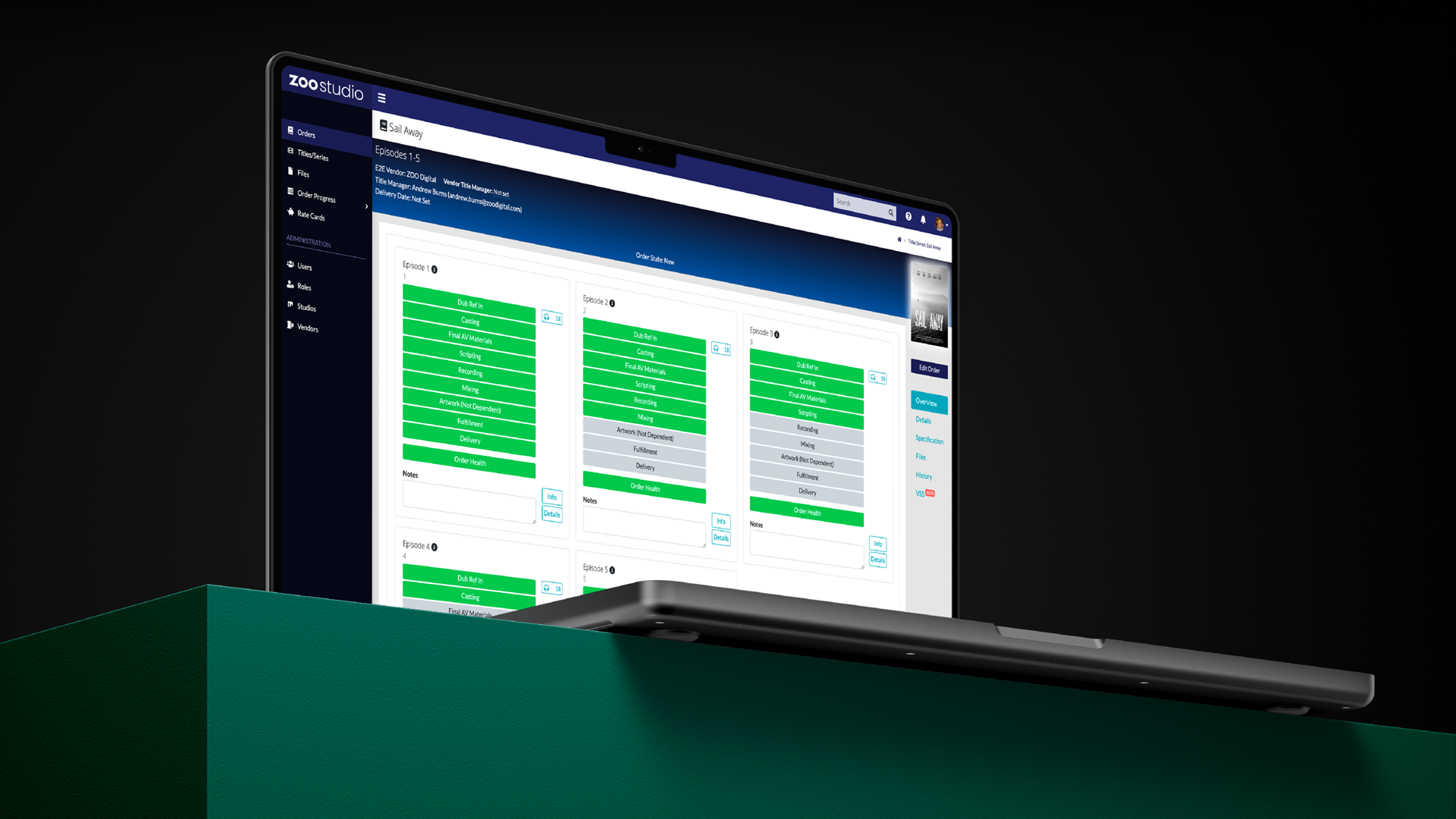
ZOOdubs handles the dubbing workflow, from adaptation and casting through recording, mixing and delivery. ZOOsubs gives translators a subtitling workstation with glossaries and quality checks; existing subtitles can be converted to new specifications and retained for reuse. AWS provides the underlying cloud infrastructure. These tools make repeatable work easier to manage while keeping specialist work in the hands of specialists.
A room full of people, scattered around the world
Dubbing is a peculiar manufacturing problem. The output must be consistent, but a convincing performance is rarely mechanical. A director needs an actor who can deliver a line in time, in character, and in a way that belongs to the audience hearing it. ZOOdubs provides real-time collaboration, including video conferencing, so actors and directors can work together across locations.
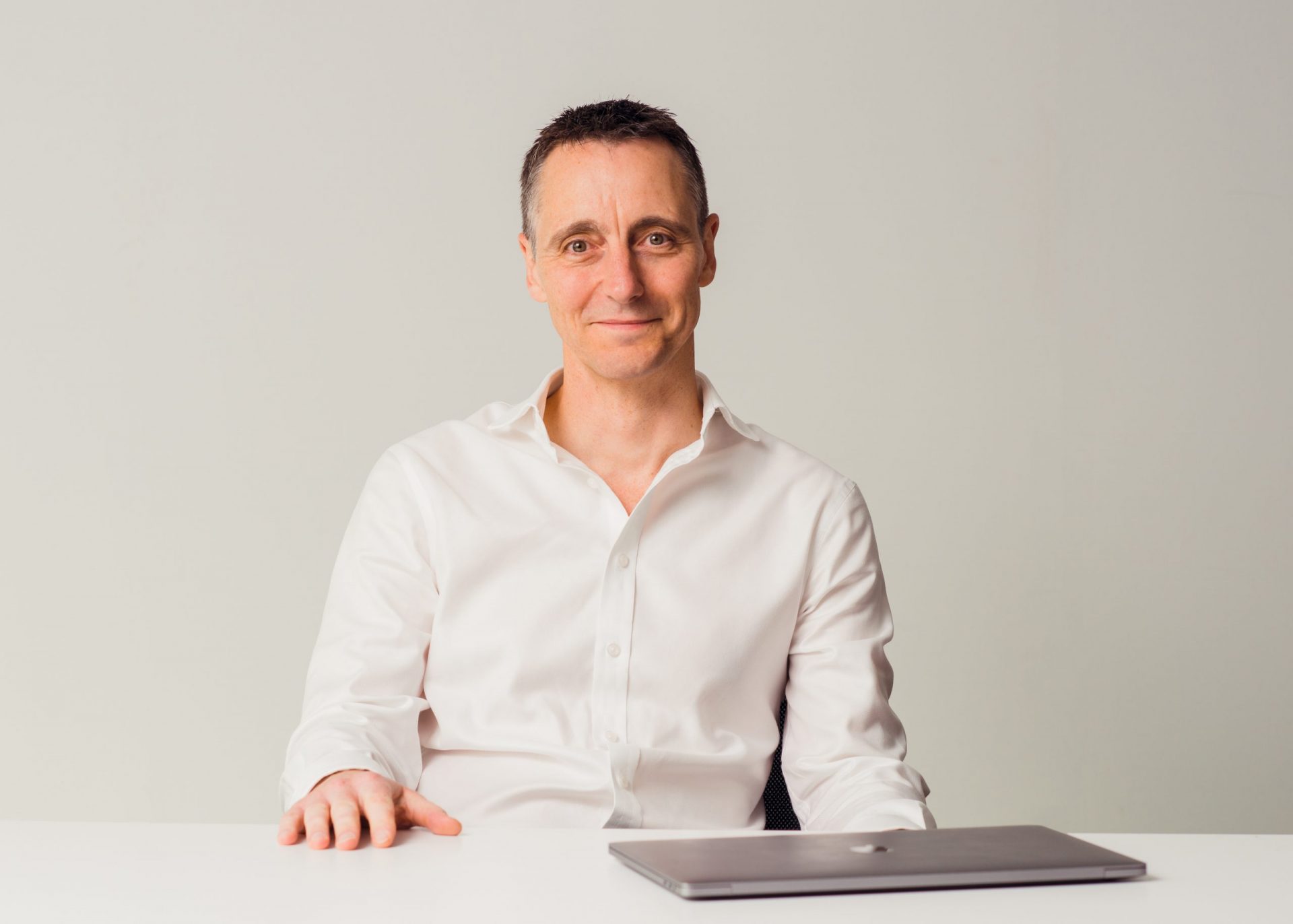
The company’s expertise reflects that mixture. Its public biographies include creative leaders with substantial Disney, Sony and other localization experience. Its technology leadership comes from software. Co-founder Stuart Green began as CTO and became CEO in February 2006; he has a doctorate in computer science. The company credits him with more than 30 software patents.
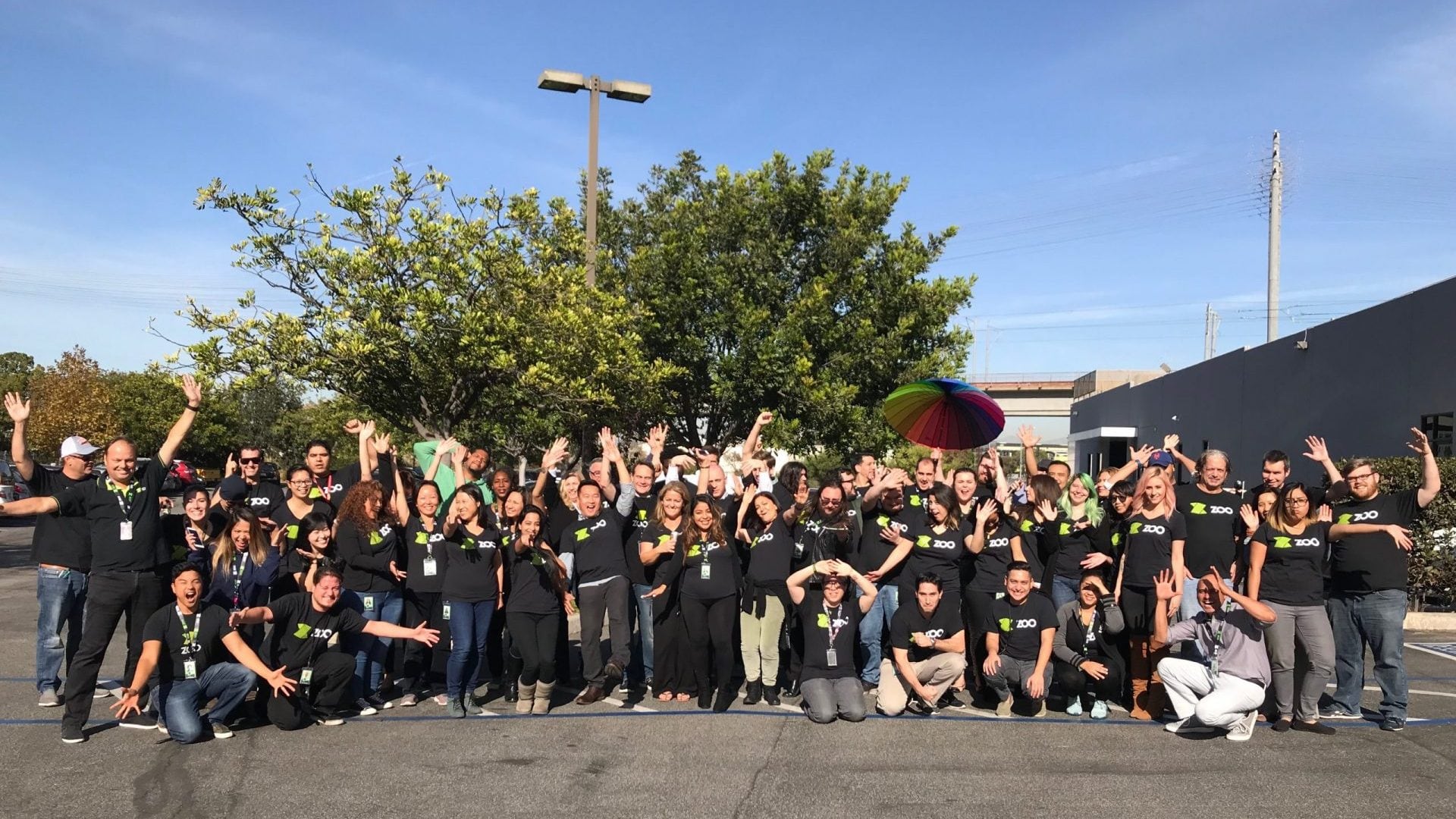
ZOO Academy extends the combination into training, offering practical localization courses and instruction in its platforms. Its collaboration with AVT Masterclass on subtitling from a template addresses a deceptively difficult job: turning an existing structure into readable, well-timed language. The company’s stated culture stresses shared ideas, customer understanding and respect across its teams. Training is a more tangible expression of those ambitions than an office slogan.
“It’s our job to make your life easier.”ZOO Digital, its own description of the customer brief
There is evidence of delivery performance as well as intent. In October 2024, ZOO announced Netflix’s Americas high-volume fulfilment award, reporting a 0.22% redelivery rate and 100% on-time delivery for that recognition. Those figures belong to that award context. They explain what a buyer values: fewer packages coming back and fewer deadlines becoming conversations.
When Hollywood changed the order
The business model is principally services sold to other businesses, supported by proprietary technology. ZOO occupies the same broad market as Iyuno, Deluxe and Pixelogic, with specialist dubbing studios offering narrower alternatives. Its argument is the combination of creative work, technical delivery and software coordination. Buyers still have choices.
They also have considerable influence. Hollywood’s 2023 strikes interrupted production, and streaming companies subsequently changed their content strategies. ZOO’s 2025 annual report described more licensing of third-party material, which generally required less dubbing and a greater share of media services. A backlog cleared after the strikes could make one period look busy without establishing the workload of the next.
By FY2026, ZOO was reporting a leaner operation. Revenue fell to $42.3 million from $49.6 million; gross margin rose from 36% to 42%. Its restructuring included integrating international operations, moving certain functions to Chennai and reducing staffing. The results illustrate a hard supplier lesson: a workflow that scales upward still needs a cost base that can come down.
Adjusted EBITDA reached $4.0 million, but the company still recorded a $1.6 million operating loss. Its own cash EBITDA measure, which deducts capitalized development and property costs, was $0.4 million. Keeping those figures together prevents a flattering metric from doing all the talking. Its two largest customers still supplied 59% of annual sales, down from 68% a year earlier.
Expansion had required capital too. In April 2023, ZOO raised £12.5 million, approximately $15.5 million, through a share placing at 160 pence, with a separate retail offer adding about £0.16 million. That was financing for the company’s growth plans, including a proposed Japanese partner acquisition. It is not a price tag for a customer’s dub.
The clock is now part of the product
Fast Track makes the next proposition unusually concrete. ZOO publishes examples of a 30-minute show voice-over dubbed into six languages inside 24 hours, and a 45-minute show subtitled into 32 languages in four hours. Its approach combines parallel workflows with production across time zones. These are specific completed examples, with durations and language counts attached, rather than a promise that every project takes a day.
By its September 2026 AGM presentation, ZOO said Fast Track had served multiple customers across more than 30 languages. The same presentation put newer content formats introduced since 2023 at 10% of revenue. Urgent releases give coordination a price: waiting several weeks can spoil the value of a programme people want to discuss tonight.
ZOO’s public position on AI is similarly conditional. Some titles suit accelerated or hybrid workflows; others need extensive creative oversight. Its pitch combines automation with specialist judgement. A cloud platform can arrange the session and move the files. Someone must still decide whether the character sounds believable.
Start with the cupboard
For a content owner, the useful first step is an asset audit: what languages exist, which versions are usable, what the target platform requires, and which pieces are missing. The 780,000-item project demonstrates why ordering replacements before answering those questions can waste money. ZOO does not publish a general service price list; scope and schedule belong in a project brief.
The operating lesson travels beyond entertainment. Establish a shared inventory, make status visible, and reserve skilled attention for decisions that need it. ZOO’s model makes particular sense when many languages, assets and delivery rules must be coordinated. A simple translation job may need much less machinery. Nor can the machinery create demand when major buyers reduce their orders. That limitation is written into ZOO’s recent accounts.
The viewer sees a play button. Behind it sit a performance, a translation and a remarkable number of checked details. ZOO’s business is to make those details arrive together, so the audience can get on with the story.
Follow the work
Explore ZOO Digital, ZOOstudio, Fast Track and ZOO Academy.
Company news · LinkedIn · X · Instagram · Facebook
Watch: July 2026 results presentation · April 2023 trading update · Interview and webinar library.