A wedding date is a small piece of information to put on a T-shirt. It is also a remarkably unforgiving one. Print the wrong year and the cotton may be perfectly good, the parcel may arrive on time, and the present may still be useless. That tension runs through Zexpa Apparel’s business: the customer supplies something personal, and a production process has to preserve it.
Consider its matching bride-and-groom shirts. A public product listing describes familiar wedding labels paired with a customizable date after “EST.” Buyers choose sizes and colors, then supply the occasion they want to remember. The same basic design can mark an engagement, a wedding or the year a couple met. The emotional distinction sits in a few characters.
There is something pleasingly modest about the proposition. Nobody needs a new category of clothing to commemorate a honeymoon. They need an ordinary shirt to say the right thing. Zexpa’s catalog is full of that kind of transformation, from a canvas bag assigned to a bridesmaid to a household object bearing a family detail.
The gift is personal. The file needs checking.
Zexpa describes a business combining custom apparel and gifts with design, production and marketplace operations. Its stated customers include individual shoppers and brands, with room for small-batch business orders. Amazon and Etsy are central to its description. Design concepts, product imagery and production-ready artwork belong in the same offering as the finished item.
A Turkish-language prepress vacancy supplies a more concrete picture. The company says its design team creates templates that are personalized to customer requests. The advertised work includes preparing print files, checking spelling and alignment, ensuring print suitability and arranging files for automation. Adobe experience and attention to detail are among the requirements.
Read as a description of work, that notice is revealing. The person handling a file must protect the meaning of the purchase while making it usable in production. A name that looks fine in an order form can become cramped in a design. A line that looks centered on a monitor still needs to belong in the printable area.
Personalization makes a tiny detail carry the whole purchase.
The editorial takeaway
The practical lesson for another seller is straightforward: define which parts of a design can change, and check those parts before committing them to a physical object. That is an inference from the workflow, not a claim that Zexpa invented it. Its appeal is precisely that the method is understandable enough to copy.
- 01ChooseProduct, design and options
- 02PersonalizeCustomer text enters a template
- 03CheckSpelling, alignment, print suitability
- 04MakePrepared artwork becomes a product
A catalog built around people with somewhere to be
The older event-tote listing is almost a seating plan. Its intended recipients include bridesmaids, the maid of honor, the mother of the bride and the flower girl, alongside relatives and friends. The cotton-canvas bag was described as 15 by 17 inches, with design and printing in Southern California. An ordinary carryall becomes a way of naming someone’s part in an event.
The makeup pouch takes a smaller version of that idea. Its historical listing describes a customizable cotton-canvas cosmetic bag for bridesmaids, partners, mothers and other gift recipients. At a displayed $10.95, the offer placed a personalized gesture within a relatively small purchase. That figure belongs to the older listing; it is not a current checkout quote.
A floral tote, historically displayed at $14.95, stretches the same idea across beach trips, exercise, vacations and everyday use. The buyer gets a practical object with a personal addition. For a group organizer, the attraction is easy to understand: a shared visual theme can coexist with a different name on every bag.
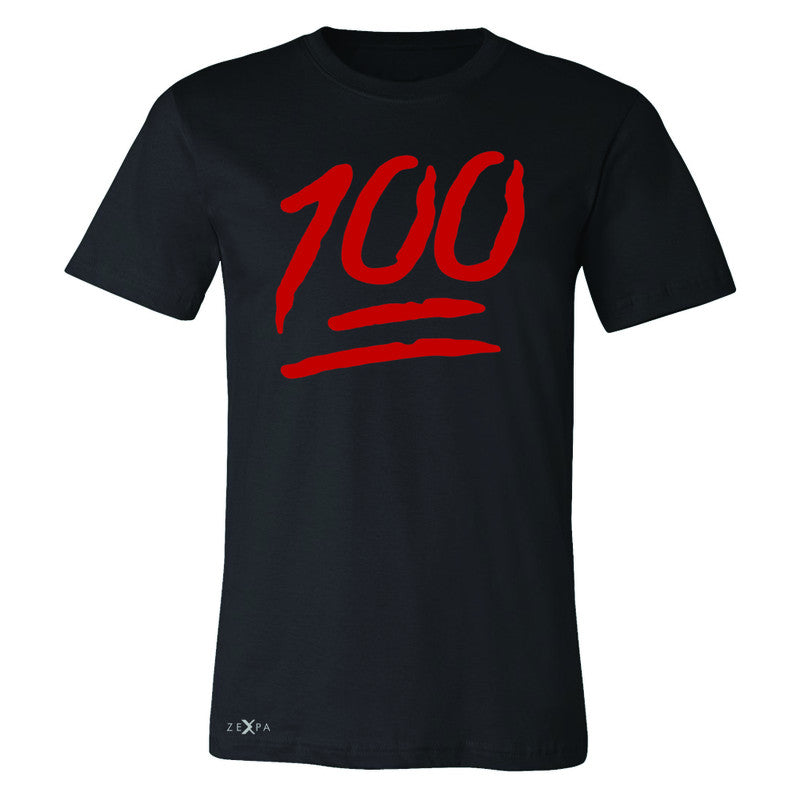
The catalog also has a less sentimental side. An older black T-shirt displays the red “100” emoji at chest height. Its listing offered six colors and six sizes, and specified different fabric blends for solid and heather variants. That is useful context for the brand: ready-made graphic humor and made-to-order recognition can occupy neighboring shelves.
What the old price tags can tell us
The historical catalog provides a narrow but useful view of positioning. The event tote displayed $9.95. The makeup pouch displayed $10.95. The floral tote displayed $14.95. These are individual listing prices, with their own options and descriptions, rather than a controlled comparison of identical products. They suggest an offer aimed at accessible gifts rather than elaborate commissioned pieces.
Price alone cannot tell a buyer how substantial a bag feels, how a print will wear or how much attention a custom request receives. Those questions belong with the product specification and the actual order terms. For a seller studying the category, the same restraint applies: a retail price is a starting point for questions about costs, not an answer to them.
Zexpa’s older apparel copy describes both heat transfers and direct-to-garment printing, and says customers can add text to existing designs or discuss their own artwork. It also presents quality and affordability as joint aims. The useful distinction is the range of work offered around a product: the shopper may want a finished design, a small edit or something more individual.
A business customer should therefore define the job before comparing quotes. Changing one name on a prepared template is a different brief from developing artwork for an entire range. Quantity, material, customization and timing belong in that brief. This is a purchasing inference from the services described, rather than a published Zexpa pricing formula.
Christmas has a shift schedule
The prepress job advertisement gives the holiday trade a working calendar. It describes a remote contractor role, five working days a week and an 08:30-to-17:30 schedule. Valentine’s Day, Mother’s Day and Christmas may bring overtime. From November 15 through December 20, it specifies shift work across departments. Public-holiday work is advertised at one and a half times the usual pay.
Those details matter because an occasion-specific purchase has an occasion-specific deadline. A birthday gift delivered after the birthday may still be an object someone likes, but it has missed part of its assignment. Seasonal staffing is one visible response to that problem. The calendar makes the pressure concrete without requiring a dramatic story about a failed Christmas.
For another small business, the transferable idea is to put the event date into the operating plan as early as the design. Extra orders create extra files to check as well as extra products to make. A plan that counts only printing capacity could overlook the work needed to get those files ready.
There is more here than a Shopify password screen
Visit Zexpa’s own website and the first impression is a pause. On September 10, 2026, its Shopify page displayed “Opening Soon” and said it was not taking orders. That is the status of that storefront. It does not establish that every marketplace channel is closed, or that the company itself is newly launching.
The brand has a longer paper trail. Its trademark application was filed in May 2018 and registered in April 2019. The record claims first commercial use in January 2016; the company separately lists 2019 as its founding year. These dates describe different things. Together, they make a literal reading of “Opening Soon” as the beginning of the entire business untenable.
Its company profile places core operations and U.S.-focused fulfillment in the United States, with supporting teams in Turkey and Poland. That description positions Zexpa as a cross-border design and production operation serving a largely American customer brief. Its stated use of tested listing visuals also puts selling the object within the work, alongside designing and making it.
The common thread is what the customer adds
Public reseller listings extend the product trail beyond apparel. A wooden key rack can carry a couple’s wedding date. An acrylic photo block turns a chosen image into a freestanding keepsake. A ceramic garden planter is offered with family names. These listings show the breadth of the branded assortment, rather than proving formal partnerships with the resellers displaying them.
That breadth helps explain where Zexpa fits. The relevant alternatives are other personalized-gift sellers and custom printers, each offering some combination of design choice, materials and delivery. The comparison that matters to a customer is specific: can this seller produce this object, with this wording, for this occasion? A broad catalog is useful only when those particulars work.
There are limits to the approach. A template-based gift is a better fit when a buyer can choose within its available options; an entirely original commission needs a different conversation. A fixed event date also leaves less room for revisions. The customer’s smallest contribution deserves the clearest confirmation. With a personalized present, getting the name right is part of making the thing worth giving.
Explore Zexpa
Check current ordering details and follow the company through its published channels.