A contract can protect a mission so carefully that it makes people timid. That is one of the more surprising lessons inside Working Capital Fund, a venture firm built to improve the lives of people who make, grow and move the things the rest of us buy.
- Back businesses that make workers and suppliers visible.
- Give buyers a commercial reason to act on that information.
- Measure what changes for workers, alongside business growth.
In an interview with the Investing in Impact podcast, managing partner Ed Marcum described a problem with the first fund’s program-related investment structure. Mission protections could permit withdrawal if an investment departed from its purpose. Some founders responded by setting conservative impact goals. The incentive meant to preserve ambition was making ambition harder.
Marcum said the firm spun out in 2020 and raised a second fund without that structure. Conversations could become more aspirational. The episode captures something useful about this company: its own tools needed revision, too.
The worker beyond the spreadsheet
Working Capital Fund emerged from Humanity United, the human-rights foundation within The Omidyar Group. Its public launch in January 2018 announced $23 million in commitments. Provenance, working on product traceability, and Ulula, gathering worker feedback, were already investments. The founding proposition was that businesses needed tools capable of keeping up with their sprawling production networks.
A buyer may know the company sending an invoice while knowing much less about the subcontractor, farm or recruitment agent further upstream. That missing information matters. A supplier relationship can carry unpaid wages, forced recruitment debt or dangerous working conditions without those costs appearing in the purchasing system.
In a 2021 explanation of their approach, Marcum and fellow managing partner Dan Viederman argued that social audits and voluntary codes were inadequate for the task, particularly in lower supplier tiers. The fund backs businesses that can find those relationships, gather better evidence and help someone act.
Sell the tool where the decision happens
The portfolio is easier to understand as a collection of decision points. Altana maps supply chains and analyzes trade relationships. Prewave monitors supplier risk. Quizrr delivers digital worker training. Twinco Capital finances suppliers. CompScience applies computer vision to workplace safety and connects prevention with insurance.
These companies have different customers. Procurement teams need supplier intelligence; employers need safer facilities; workers need usable training and channels for reporting problems. WCF supplies investment capital and specialist support to the startups. The startups sell the products.
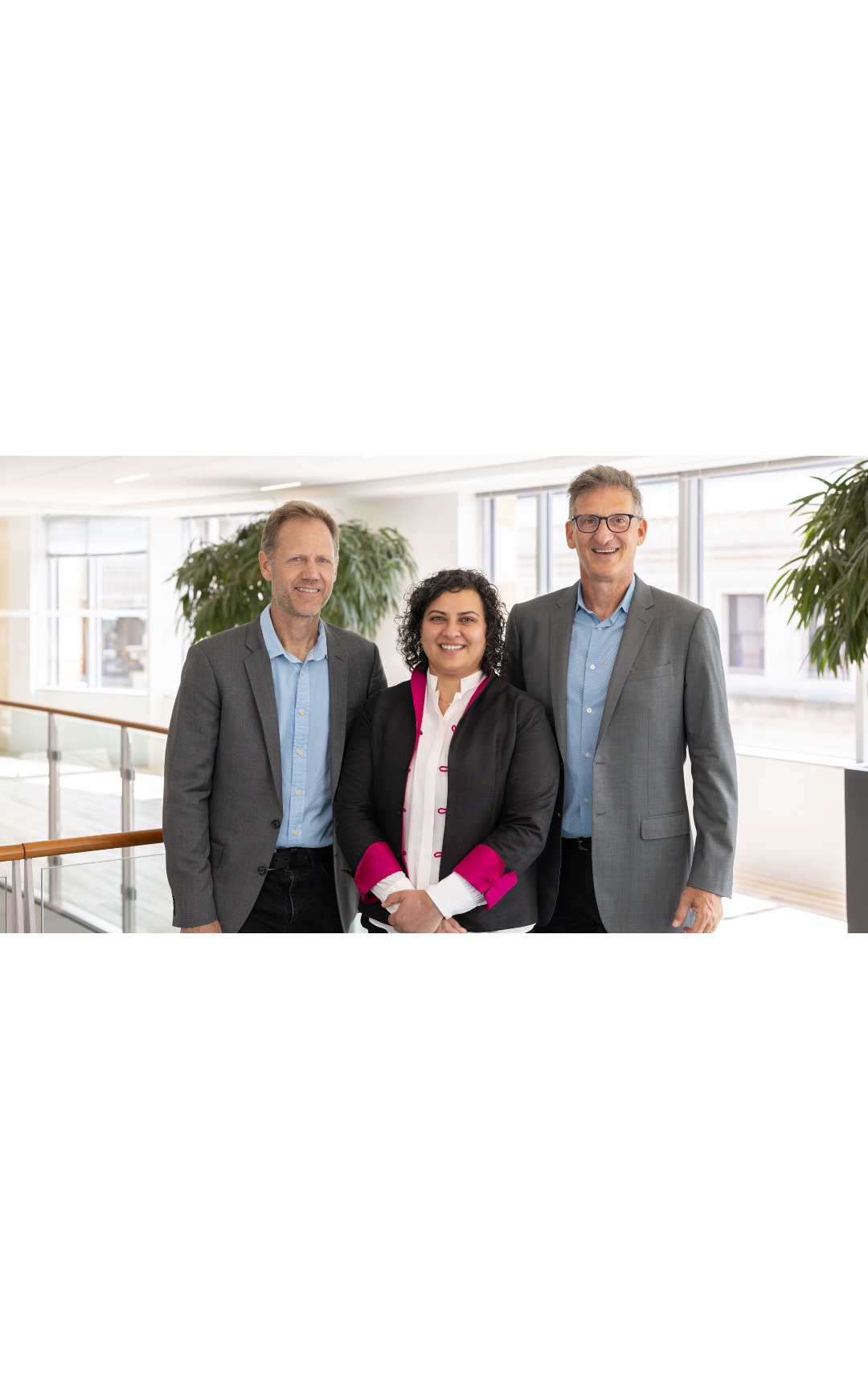
That position distinguishes the firm from a generalist investor assessing another enterprise software opportunity. Its team brings labor-rights experience to questions about product design and adoption. Viederman previously led Verité for fifteen years. Marcum spent more than a decade at Humanity United. Managing partner Paarul Dudeja adds commercial and impact investment experience.
The useful question for a founder is concrete: which business decision improves when your product works, and which workers benefit? A compelling dashboard still needs a buyer with authority, budget and a reason to use it.
The connections matter as much as the cheque. The fund’s backers include corporate and philanthropic organizations, bringing different reasons to care about the same supply chain. Its partnership approach includes introductions and exchanges with potential adopters. That can help a young company learn whether its technology fits an actual workflow before mistaking an encouraging meeting for a market.
Three exits, three routes into the mainstream
In 2024, three portfolio companies found larger homes. Sphera acquired SupplyShift in January. Exiger acquired Versed AI in July. EcoVadis acquired Ulula in September. Each transaction put a specialist capability inside a broader business platform.
- SupplyShift→ Sphera
- Versed AI→ Exiger
- Ulula→ EcoVadis
SupplyShift brought supplier mapping, scoring and traceability. Versed AI brought technology for extracting supplier relationships and constructing product-specific networks. Ulula brought recurring worker surveys, grievance systems and analytics. EcoVadis said Ulula’s tools had reached more than four million workers across nearly seventy countries since inception.
Acquisitions show commercial demand for those capabilities. They also create a distribution opportunity: a tool can reach customers through an established platform. Whether that produces better working conditions depends on how customers use the information and whether problems receive remedies.
“We’ve had to be exceedingly patient.”Ed Marcum · Investing in Impact interview
A million people is a beginning
WCF’s 2025 impact report, published in September 2026, offers a picture of scale. It records nineteen active portfolio companies at year-end. Quizrr trained over 1.2 million workers across 6,894 sites in more than fifty countries. Prewave monitored roughly one million suppliers.
The fund combines quantitative measures with qualitative accounts because a training platform and a supply chain intelligence company cannot sensibly share one scorecard. Its report also describes a changing sales environment: as sustainability regulation lost momentum, portfolio companies emphasized sourcing, sales and supplier development more closely.
The practical lesson is to connect the worker benefit to a function the customer already needs. A safety intervention has a stronger route to renewal when it also reduces operational risk. A sourcing tool becomes harder to discard when purchasing teams depend on it.
There is also work between investments. The report describes Viederman helping convene a World Economic Forum-hosted data partnership against forced labor. A pilot focuses on recruitment and hiring in Thailand. The idea is to connect evidence that organizations hold separately so that prevention and remedy become easier. It reflects the fund’s broader view that a promising startup operates inside a system of buyers, governments, civil society groups and workers. Software adoption is one part of changing that system.
The next investment may start in a waste stream
On June 2, 2026, WCF announced an approximately $31 million first close for Fund III. Backers included The Omidyar Group, Soros Economic Development Fund, Minderoo Foundation, SAP and Stardust Equity. SEDF’s $5 million commitment was part of that close.
The next chapter includes AI that helps workers, climate adaptation and human-rights due diligence. It also reaches beyond software. SiTration recovers critical minerals from waste streams and recycled materials. Radical AI develops autonomous materials discovery. Both fit a thesis that follows the sources of worker vulnerability into the energy transition.
For entrepreneurs, WCF offers a specialist investor and connections to potential adopters. For buyers, its portfolio is a place to look for tools that connect sourcing decisions with human consequences. The approach needs reliable data, safe worker participation and customers willing to change purchasing or workplace practices. Without those conditions, visibility can become another report. The useful test is what someone does differently after reading it.