A camera on a windshield seems to have an obvious job: watch the road. In 2015, Waylens proposed a more flattering assignment. Watch the road, certainly, but also remember how splendidly you drove it. Its first Kickstarter promised a camera that mixed video with vehicle data, giving the automotive enthusiast something richer than scenery. The drive could become a small film, with the car supplying its own commentary.
- Driving pleasure: Horizon paired in-car footage with vehicle telemetry.
- Vehicle security: Secure360 watched the car and its surroundings, including while parked.
- Fleet decisions: Today’s Waylens supplies AI cameras, cloud tools and partner integrations for commercial safety.
The campaign drew 1,674 backers and $606,622 against a $55,000 goal. That is a respectable audience for a very particular pleasure. Yet the more interesting number appears eleven years later: 150,000. In 2026, partner InsureVision described that many Waylens cameras in North America as the installed base for a new cloud software rollout. Somewhere along the route, the buyer’s question changed from “How did my drive look?” to “What should we do about it?”
The car was part of the camera
Horizon arrived at retail in 2016 for $499. The package included a camera, an OBD-II connector for vehicle data and a steering-wheel remote. Video could carry readouts such as engine speed and boost. This was a product for the person who regards a satisfying corner as an event worth preserving. The camera’s conical body and unusual screen made it look rather less like a household appliance than most windshield equipment.
Its specialty mattered. A general-purpose action camera could record a drive; Horizon was built around the relationship between the image and the machine producing the journey. That relationship would survive changes in customers and products. A picture shows something. Data helps explain what sort of something it was.
“Camera mount is shaky.”
Andy Chen’s Horizon review, The Gadgeteer, December 2016
There was also the indignity of the physical world. Reviewer Andy Chen praised Horizon’s video and build quality but criticized its shaky mount, high price and tagging remote’s tendency to sleep. A fine image sensor still has to sit steadily on a piece of glass. For anyone building hardware, that review supplies a useful reminder: the accessory can become the experience. It does not establish why Waylens later changed markets.
The thrill gave way to the parked car
In August 2017, Waylens returned to Kickstarter with Secure360. This time, the attraction was security. The camera offered a view around and inside the vehicle, with a cellular version supporting remote access. A parked car had become a place where something might happen while its owner was elsewhere. The camera’s audience was widening from the driver who wanted a souvenir to the owner who wanted to know.
Secure360’s campaign finished with $366,445 from 1,569 backers. Its campaign FAQ listed planned retail prices of $249 for Wi-Fi and $349 for 4G. Those are historical prices, belonging to that product and moment. By 2019, the same basic idea had a business buyer: FleetUp announced that Waylens event footage would appear in its fleet-management interface. Managers could review incidents, coach drivers and pass recordings to insurers.
A clip needs somewhere to go
That integration reveals where Waylens fits today. Its customers include fleet operators and the telematics providers serving them. A provider can add video capabilities to an existing service instead of assembling every camera, AI model and cloud workflow itself. Waylens supplies hardware alongside software and data services. It is a business-to-business offering with several components, rather than one gadget at a checkout.
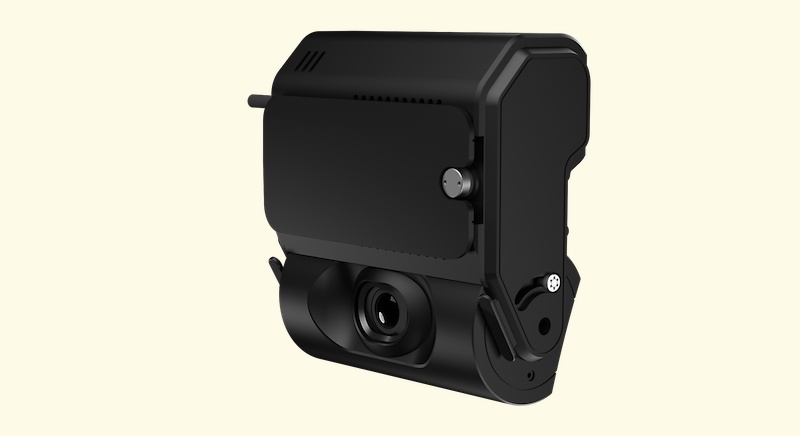
The current catalog includes AIR I and II, AIR III, an auxiliary camera module and a mobile app. Cloud tools organize event video and manage devices. Waylens emphasizes APIs, low-code integration and a MyGeotab connection. Its expertise lies in joining the camera, analysis and delivery system. For a fleet manager already working in another platform, the destination of the footage can matter as much as the lens.
- 01CaptureCamera + vehicle signals
- 02InterpretVideo + risk analysis
- 03DeliverFleet or claims workflow
This is a crowded market. Samsara offers cameras, alerts and coaching; Lytx combines video safety with broader fleet tools. Waylens’s stated distinction is an integration-oriented approach for telematics providers. That is a buying consideration, not an automatic victory. A customer seeking a single broad operating platform may make a different choice from a provider seeking video technology to embed in its own service.
The footage acquires a future tense
Greater Than added another layer. A December 2024 partnership announcement led to a February 2025 platform launch pairing Waylens video with predictive crash-probability insights. Greater Than analyzes GPS driving data across trips. The combination lets managers examine risk beyond an isolated alarming clip and decide which drivers deserve attention. It also gives insurers information intended for underwriting, extending video’s role beyond settling yesterday’s argument.
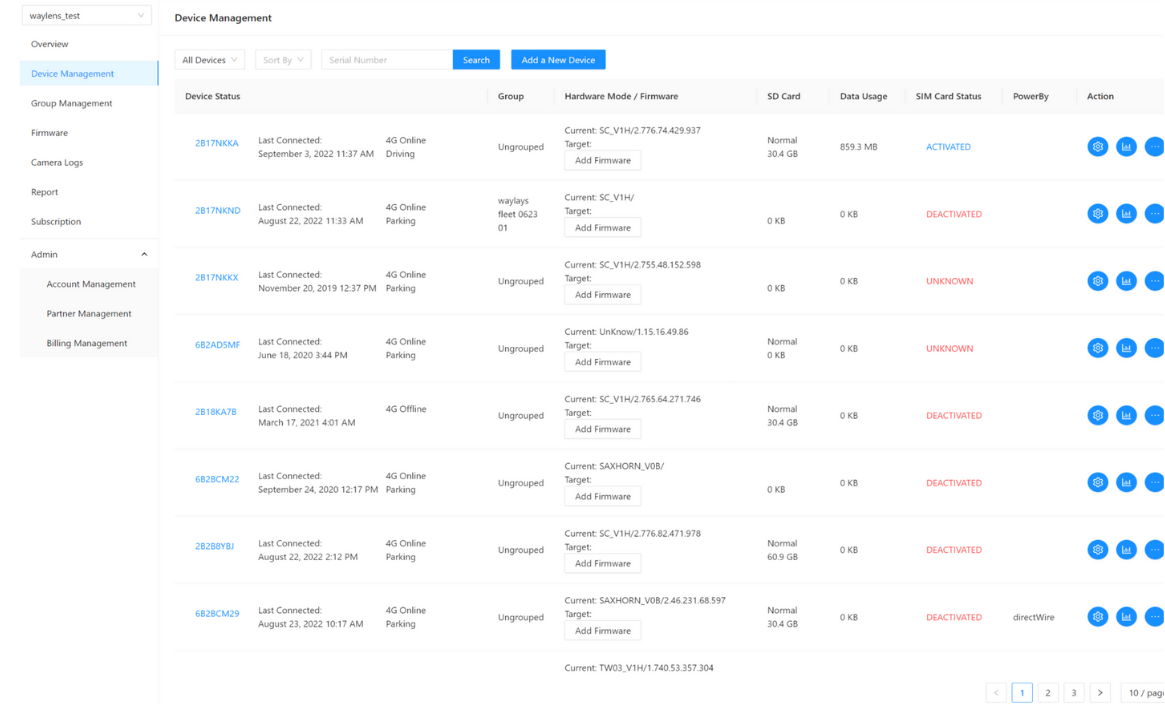
In 2026, Waylens licensed InsureVision’s VisionScore. According to InsureVision, the cloud integration addresses its reported 150,000-camera North American base without new hardware. It analyzes footage for crash confirmation, severity and driver risk. The advertised first-notice-of-loss window is within seven minutes. That is a vendor claim, rather than a promise that every incident will reach every insurer on that schedule.
The decision is the product
The distinction is practical. A violent brake is a motion signal; the scene explains what demanded it. InsureVision says direct video analysis can catch low-speed incidents missed by acceleration thresholds. But useful footage still depends on installation, connectivity and access. Waylens’s app checks wiring, camera placement, firmware and LTE. A fleet also needs someone authorized to act on the result. Otherwise, better observation merely produces a better-organized archive.
The lesson another company can copy is to follow its data to the person facing an expensive decision. Waylens kept finding new uses for the link between image and vehicle information. The enthusiast wanted a memory. The fleet manager wants an explanation. The insurer wants notice and context. The windshield has scarcely changed; the consequences of what happens behind it have become the business.