A design app has an electricity problem. Canva’s customers make invitations, posters and business cards on a screen. Some of those designs become physical objects. Printers turn them into paper, packaging and parcels, using electricity Canva does not buy and equipment Canva does not own. The emissions travel back up the supply chain anyway.
- Watershed connects carbon measurement, sustainability reporting and reduction programs.
- Its Canva project pooled supplier demand to help finance new Illinois solar farms.
- Its software combines climate data, expert support and AI tools; buying it still requires people to act.
A design app with a power problem
This is where corporate climate promises meet the org chart. An executive can announce a target. A sustainability team can calculate a footprint. The person controlling the troublesome electricity bill may work at another company entirely. Asking that person to change is a commercial negotiation, with a climate spreadsheet attached.
Watershed occupies that awkward middle ground. It sells enterprise software for measuring environmental impact, preparing disclosures and planning reductions, alongside expertise and access to clean-power and carbon-removal projects. Its customers include Canva, Airbnb, Spotify, FedEx and Visa. Banks use it for portfolio questions; product businesses use it for materials and suppliers. The common problem is making dispersed data useful to somebody who holds a budget.
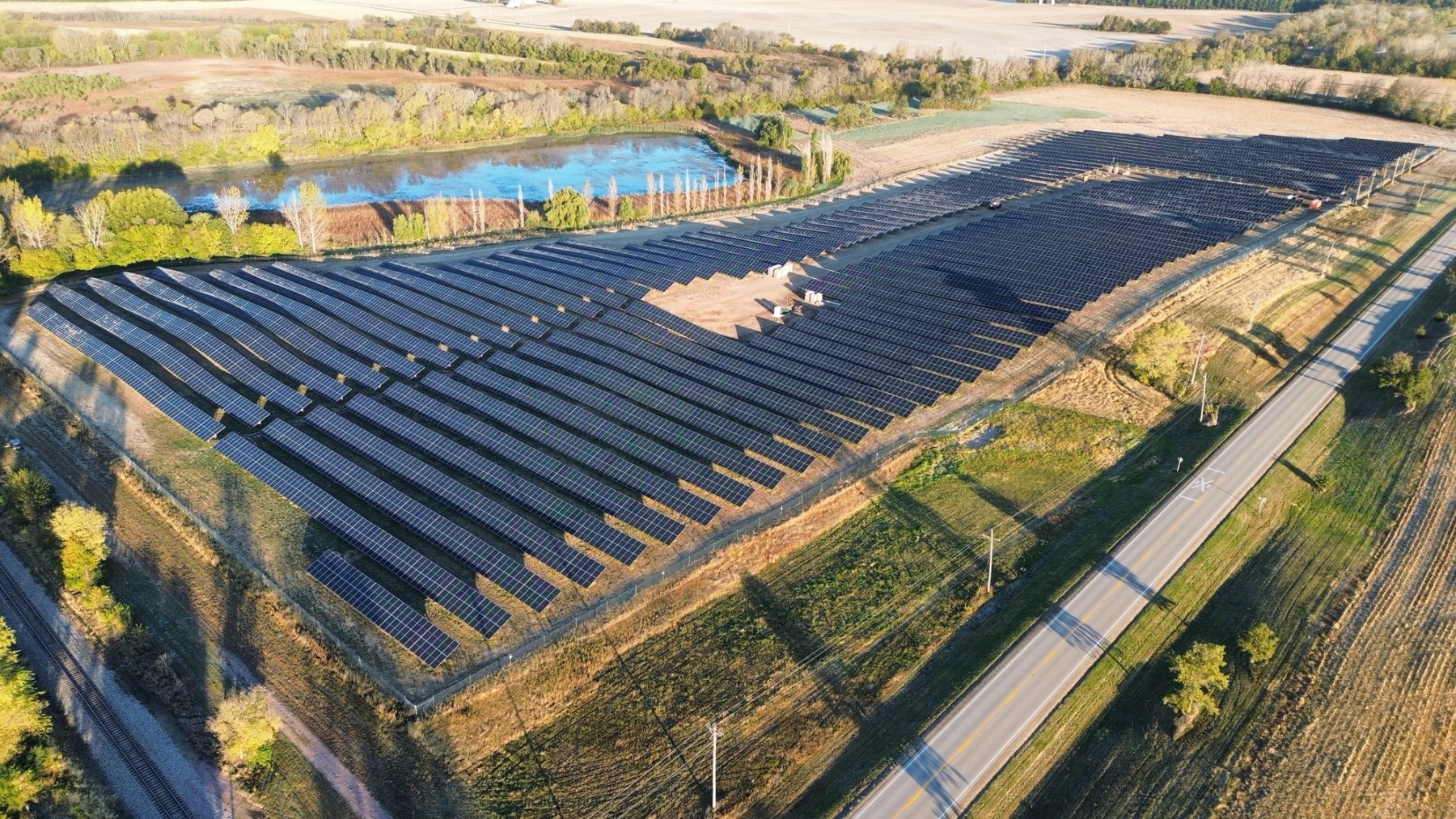
Canva offers a particularly tangible example. According to the companies’ published accounts, they designed a shared clean-power agreement with print suppliers. In March 2026, they reported four Illinois solar projects, each producing 4-5 megawatts, online. A story that began with a digital design platform had acquired an address on the Midwestern grid.
Three colleagues and a whiteboard
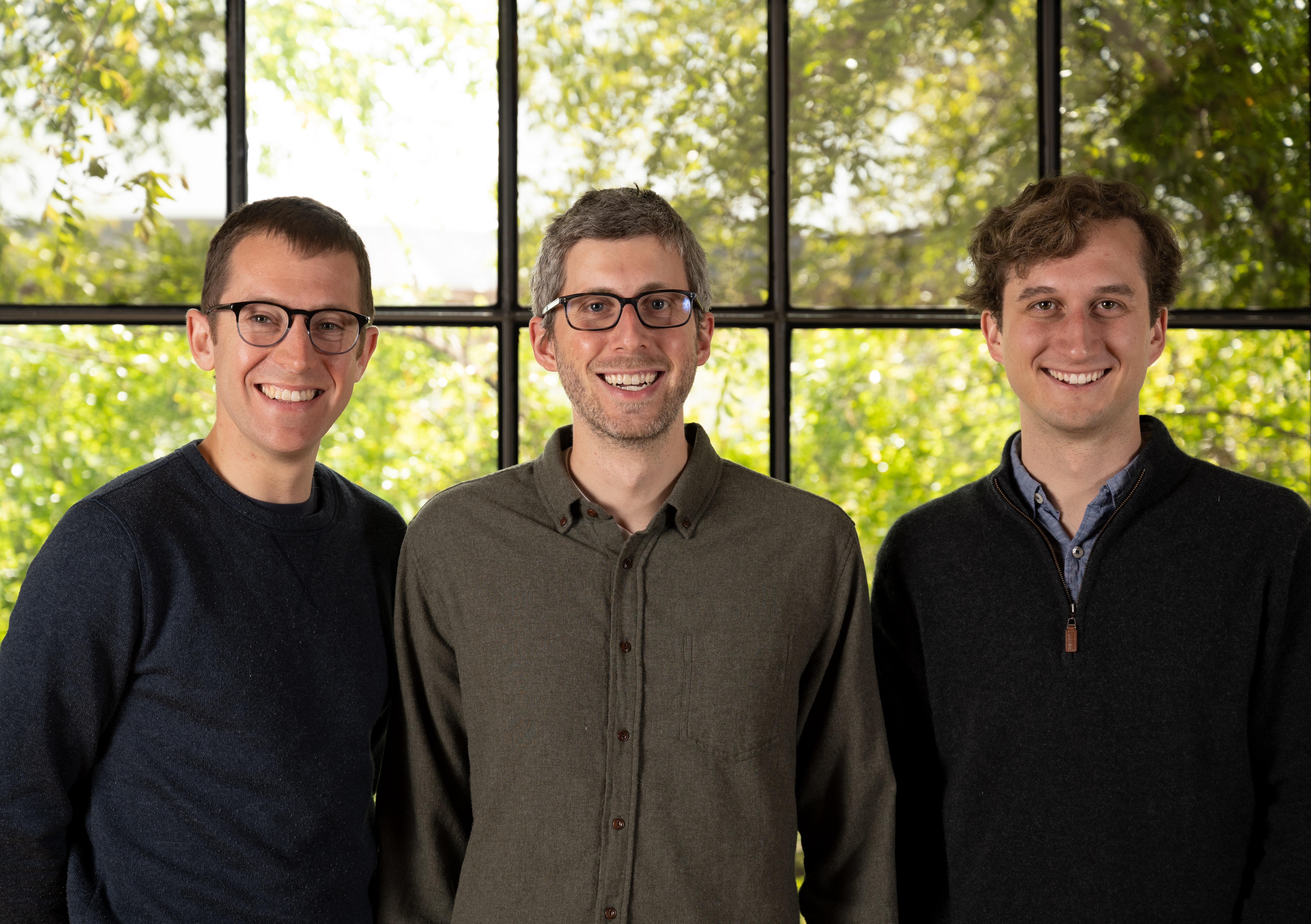
Watershed began in 2019 with three Stripe alumni: Taylor Francis, Christian Anderson and Avi Itskovich. Sequoia’s account places them around a whiteboard in Anderson’s apartment near Buena Vista Park, testing a different climate business idea each day for two weeks. They had chosen the problem before choosing the product.
The early marketplace required persistence beyond writing code. Anderson made more than 15 calls to Sol Systems before it became the first partner. By mid-2020, the company had hired its first two employees and raised a Series A co-led by Sequoia and Kleiner Perkins. The origin has a useful detail: finding a seller willing to participate was part of making the software valuable.
In a 2021 CTVC interview, Francis described the shortcomings of conventional carbon accounting: it took too long, depended on broad averages and lacked supplier visibility. That diagnosis explains Watershed’s shape. A business needs a footprint soon enough to influence a decision, and detailed enough to tell it which decision matters.
The number must survive a question
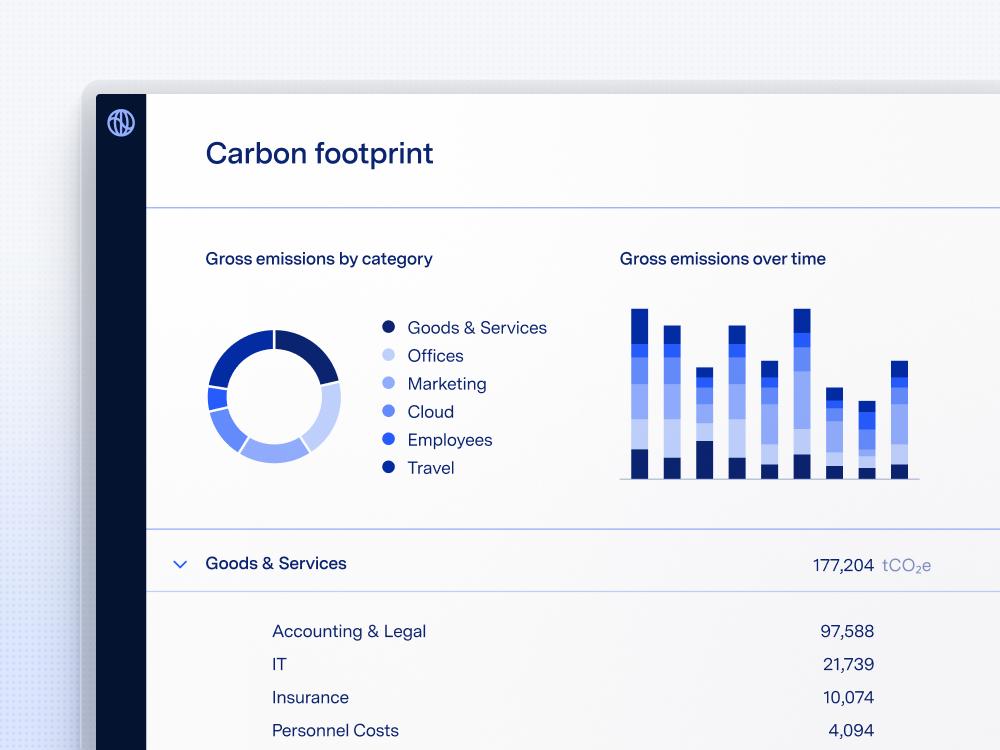
A carbon footprint is a calculation with assumptions. Electricity consumption, purchased materials and travel records must be matched to factors that estimate their environmental impact. The country, production process and year can change the answer. A tidy total can conceal a very untidy chain of reasoning.
Watershed acquired VitalMetrics in April 2023, bringing its CEDA database and founder, scientist Sangwon Suh, into the company. The acquisition added multi-regional carbon data to the software. Suh’s explanation was refreshingly direct: “I felt like we needed to go faster.” A small scientific operation had valuable expertise; a growing software company offered a way to distribute it.
“I felt like we needed to go faster.”
Dr. Sangwon Suh / on joining Watershed, 2023
The platform’s measurement tools show calculation lineage, so reviewers can work backward from a result. Its reporting tools reuse data across disclosures, with review workflows and drafting assistance. Water and other environmental metrics sit alongside carbon. In August 2025, the Cornerstone initiative extended the data story beyond paying customers, preserving open access to Open CEDA and USEEIO with Stanford’s Sustainable Solutions Lab; the collaboration also includes ERG.
YETI’s 2023 ESG report illustrates why improving measurement matters. It said that better primary data allowed more than 78% of its footprint to move away from a spend-based approach. More detail also expanded what its scope 3 inventory covered. Better accounting can change the baseline against which a company judges itself. An apparently disappointing number may be a more useful one.
Buying together changes the arithmetic
The Canva arrangement addressed a purchasing obstacle. Traditional virtual power purchase agreements can demand large commitments, long contracts and elaborate negotiations. A smaller printer may want cleaner electricity without having the scale or appetite to structure such a deal.
Watershed and Canva aggregated suppliers and developed a fixed-price agreement with an initial five-to-seven-year commitment. The announced participants included RPI Print, Taylor, Blooming Color, Brook & Whittle and Digital on Demand. Grouping their demand made participation more practical; Watershed handled sourcing and negotiations. The 2026 update names Morgan Stanley’s Environmental Commodities team and developer GreenKey Solar in the structure.
The projects generate electricity and renewable energy certificates. Suppliers use those certificates in their electricity accounting, and the supplier change flows into Canva’s scope 3 accounting. This is a contractual and accounting relationship with a grid-connected project; it does not imply a private wire from an Illinois solar farm to every printer.
The published case projected roughly 15,000 tonnes of avoided CO2 annually at full capacity. Its exact purchasing price was not published in those announcements. What the suppliers committed was easier to see: years of contracted demand, cooperation and a shared buying structure. The lesson concerns the terms of a purchase as much as the carbon total.
New clean-energy investment driven by Watershed customers, across more than 270 projects in six countries. Investment mobilized is a different measure from tonnes reduced.
The machines meet the utility bill
Carbon accounting has an expensive appetite for administrative time. Somebody must extract a bill, reconcile a unit and investigate a suspicious jump. Watershed’s April 2026 agents launch targeted that work. The company reported an 80% reduction in time to actionable data across test customers. That is a reported trial outcome, rather than a promise about every future deployment.
June’s additions included utility-spend analysis and editing product footprints across portfolios. Users could examine emissions and spending together, or model a material change before applying it across products. The appeal is concrete: a sustainability team can arrive at a budget discussion with an estimate of both money and carbon.
September brought collaborative agents, shared company context, custom skills and workflows. Watershed also previewed Energy Management, already in use with early customers, with general availability planned for 2027. The announcement describes comparing equipment upgrades, retrofits and solar opportunities. It also recounts a manufacturing plant’s potential energy-capacity constraint. At that point, energy planning becomes a question about how much a business can produce.
Who signs, who pays, who checks
Watershed’s business is subscription software, supporting services and separately contracted decarbonization purchases. A buyer can request a demo or explore self-guided tours. The relevant budget includes the platform, the people preparing data, assurance work and whatever reduction projects the business chooses.
Its Guaranteed Assurance program makes those dependencies explicit. Eligible customers must use standard methodologies and purchase verification support. Under the published conditions, a failure to pass assurance within nine months triggers a following-year subscription fee waiver capped at $250,000. Inaccurate or incomplete customer data and failure to engage in corrections are excluded. The cap is a guarantee limit, not a price list.
Alternatives include Persefoni, Sweep, Sphera, Salesforce and Workiva, as well as consultants and internal systems. Watershed’s particular proposition is the combination of measurement data, software, expert assistance and purchasing mechanisms. Buyers should compare how those pieces handle their own supplier records and reporting needs. A ranking cannot answer an implementation question.
Capital has supported that breadth: a $70 million Series B in 2022 was followed by a $100 million Series C, led by Greenoaks, in February 2024. The latter valued the company at $1.8 billion at the time. Its published operating principles emphasize customer focus, hard prioritization and ownership. Those are statements of intent; the more revealing test is what a customer manages to change.
Copy the decision, not the dashboard
The practical move is to begin with one large emissions source and follow it to the person who can alter it. Gather data specific enough to compare options. Put the cost, commitment and expected reduction in the same proposal. If a supplier is too small to buy effectively alone, consider whether demand can be pooled.
This depends on willing partners, credible projects and a business able to make commitments. Complete data and human review matter too. Software can organize a negotiation; it cannot make an unwilling supplier sign. The Canva example is useful because it exposes the machinery: people, contracts, financing and electricity. A carbon ledger becomes valuable when somebody uses it to buy differently.
Follow the work
Explore Watershed, its product tours and agents video. Read Canva’s solar update, the September product announcement and Watershed’s blog. Find the company on LinkedIn, X and GitHub, or hear Taylor Francis on Watt It Takes.