The revealing detail in WADIC’s customer list is an electronics retailer moving from QuickBooks. Sound Decision wanted better internal management; the work described in Odoo’s partner directory included inventory, point of sale, and a help desk. Accounting was part of a larger operational question. What happens when the sale, the stockroom, and the person answering the customer’s question need to describe the same transaction?
- WADIC builds custom applications and connects business systems.
- Its Odoo work gives that broad promise a concrete shape: orders, stock, accounting, and support.
- Buyers can hire implementation expertise or a team of engineers, testers, and DevOps specialists.
- The best starting point is a specific task that takes too long or passes through too many hands.
Business software has a peculiar social habit. Each application behaves as though it is the host of the party. The accounting package knows the money. The warehouse knows the goods. Customer support knows the complaint. Agreement requires introductions, and introductions require work. WADIC sells that work, alongside the applications themselves.
Its name is expanded in Odoo’s exhibitor listing as Web Applications & Data Integration Company. The second half is a useful clue. A website can be admired in a meeting. Data integration earns its keep later, when somebody needs the order to reach the right place without being typed again.
A repair shop is a better explanation than a slogan
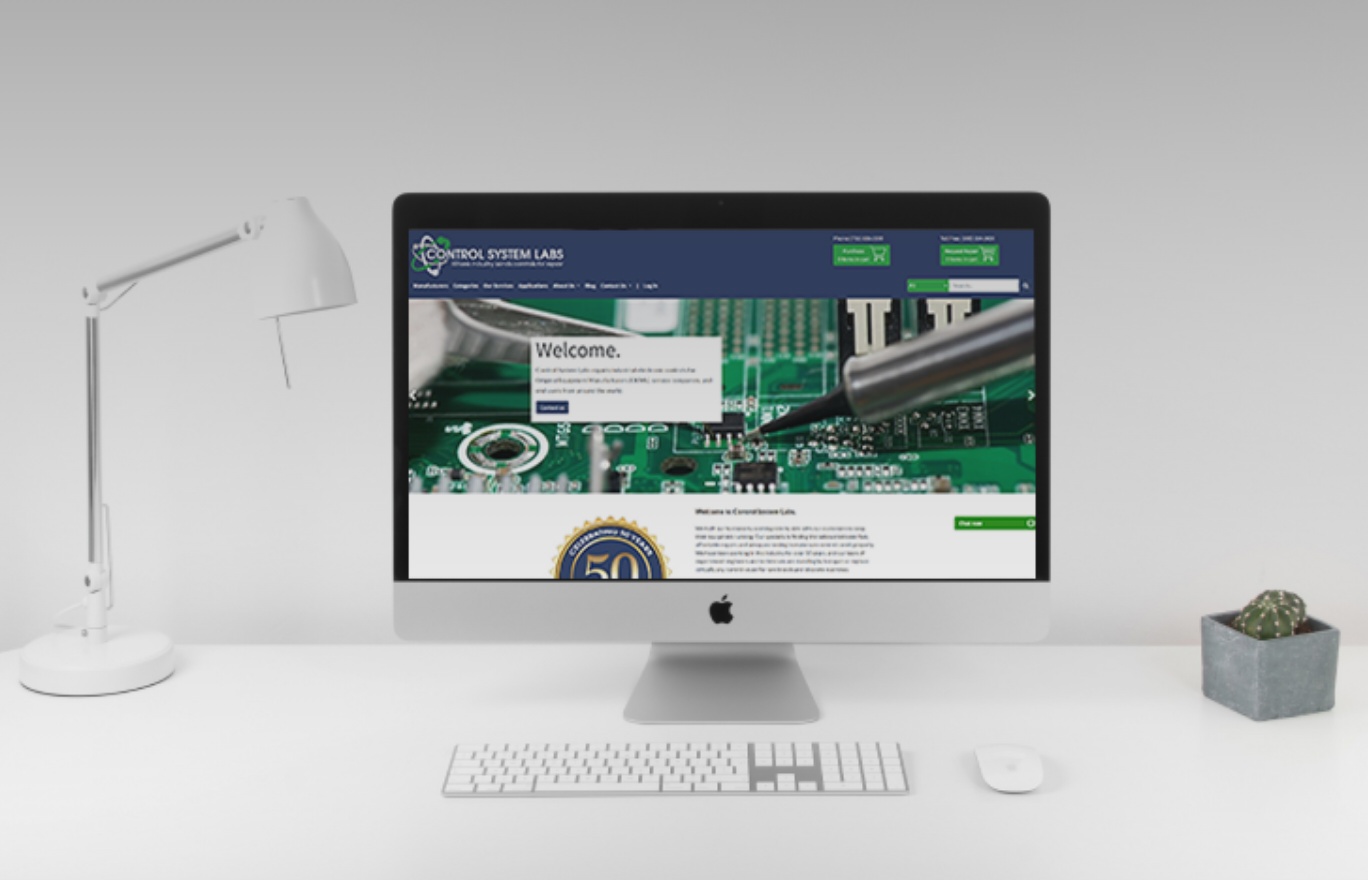
Consider Control System Labs, an industrial electronics repair business. On its Odoo services site, WADIC describes implementing an ERP to manage orders, operations, and inventory. The project’s stated scope tells us something more useful than a sweeping promise about digital transformation: the customer needed software around the movement of work.
The same site describes an internal ERP for Birch Tree Promotions covering customer relationships, online promotions, inventory, and accounting. For MedInfo, the scope included an ecommerce website and an internal employee portal. These are different businesses, with different things to sell and different people to serve. Their common problem is coordination.
Hill Country Telephone Cooperative supplies another concrete example. The official Odoo reference describes work spanning material ordering, inventory, order fulfillment, and manufacturing or project management. It is a reminder that enterprise software customers need not resemble a fashionable technology startup. Materials still have to be ordered. Someone still has to know where they are.
Read together, these examples suggest WADIC’s market position: a software services business for organizations whose work crosses departmental boundaries. That is an interpretation of the project scopes, rather than a claim that the company has invented a new category. The appeal is practical. A buyer can bring a problem involving several systems to one development and implementation provider.
One order, several conversations
WADIC’s ERP and CRM offering starts with assessing existing systems, moves through configuration and integration, and includes maintenance and user training. ERP organizes business resources and processes; CRM organizes customer relationships. Combining them is meant to let departments work from consistent information.
The same transaction should survive every change of desk.
That map is deliberately ordinary. A useful implementation brief might follow one order from first request to final payment, then identify every point where someone copies information, asks for clarification, or repairs a mistake. The resulting list is much easier to test than a request to “modernize everything.” This is a method a reader can copy before speaking to any supplier.
WADIC also offers workflow assessment, automation, and ongoing maintenance. The proposed sequence matters: inspect the process before building the automation. Otherwise a company can make an awkward procedure run faster while preserving every awkward decision inside it. A faster queue is still a queue.
The team is part of the product
A company buying this work is buying people as well as code. WADIC’s Engineering as a Service offering brings together software engineers, QA testers, and DevOps specialists who work within the client’s workflow. Discovery sessions establish goals, systems, budget, and delivery priorities; development then proceeds in incremental cycles.
“Partnering with us is like having your own team of developers.”
Asim Meesaq Zaidi, speaking to CIOReview in 2018
That historical description helps explain the business model. WADIC earns its place through development, implementation, consulting, and continued technical work. A customer can commission an application, customize an existing platform, or add engineering capacity. Each route requires a scope of work and a working relationship; each places different demands on the buyer.
The distinction from buying a packaged application is consequential. A software license gives permission to use a product. Implementation establishes how that product will handle this company’s roles, records, and exceptions. Custom development can address requirements beyond configuration. The costs to compare therefore include setup, integration, migration, training, and maintenance alongside licensing. This is a purchasing framework, not a WADIC price quote.
For a buyer, the sensible next step is a written estimate tied to a defined workflow. Ask what is included, what counts as a change, and who takes responsibility after launch. Ask which functions use standard software and which require custom code. Those questions turn a broad services menu into a decision someone can approve.
The unglamorous work after the demo
WADIC’s development offering includes native and cross-platform mobile applications, from design and integration through deployment. Its PHP offering includes both existing-code takeovers and projects built from scratch. That matters for businesses carrying an application they still need, even when its original development arrangement no longer suits them.
Delivery also needs a route into production. WADIC’s DevOps services cover infrastructure, configuration, code integration, and automation. Its testing services include API, integration, system, and acceptance testing. These disciplines address different questions: can the change be released, can the parts work together, and can the user complete the task?
Here is where the buyer’s involvement becomes unavoidable. Someone inside the business must decide which behavior is correct. Developers can implement a rule; they cannot settle every dispute between sales, operations, and finance by writing more code. A project with accessible decision-makers and a clear process owner has a more useful foundation than one whose requirements change with every meeting.
AI enters through the same door
WADIC’s current AI services include custom machine learning models, natural language processing, computer vision, and business intelligence. Its described process begins with reviewing systems and available data, then proceeds to development and continuing monitoring. The service menu has widened; integration remains central to the proposition.
Its presence among the exhibitors at Odoo Connect 2025 also puts the company inside a recognizable implementation market. WADIC’s event post emphasized AI, automation, and integrations. Other exhibitors included established Odoo service providers, so buyers have alternatives and can compare partners around their actual requirements.
That comparison should begin with an outcome. Count the minutes a task takes, the errors somebody corrects, or the time an order spends waiting. Decide who will judge the result. These are editorial recommendations, but they echo WADIC’s recent writing about automation inside existing business platforms. A model becomes useful when it changes a piece of work people can recognize.
There are sensible limits to this approach. If an off-the-shelf application already handles the process comfortably, custom development adds obligations that may buy little. If records are inconsistent or nobody owns the workflow, integration needs organizational decisions alongside engineering. WADIC is most interesting where there is a specific gap to close: an order stranded between departments, an application that needs extending, or a team that needs help delivering. Begin there. The grand strategy can wait until the invoice agrees with the stockroom.
Company website ↗ · Odoo services ↗ · LinkedIn ↗ · X ↗ · Facebook ↗ · Company YouTube channel ↗