During lockdown in 2020, Holly Fowler was watching Love on the Spectrum - the reality series that follows neurodivergent people through the awkward, hopeful business of dating - when she noticed something missing. The people on screen were charming, funny and ready to connect. What they did not have was a place built for them to actually do it. Every mainstream app they might download was tuned for speed, small talk and split-second judgement: the exact conditions many neurodivergent people find hardest. So Fowler, who has ADHD and a background in marketing and radio, started building one herself.
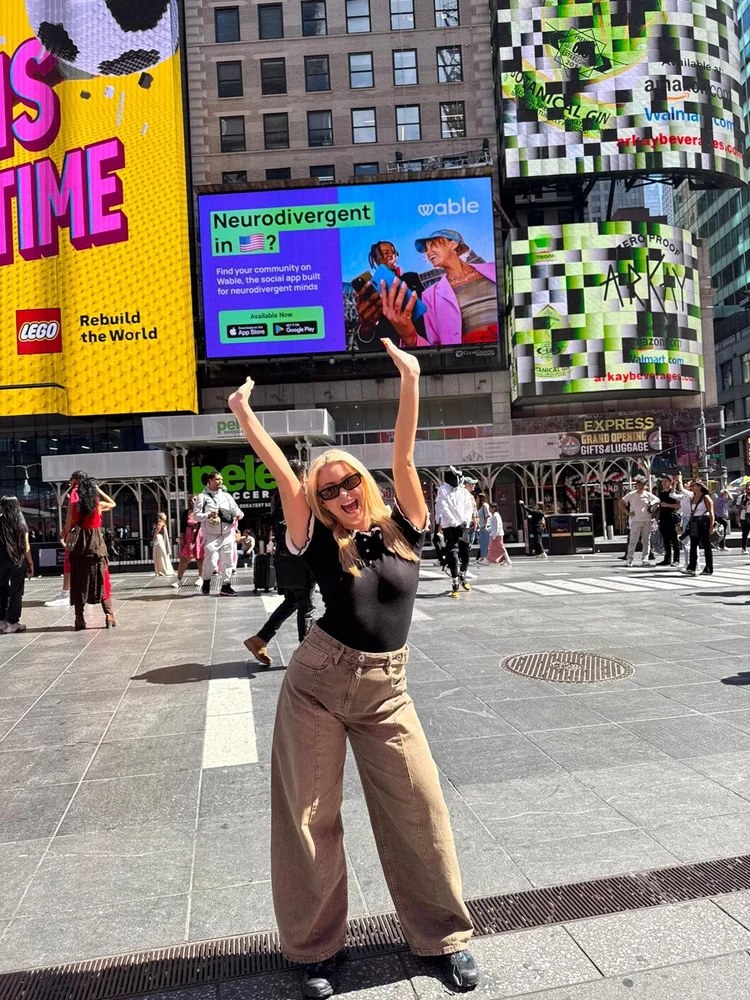
The result is Wable, a Melbourne-built social app for neurodivergent people that launched in late February 2024. Its tagline - “Designed for difference, built for belonging” - doubles as its product brief. Wable is a dating app, but it is also a friendship app and a jobs board, bundling the three things that isolation tends to take away. In 2025 it raised A$1.5 million, expanded into the US and UK, and put its logo on a billboard in Times Square.
01 / The ideaThe gap nobody was building for
Fowler's read on the market was blunt: “There aren't enough safe spaces for neurodivergent people to find one another.” The mainstream platforms were not hostile so much as indifferent - designed around a neurotypical default, then left to everyone else to adapt to. For a slice of the population estimated at roughly 15 to 20 percent, that meant every match came with a tax: sensory overload, ambiguous messaging, and the pressure to perform a version of small talk that never felt natural.
The neurodivergent community experiences higher rates of loneliness and unemployment, and has been overlooked.Holly Fowler, Founder & CEO
That last word - overlooked - is the whole thesis. Where most founders are told to widen the funnel, Fowler narrowed it on purpose. Wable is not a general app with an accessibility mode bolted on. It is built, from the first screen, for one community and their hardest moments rather than their average ones. The bet is that a group large enough to number in the hundreds of millions worldwide, and underserved enough to have no obvious home, is a market and not a footnote.
02 / The buildTwo years of 3am code
The origin story is less garage, more graveyard shift. “I worked on Wable in the middle of the night for two years with no help, wondering how I was going to keep going,” Fowler has said. She credits the same trait that made the slog possible: an ADHD tendency to become, in her words, obsessed with the ideas she cares about. “When something means so much to you, it's easier to see things through and weather the storms.”
One early decision shaped everything after it: build with the community, not just for it. Fowler reached out to Michael Theo, one of the breakout figures from Love on the Spectrum, whose candour about dating as an autistic person she had admired. Theo - and his mum, who called Wable “a brilliant idea” - helped develop ideas for the app before he became its official ambassador, coaching other users on becoming what he calls “A+ partners.”
03 / The productRedesigning the swipe around the pause
Open Wable and the familiar dating-app grammar is there - profiles, photos, likes, mutual matches, filters. Look closer and almost every interaction has been re-tuned. You set your connection preference up front: a date, a friendship, or just a connection, so nobody is guessing intentions. You customise sensory settings and colour schemes so the interface itself does not overwhelm. And when the conversation starts, the app does not leave you staring at a blank box.
What's in the box
The jobs board is the tell that Wable is thinking bigger than romance. Loneliness and unemployment are, for many neurodivergent people, versions of the same problem - being screened out by systems built for someone else. Putting dating, friendship and work inside one app treats connection as a single funnel rather than three separate products, which is both an unusual design choice and a reason a user might stay long after they have found a match.
04 / The communityWho is actually on it
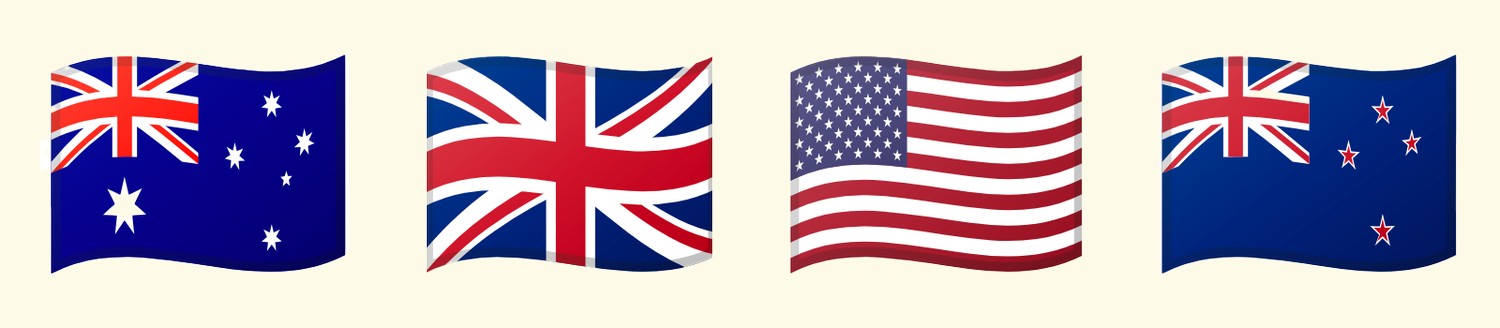
Wable's users are neurodivergent adults - autistic, ADHD, and others - who want the same things everyone else wants and have been quietly badly served in getting them. Since launch, thousands of people across Australia and New Zealand have joined, and the app now reaches the UK and US as well. The tone the community sets is telling: one early user wrote that they loved “that this tool exists” and singled out how “inclusive and easily accessible” it felt, which is the sort of review a mainstream app rarely earns.
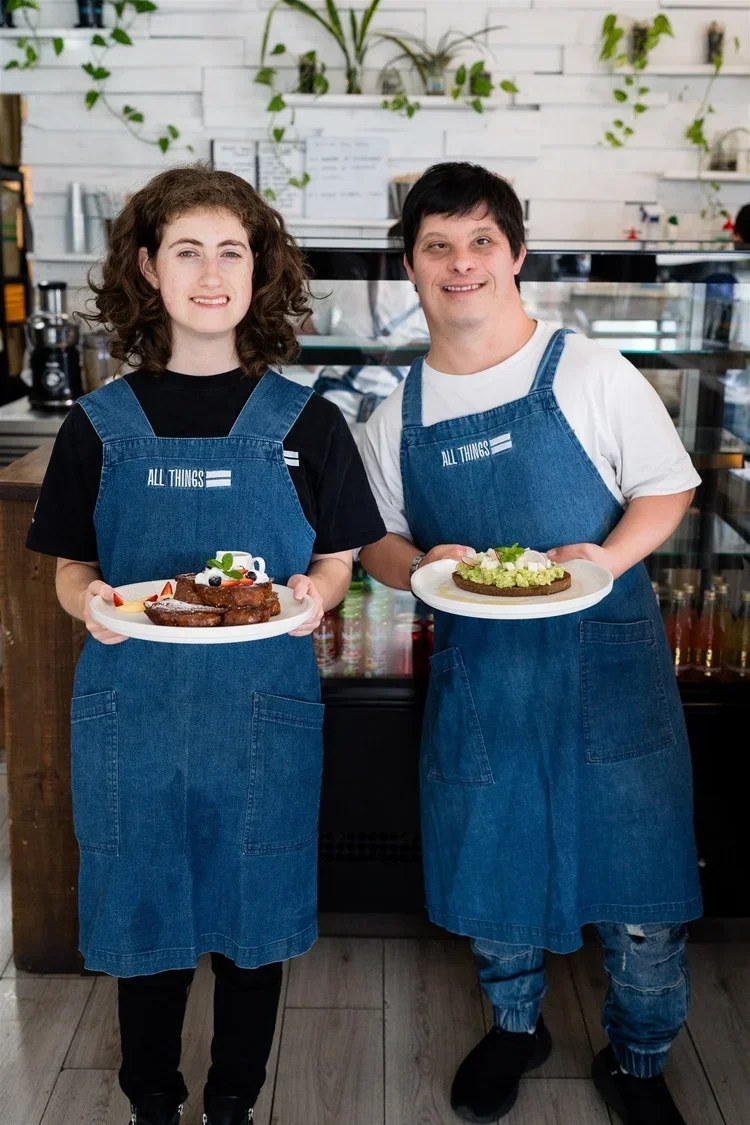
Fowler has been deliberate about not just marketing to that community but staffing from it. Wable employs neurodivergent people across its departments, and its ambassadors are drawn from the same world as its users - not celebrity endorsers parachuted in, but people who have lived the exact friction the app is trying to smooth. Michael Theo helped build it. Aesha Scott, the television personality, joined to widen its reach. The effect is a product that reads less like a startup pitch and more like something made by the people it is for.
05 / The marketWhere Wable fits
On the shelf next to Tinder, Bumble and Hinge, Wable looks tiny. But it is not really competing on their axis. The giants optimise for volume and velocity - more profiles, faster decisions, bigger top-of-funnel. Wable optimises for safety and comprehension, and picks an audience the incumbents treat as an edge case. The closest direct comparisons are other niche efforts such as Hiki, an app for autistic dating; the broader field of general-purpose apps mostly serves as the status quo Wable is arguing against.
The 18-month map
Bars show order of market entry, earliest to latest
06 / The businessFree to join, premium to unlock
Wable is free to download on iOS and Android, with a premium subscription unlocking additional features - the standard freemium shape of a consumer social app. The 2025 round, worth A$1.5 million (about US$970,000), was led by Paul Sharbanee, executive director of Perth advisory and stockbroking firm Taurus Capital. The money is earmarked for a bigger team, targeted marketing, and new product features as the community grows.
There are honest open questions. A single-community app has a ceiling that a general one does not, and freemium revenue from a mission-first audience is unproven at scale. Growth depends on density - a dating app only works if enough of the right people are nearby - which makes each new country a cold start. Fowler's answer so far has been to keep the mission literal: Wable employs neurodivergent people across the company, and hires from the community it serves.
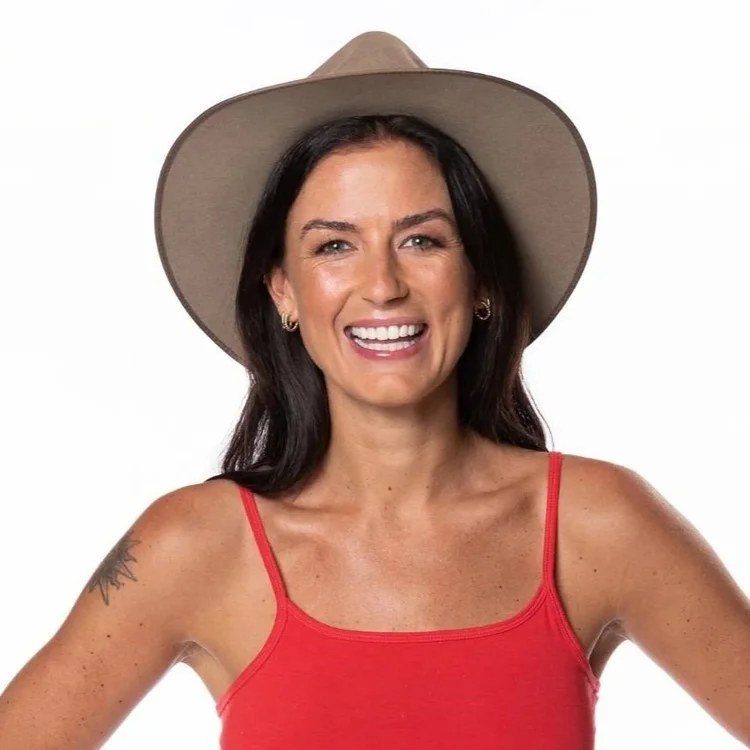
Recognition has followed. Fowler was named to the Forbes 30 Under 30 list in 2025, and Wable is regularly described as the world's first social app built specifically for neurodivergent connection. Whether it becomes a lasting fixture or a proof of concept for a bigger idea, it has already demonstrated something useful: that a market everyone else stepped over was there all along, and that the fix was less about new technology than about who you decide to design for.
Empathy is potentially your greatest tool as a leader.Holly Fowler