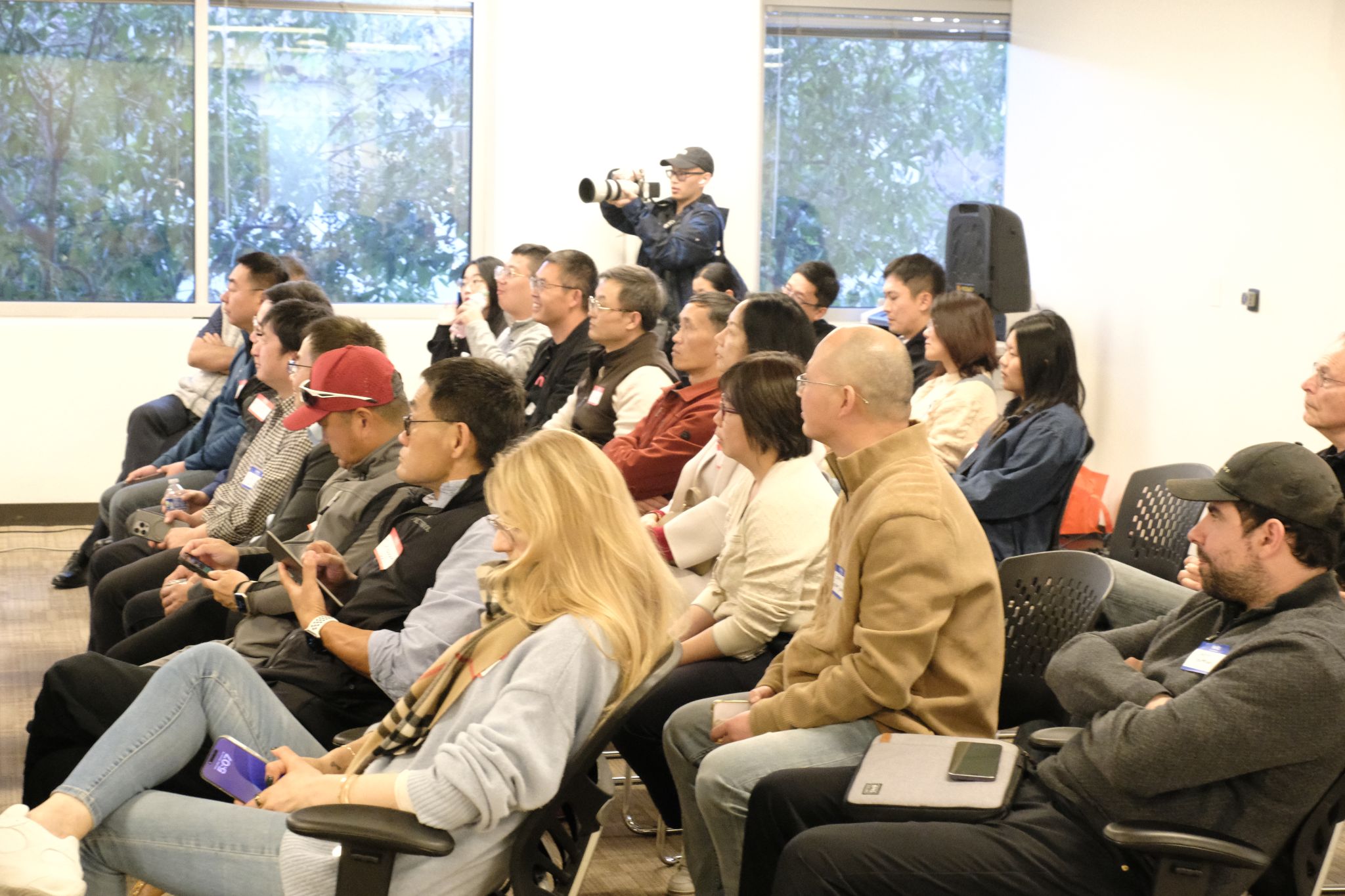
Eight teams were on the program. Their projects included a cybersecurity tool, a semiconductor-packaging agent and something called Portfolio Intelligence Lab. The setting was Valkyrie Fund’s Santa Clara incubator; the occasion, a June 2026 student demo day. The question on the invitation was wonderfully troublesome: how much company could one person build with AI?
- Early-stage capital, with an incubator focused on AI infrastructure and blockchain.
- Coaching covers customer demand, fundraising preparation and founder leadership.
- A wider portfolio includes batteries, computing, space and financial infrastructure.
The event listing made room for rough edges. Projects ranged from early concepts to functional prototypes. Eight selected teams would show what they had built with agents, local and cloud AI, and automated workflows. Market-ready polish was not the admission ticket. For a reader trying to understand Valkyrie, that is a useful place to begin: with work still visibly in progress.
Eight teams, one stubborn question
The showcase was organized by DECIL, the Digital Economy Collaboration Innovation Lab, with Valkyrie Fund, AMD, AMD University Program and CASPA AI Lab named as partners. It took place on June 27, 2026. The announced projects were specific enough to puncture the usual fog around AI entrepreneurship: packaging chips, handling applications, organizing investment information.
The interesting issue is the distance between demonstrating a workflow and selling a business. An agent may complete a task. A founder still has to establish who needs that task completed, how reliably it must work, and why anyone would pay. That is our reading of the showcase’s significance. A prototype makes those questions easier to ask because there is finally something concrete to inspect.
“What can one person build with the capabilities of an entire team?”
The question on the demo-day invitation
The unglamorous work has an address
Valkyrie’s incubator sits across from the Santa Clara Convention Center. Its published coaching offer groups the work into three areas: strategy and market fit; growth and capital readiness; founder resilience and leadership. A founder can use it to refine a product idea, examine demand, prepare investor conversations and work on the habits required to lead.
That last item deserves a pause. Burnout appears in the firm’s own description of its leadership coaching. Including it alongside customer segments and go-to-market plans makes a practical point: the person making the decisions is part of the operating system. Technical judgment and exhausted judgment do not necessarily produce the same company.
Coaching, workspace and investment therefore belong to a connected proposition. The intended users are early-stage founders, particularly those working in blockchain and AI infrastructure. For someone with an interesting technical result and an uncertain route to customers, the appeal is access to people who can interrogate both sides of that problem.
Follow the bottlenecks
The portfolio complicates any easy description of Valkyrie as an AI fund. Its website also lists Feon Energy, TransAstra, MPCVault, Integral AI and Ferveret. Batteries, space logistics and financial infrastructure sit beside computing. The firm’s own publication describes an interest in deep tech and sustainability as well as the capital appreciation these investments might produce.
One way to read that range is as attention to bottlenecks. New software still depends on computing resources. Electrification depends on better physical components. That is an editorial interpretation of the portfolio, rather than a claim that every investment follows one formula. It helps explain why a company builder might want technical specialists within reach.
An editorial reading of the coaching offer.
There are concrete investment relationships beneath the sector labels. In May 2024, Valkyrie described itself as an early investor in Chemix and Feon’s first investor. Its announcement celebrated Chemix’s $20 million Series A and Feon’s $6.1 million first priced round. Those were portfolio-company financings. They were not amounts Valkyrie said it had invested.
DeAgentAI subsequently announced strategic backing from Valkyrie in August 2025. The connection places the firm at the intersection of AI agents and blockchain infrastructure. Here, too, the relationship is more informative than a large headline number: cumulative project fundraising tells you something different from the size of one investor’s check.
Two sides of the capital table
Valkyrie also raises money for its own investment vehicles. A February 2025 Form D for Valkyrie Fund II LP reported $3.5 million sold toward a $50 million offering, with 14 investors. These are dated filing figures. The offering amount describes an ambition; the sold amount describes that snapshot. Neither should be casually relabeled current assets under management.
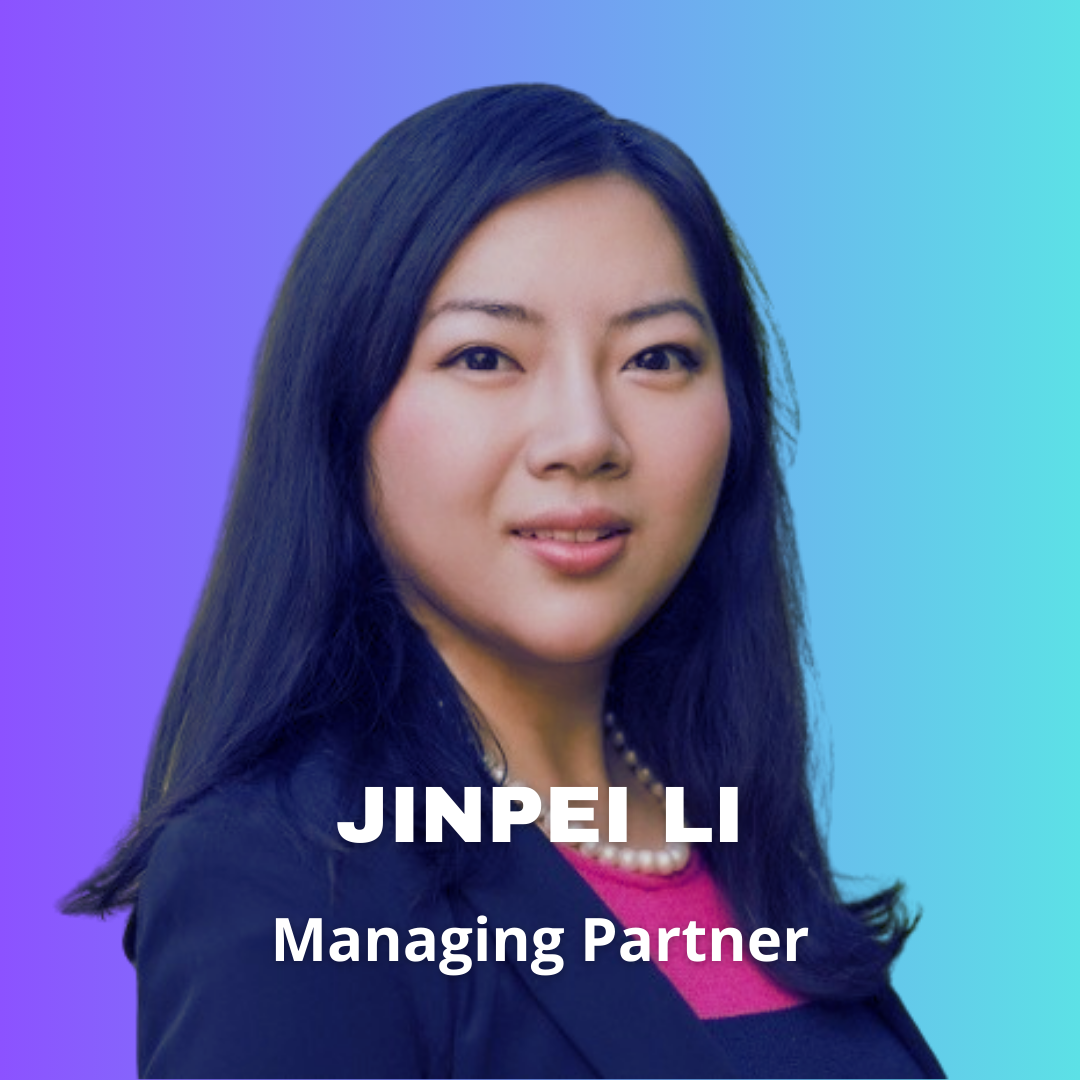
Founder and managing partner Jinpei Li brings engineering and cross-border investment experience. Her biography lists electrical-engineering study at USC and an MBA from Berkeley. Victor Suen’s background includes investment management, financial reporting and audit. Principal Clarice Qiu’s includes capital-project management and early-stage fundraising. The mix gives the firm several ways to examine a technical venture.
For founders comparing options, Y Combinator offers a structured startup accelerator, while HAX emphasizes hard-tech investing and engineering support. Valkyrie’s visible proposition combines a local incubator, frontier-technology investing and founder coaching. Its business seeks investment appreciation; its practical usefulness depends on whether the founder’s questions match the team’s experience.
Borrow the sequence
There is an accessible way to examine that experience: listen. Valkyrie’s podcast has featured exaBITS co-founder Hoansoo Lee discussing decentralized computing and Integral AI co-founder Jad Tarifi discussing AI and robotics. These conversations give prospective founders a sense of the technical problems that interest the firm before they approach it.
The lesson to borrow is modest. Bring a customer assumption that can be challenged. Build something another person can inspect. Prepare to explain the business around it. This approach needs honest feedback and room to revise; it cannot establish demand by itself. A software demo also leaves hardware manufacturing questions unanswered. Start there, with a smaller claim and something real on the table.