In the summer of 2015, three founders had a hotel app, a dwindling bank balance and an awkward discovery: the product mattered more to them than to its intended users. MobileSuites had consumed eighteen months. User Interviews would grow from the corrective habit they adopted afterward: speak to potential customers before falling in love with an idea.
- Recruit finds people outside your customer base; Research Hub organizes the people already in it.
- The platform handles screening, scheduling and payment logistics.
- Recruiting fees and participant incentives are separate expenses.
- Now part of Auros, its human network also serves AI training and evaluation.
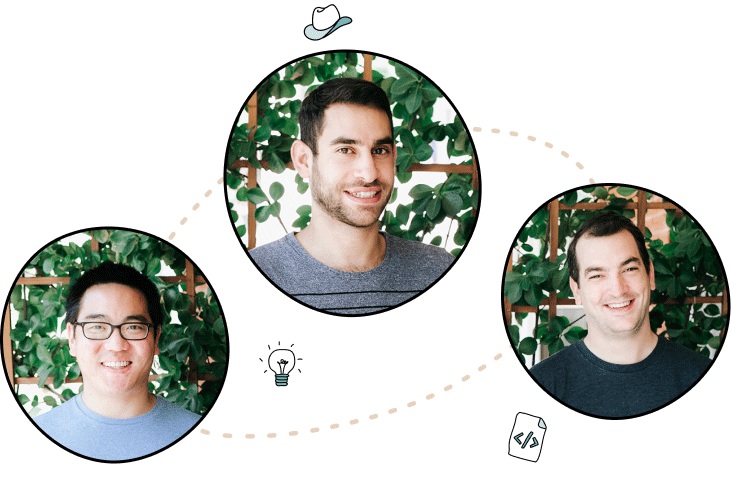
That history gives the business a pleasing irony. A company devoted to helping other people listen began with founders who had neglected to do so. Basel Fakhoury, Dennis Meng and Bob Saris learned that a handsome product can be an expensive way to preserve a bad assumption.
A business hiding in the waiting room
When they tested new concepts, finding interviewees became a problem in its own right. Their next experiment had a sales target: four paying customers in three weeks. A manual service using forms, a scheduling tool and gift cards reached it. They could automate later; first, somebody had to pay.
The distinction matters. A conversation can establish that a chore is annoying. A purchase establishes that someone will spend money to make it disappear. For a founder considering the same approach, the useful thing to copy is the sequence: investigate the problem, declare the test, then ask for a transaction.
The interview before the interview
User Interviews occupies the administrative stretch before evidence arrives. Someone must locate candidates, check their suitability, offer appointment times, obtain consent and arrange compensation. Individually, these jobs sound manageable. Together, repeated across a busy product organization, they can turn curiosity into a backlog.
Recruit is the external-audience product. Researchers specify the people they need, construct a screener and review qualified applicants. Scheduling and incentives follow in the same workflow. The range of studies includes usability tests and surveys as well as conversations; the company name describes a method, not a restriction.
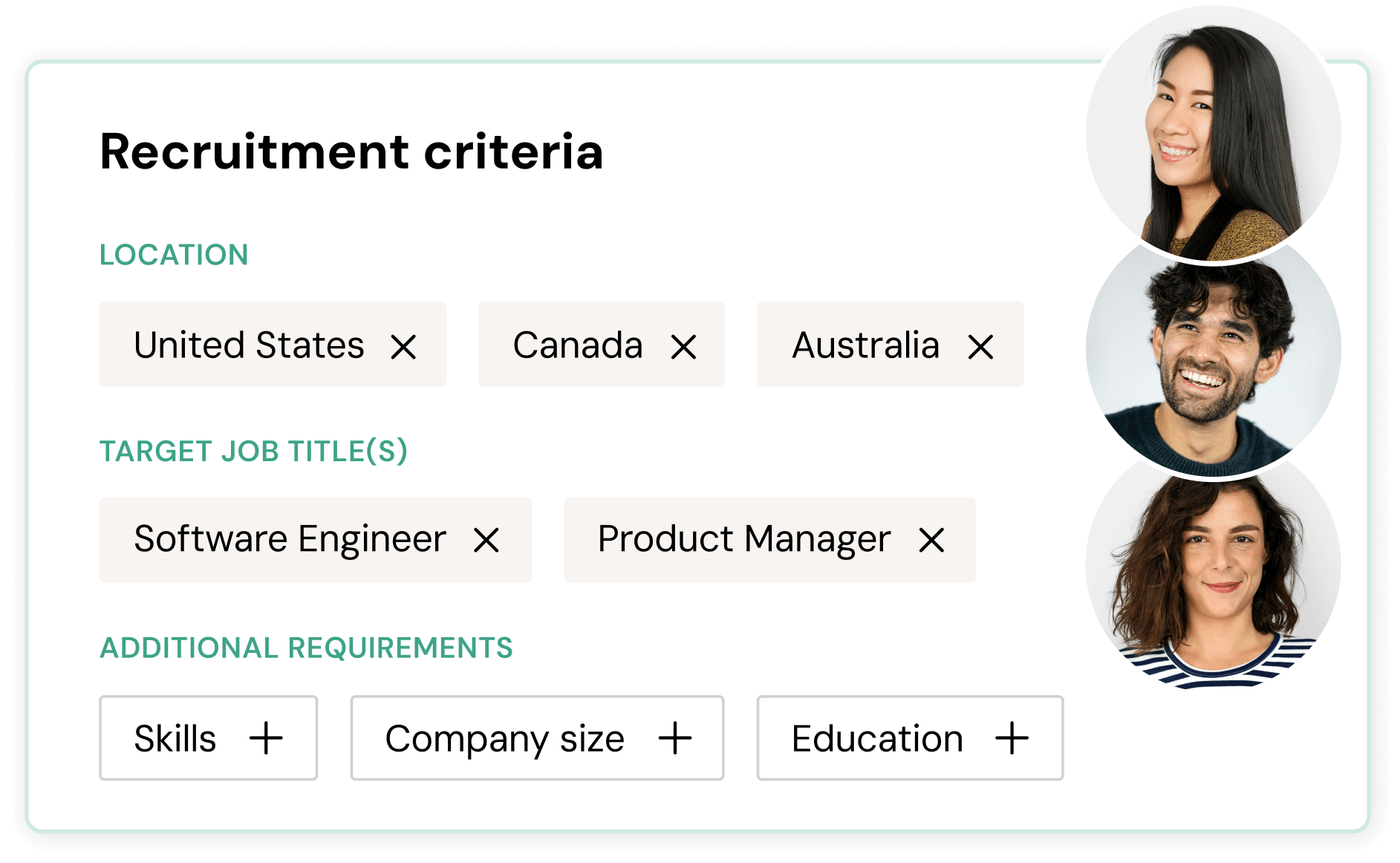
Research Hub starts with a different question: how do you repeatedly reach people who already use your product? It stores a company’s own participant panel, with profiles, segments and participation records. Contact rules and consent workflows become particularly useful when several teams want access to the same customers.
Customers include UX researchers, designers, product managers and research operations staff. Microsoft’s Edge team has used Recruit to source targeted participants. Nielsen Norman Group appears among the company’s research customers. These are buyers seeking relevant human experience, rather than simply a large pile of survey responses.
Twenty-five thousand names need some manners
Zendesk offers a concrete example. Its published case study describes a panel of 25,000 customers housed in Research Hub. Before the change, recruitment involved at least five tools and substantial manual coordination. Afterward, a two-person operations team could support twelve dedicated UX researchers and more than 200 product managers and designers.
Zendesk’s estimate for recruiting work after consolidating its workflow. A customer result, rather than a promise for every team.
The rollout began with simpler studies and widened gradually. Zendesk also required training and acknowledgment of policies covering consent, customer contact, data and incentives. Self-service needed rules. Otherwise, making customers easier to reach could merely make them easier to exhaust.
Atlassian’s accessibility panel supplies another useful detail. Its screeners focused on assistive-technology behavior, such as screen-reader use or keyboard navigation, rather than diagnoses. Research Hub helped organize those participants for product teams. The lesson is practical: define the experience you need to understand, then recruit for it.
Getting the right stranger costs money
The commercial model combines recruiting charges with subscriptions and enterprise contracts. For an occasional consumer study, the listed pay-as-you-go Recruit fee is $49 per completed session. Participant compensation is additional. Automated incentive distribution adds a 3% processing fee; advanced targeting and other add-ons can change the bill.
The cost buys logistics and access. A research team still needs a question, an appropriate method and somebody willing to examine the answers. A specialist agency may suit a study requiring extensive manual sourcing in an unfamiliar market. A recruiting platform cannot make an unavailable audience appear on command.
The panel is also a balancing act
User Interviews describes a matching system that filters structured characteristics, predicts screener suitability and re-ranks candidates. Speed is one objective. Others are fraud prevention and participant engagement: sending every opportunity to the same responsive people would be a poor way to maintain a healthy panel.
Its market position has rested on connecting that participant supply to tools researchers already use. Integrations include Qualtrics, Lookback and Zoom. Respondent competes for recruiting work; broader research platforms and specialist agencies offer other combinations of services. The right comparison depends on which part of the study is causing the delay.
A new customer for human judgment
Teamworthy led the company’s announced $10 million Series A in 2021. Sageview led a $27.5 million Series B in 2022. UserTesting acquired User Interviews in January 2026, pairing participant recruitment with a broader customer-insights platform.
“User Interviews will still be available as a standalone product”Basel Fakhoury · Insights Unlocked · January 2026
On September 29, the group introduced Auros as its corporate parent brand, encompassing UserTesting, User Interviews and new AI services. The stated opportunity includes people helping train models and test agents. Human judgment has acquired another buyer.
The original lesson remains useful. Teams can make building faster without making their assumptions more accurate. User Interviews clears some of the practical obstacles to finding out. What happens once the participant arrives still depends on whether the people asking questions are prepared to hear an inconvenient answer.
Visit, watch, investigate
Website · Plans & pricing · Company blog · Product tours
YouTube · The acquisition interview · The Auros announcement