The equipment in Tori Tomlinson’s story is unusually domestic: blankets, sleeping bags, crock pots. US Wellness was supporting a week of diabetes awareness screenings in more than 3,500 pharmacies when a blizzard buried the East Coast. In the founder’s telling, employees arrived ready to stay at the office. Somewhere between the blood tests and the snowdrifts lay the real assignment: make the program happen.
That memory is a useful introduction to US Wellness, the women-owned company Tomlinson founded in 1997. Employee health is full of sound intentions. Delivering those intentions requires appointments, clinicians, laboratories, reminders and someone who answers when the plan gets complicated.
- Employers buy screenings, coaching and the work of running a wellbeing program.
- Employees can participate onsite, through offsite testing or with physician-submitted results.
- The current portal offering spans four platforms, with selection and administration support.
- Customer participation figures are promising, but they do not establish healthcare savings.
The appointment is only the beginning
Consider the employee who cannot attend Tuesday’s screening. US Wellness offers several other routes: a laboratory voucher, a home test kit or a form for results from the employee’s physician. These routes are not identical. Its home fingerstick kit does not supply measurements such as blood pressure or waist circumference. Flexibility still has specifications.
At a worksite, the offering includes scheduling, screening, coaching and results reporting. The company says its screening teams are W-2 employees led by licensed and certified professionals. It also describes itself as a CLIA-certified laboratory with licensed coverage across all 50 states. Its expertise combines clinical staffing with the administrative machinery needed to deliver services in many locations.
Follow-up gives that machinery a purpose. The gaps-in-care service supports preventive care, appointments after a diagnosis and self-care for chronic conditions. Separately, certified coaches work on sleep, stress, eating and movement, using methods including motivational interviewing and structured goal setting. The practical question is what an employee can do next, given the life they actually have.
What 81 percent actually means
NIBCO, the valves and fittings manufacturer, supplies a more revealing example than a feature list. Its program used 2016 screenings to inform a 2017 portal launch. Employees and spouses had assessments, screenings and alternative online activities. Meeting goals and earning 300 wellness points could qualify them for a medical-premium discount.
According to US Wellness’s case study, portal engagement began at 35 percent in the first month and reached 81 percent by the end of 2017. The definition matters: an active participant had logged in within the previous 90 days. Engagement remained between 60 and 80 percent during 2018. Those are participation measures, not proof that medical costs fell.
There is a lesson here for benefits teams: state the denominator and the behavior before celebrating the percentage. NIBCO also expanded alternative activities in 2018, followed by a broader emphasis on financial, social and physical wellbeing in 2019. The program gave people additional ways to participate as it developed.
The product includes the person running it
US Wellness sells to employers and works with benefits brokers and consultants. Its published customers range from Nelnet to Cecil County Public Schools and Allen & Shariff. Nelnet began with onsite screenings in 2014 and added a portal, incentive management, challenges and coaching in 2018. The school district sought help as chronic-condition claims increased.
The business model is configurable: buy a service or combine several into a program. Employers request quotes tied to their workforce and budget. Appointment scheduling is advertised at no cost, but that is one component of the service. A useful purchasing conversation therefore starts with the population, testing routes, staffing, platform and follow-up required.
Its current portal page describes four platforms in its network and more than 100 employer clients served. US Wellness helps choose the platform, implement it and manage content and administration. Personify Health, formerly Virgin Pulse, is a documented partner. Technology selection sits beside clinical delivery rather than defining the whole business.
Buyers can also consider providers such as Ramp Health, Quest Diagnostics and Wellworks For You. US Wellness’s pitch is the breadth of work under one team: testing, clinics, coaching and administration. For an overstretched benefits department, fewer handoffs may be the most attractive feature.
“We are passionate about helping people live well.”Tori Tomlinson, founder and CEO
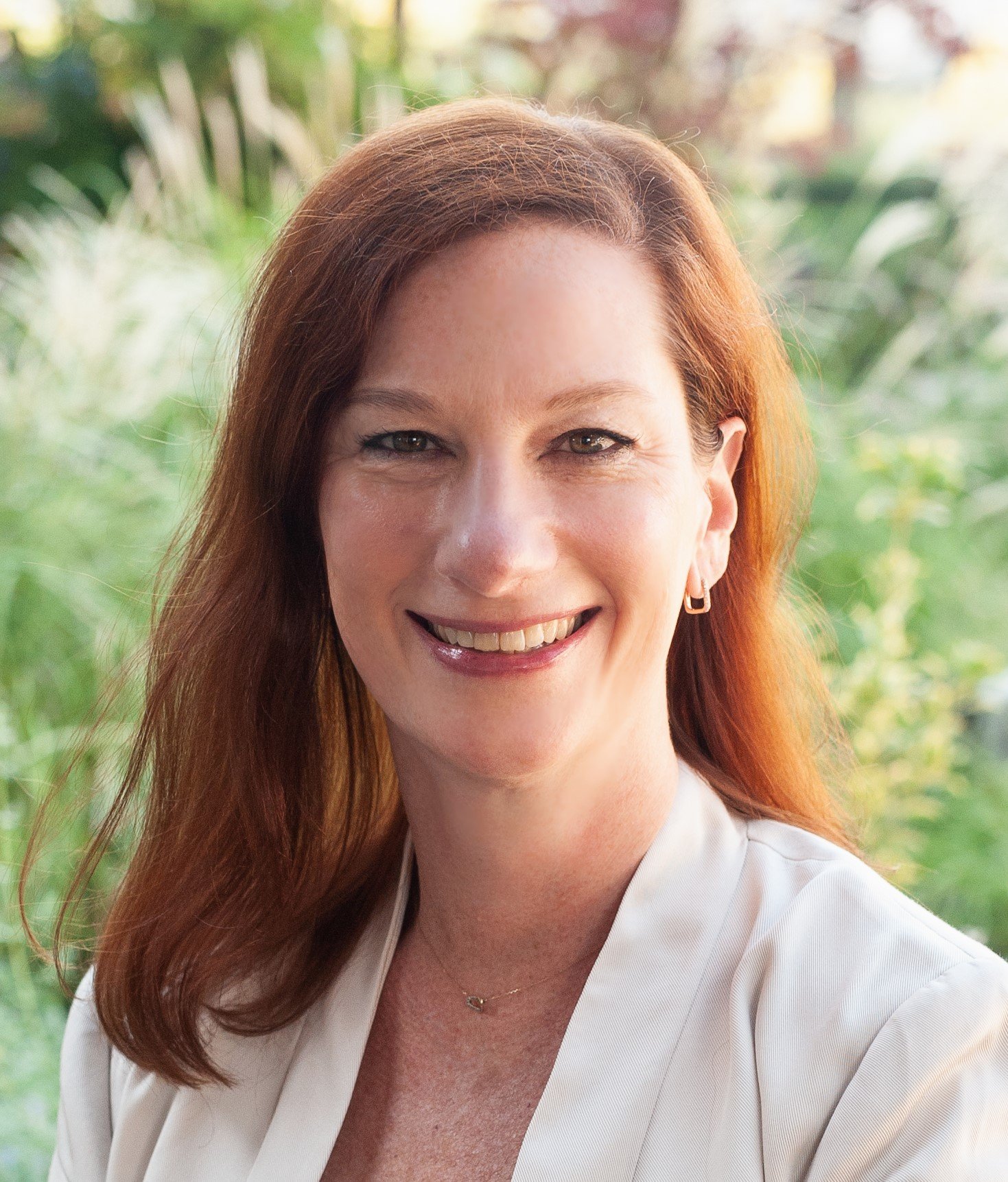
Williamson’s promotion announcement described expansion into virtual wellbeing, staffing and analytics. In January 2025, the company announced Shortlister Top Vendor recognition. The service mix has widened, while the underlying proposition remains practical: help an organization put its wellness plans into operation.
A bigger test of the handoff
In August 2023, US Wellness announced access to GRAIL’s Galleri multi-cancer early detection test through its employer network. The prescription blood test looks for a signal shared by more than 50 cancer types. It adds a screening option; it does not diagnose cancer or replace recommended routine screening. False positive and false negative results occur, and a detected signal requires diagnostic evaluation.
That distinction makes follow-up especially consequential. A result needs interpretation and a route into care. US Wellness’s combination of testing access, clinical outreach and navigation is relevant to that problem, although offering the service does not establish an outcome for every participant.
The connections carry risk, too
Connected services also share dependencies. A March 2023 company notice described a January 31 security incident at a vendor that disrupted access to systems and potentially involved personal or protected health information. US Wellness said it investigated, notified affected individuals and enhanced security measures. It reported no evidence of misuse of potentially involved information.
The practical takeaway is to design the handoffs as carefully as the screening day. Give remote workers another route. Define participation precisely. Decide who handles a concerning result. US Wellness makes those operational questions part of the purchase. The next appointment deserves as much planning as the first.