The first version of SeaWorld was supposed to serve dinner. Its founders imagined an underwater restaurant in San Diego. What opened in 1964 was a marine park: 21 acres, 45 employees and an initial investment of $1.5 million. More than 400,000 visitors arrived in the first year. Somewhere between the menu and the dolphins, the founders had discovered a different appetite.
- Seven brands sell different versions of the family day out.
- In 2025, spending inside the parks rose, but attendance and revenue fell.
- Animal care gives the business expertise, obligations and an unusually complicated reputation.
Today, that appetite belongs to United Parks & Resorts, the parent formerly called SeaWorld Entertainment. The name changed in February 2024; the park names stayed. SeaWorld, Busch Gardens, Discovery Cove, Sesame Place, Aquatica, Adventure Island and Water Country USA sit beneath the corporate umbrella. The distinction matters. A parent company can be unfamiliar even when millions of people have been through its turnstiles.
The restaurant that escaped its brief
The portfolio has another unlikely beginning. Busch Gardens Tampa started in 1959 as a garden and bird sanctuary beside an Anheuser-Busch brewery. Beer and birds eventually gave way to a much broader combination of animals, rides and entertainment. The modern holding company was incorporated in 2009, around Blackstone’s acquisition of the business. SeaWorld went public in 2013.
These origins help explain a company that is awkward to place in one box. Disney and Universal draw heavily on stories and screen characters. United Parks offers an alternative built around animals, physical thrills and water. Sesame Place adds licensed characters for younger families. The customer is often deciding how to spend a vacation day; the local passholder is deciding what to do again next weekend.
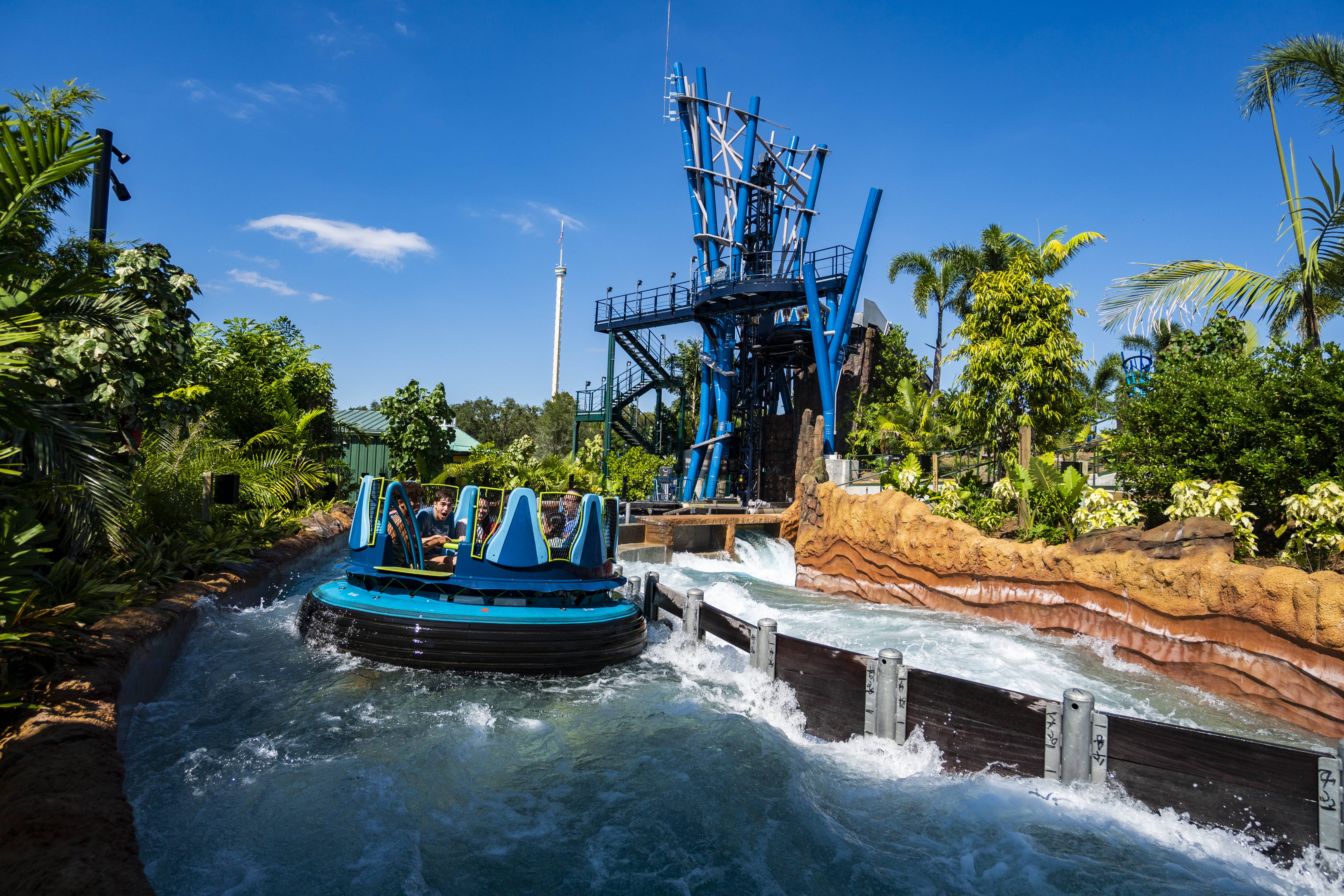
The second sale
A theme park makes its first sale before the visitor steps inside. The second unfolds across the day: lunch, drinks, souvenirs, queue upgrades and extra experiences. In 2025, United Parks recorded $78.54 in revenue per visit. Admissions contributed $41.73; spending inside the parks contributed $36.81. Those are averages across products and visits, not the advertised price of a ticket.
Company-wide averages per visit. Percentages calculated from reported figures.
There is a small trap in that arithmetic. In-park spending increased 1.0% in 2025, yet total revenue fell 3.6% to about $1.663 billion. Attendance fell 1.8% to approximately 21.2 million visits, and admission revenue per visit declined. Selling more to the people who arrive cannot always compensate for fewer arrivals and a weaker admission yield.
Discovery Cove packages the transaction differently. Its reservation-only day includes meals, snacks, selected drinks and equipment; dolphin swimming depends on the package purchased. Daily attendance is limited. For families, bundling removes some decisions and makes the inclusions easier to understand. For the company, it offers another way to sell a day, alongside the pass, the single ticket and the water park visit.
When the attraction became the argument
Animal experiences also created a problem that another roller coaster could not immediately solve. The 2013 documentary Blackfish challenged SeaWorld’s treatment of orcas. The SEC later alleged that the company misled investors about the film’s effect on its reputation and business. SeaWorld agreed in 2018 to pay a $4 million penalty, without admitting or denying the allegations.
The failure included how the business described what was happening to it. A disclosure settlement makes an abstract phrase like “reputational risk” remarkably concrete. A company can disagree with its critics while still owing investors an accurate account of the commercial consequences. That lesson applies to businesses whose products never go anywhere near a pool.
“The company will end all orca breeding as of today.”
SeaWorld announcement / March 17, 2016
The policy change followed a board committee’s review, consultation with animal-care specialists and consideration of public sentiment and legal uncertainty. SeaWorld also announced a shift from theatrical orca shows toward encounters emphasizing natural behavior and education. Its previously proposed Blue World habitat expansion would not proceed as originally designed. Changing the offer meant changing both programming and capital plans.
The work after closing
Ending breeding did not end the obligation to care for existing animals. That distinction is essential to understanding United Parks. Its expertise includes veterinary medicine, husbandry, nutrition, research and rescue. These are continuing responsibilities in a business whose paying customers can cancel a trip. The animals already there cannot reschedule their needs to match a softer quarter.
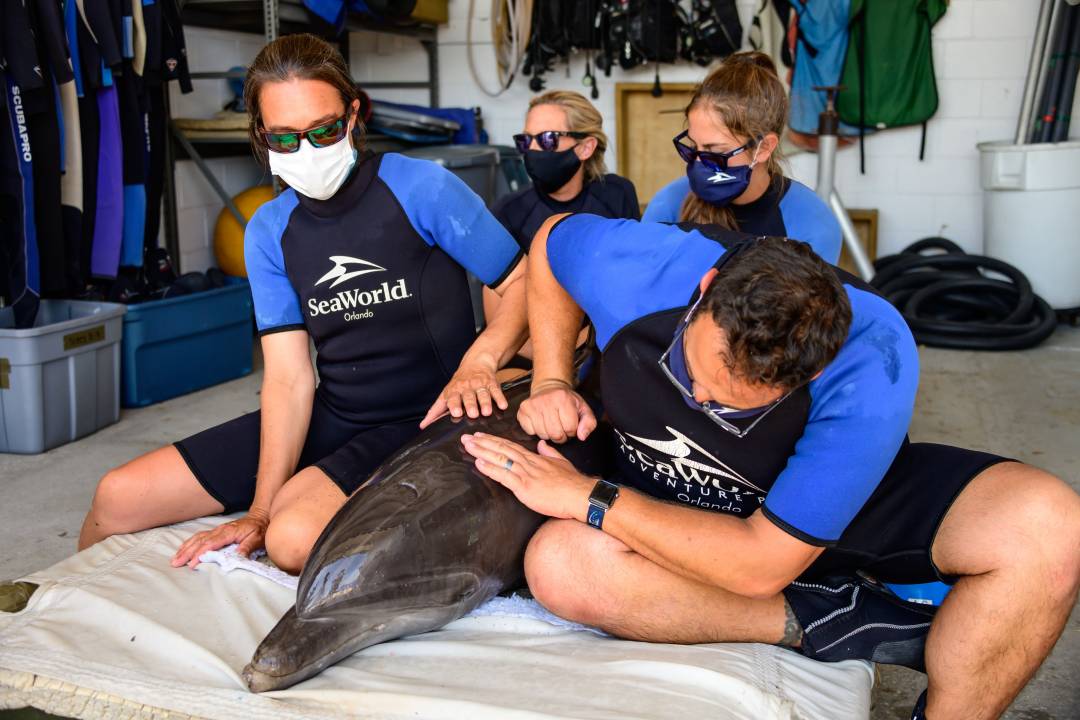
The company reports helping more than 43,000 animals over its history. Its teams work with government agencies, stranding networks and other facilities, aiming to rehabilitate animals for return to the wild. It also reports contributions to more than 1,000 published studies. Those activities deserve attention on their own terms. They do not, by themselves, settle the ethical argument about keeping animals in captivity.
A reason to come back
The financial commitment extends to the attractions. United Parks reported roughly $217 million in capital spending in 2025. New rides, maintenance and improvements compete for money. Pipeline, which opened in Orlando in 2023, illustrates the product logic: a standing ride position and moving restraints turn an ocean theme into something a coaster enthusiast can physically experience.
An editorial reading of the product mix, not a claim of guaranteed growth.
The pattern a reader can copy is to distinguish acquiring a customer from earning the next visit. Passes need attractions and events worth returning for. Bundles need clear inclusions. Higher spending needs to be measured alongside attendance. The idea becomes less dependable when travel weakens, bad weather intervenes or families trim leisure budgets while care and maintenance bills continue.
In the first half of 2026, attendance fell another 3.6%; revenue declined 2.0%. Meanwhile, the company’s reach includes a different arrangement abroad: Miral owns and operates SeaWorld Abu Dhabi under a licensing relationship. Thirteen branded parks do not mean thirteen owned parks. Across both models, the question left by that abandoned restaurant remains useful: what will make people want to spend their day here?