Umar Afridi was importing Japanese performance cars while he was at university. The stock included the Mazda RX-7 and the Mitsubishi Evo 5, machines with rather more personality than the average student investment. He bought them, brought them over and sold them at a profit. Before he had a venture-backed company, he had a business with an engine.
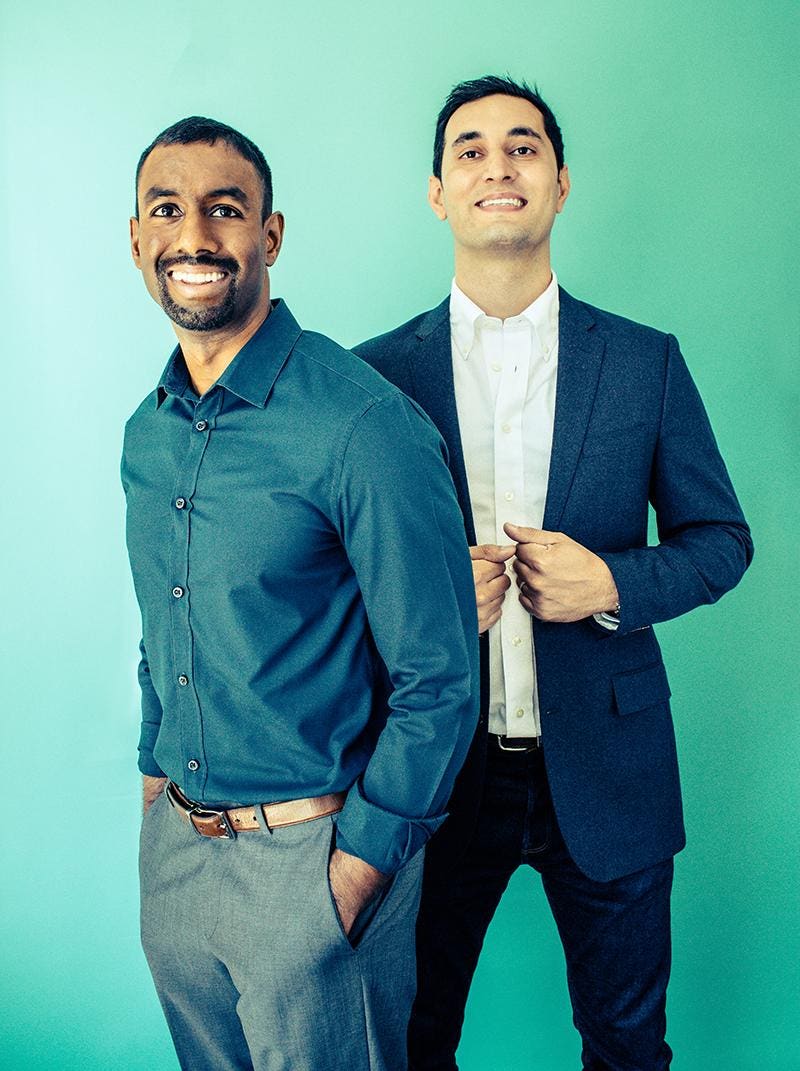
The detail belongs near the beginning of his story because it makes the later career less surprising. Afridi trained as a pharmacist. He also taught himself programming. Those pursuits eventually met in Truepill, the company he co-founded with Sid Viswanathan, where he served as chief executive until 2022. The student who traded cars had found a much larger operating problem.
Yet the interesting part of Afridi’s career is how often he has chosen to work behind somebody else’s shop window. Truepill built a business serving other brands. Foundation Health, which he founded in 2023, is a software company. Across the two ventures, his work invites a question that a conspicuous founder economy tends to overlook: how much can you build while somebody else gets the customer’s attention?
Manchester, then a different sort of engine
Born in Salt Lake City, Afridi grew up in Manchester, where his mother’s family came from. He studied at the University of Manchester and began working in England, covering for other pharmacists. After qualifying to practise in the United States, he took a job at Fred Meyer near Seattle. His route to California included both an established profession and a willingness to start again in another country.
His university qualification gave him a working trade. Teaching himself to code gave him another way to approach the machinery around that trade. There is a useful distinction between knowing that a process is awkward and being able to attempt a replacement. Afridi had acquired some of the tools for both. His early career put him close enough to everyday operations to see where time went.
The car business adds a less solemn dimension to that preparation. Importing an RX-7 is a fairly tangible introduction to commerce: there is a thing to buy, a thing to move and a buyer to persuade. It would be too neat to claim that the cars explain Truepill. They do establish that the commercial curiosity was there long before the funding announcements.
The message that found a co-founder
Viswanathan found Afridi on LinkedIn and sent him an unsolicited message. Afridi’s profile combined his professional background with an interest in entrepreneurship. That combination caught Viswanathan’s attention. A reply became a conversation; the conversation became a partnership. In the history of companies, this is a pleasingly modest entrance. No conference-stage introduction was required. Somebody checked his messages.
The two brought different experience to the discussion. Afridi understood the daily work of the industry. Viswanathan had built a startup and worked in product management. They began asking other people questions. One early prospective customer described using Yelp to find businesses to work with. That was a revealing answer: a company trying to grow was assembling its operating network through a consumer directory.
Truepill’s opportunity sat in that gap between an appealing customer-facing brand and the less glamorous work needed to support it. Afridi and Viswanathan chose a business-to-business approach. Other companies could own their identities and customer relationships while Truepill supplied part of the infrastructure underneath. It was a commercially deliberate place to stand, even if it offered fewer opportunities to put the company’s name in lights.
Before the pitch, pack the boxes
The early work was decidedly physical. The founders financed the company themselves before entering Y Combinator’s Summer 2017 batch. Afridi handled orders while Viswanathan packed and labelled boxes. Their later account of fundraising centred on showing what the business had already done. The pitch was built around evidence accumulated while operating, with relatively little time available for polishing the presentation.
That sequence matters. Outside capital can make a plan possible, but these founders wanted the basic business working first. When they reached investors, they could point to activity rather than ask everyone to imagine it. There is a certain discipline in preparing a fundraising narrative after spending the day shipping something. An extravagant slide must compete with the memory of the packing table.
Truepill’s Y Combinator connection became one of the public markers of the company’s progress. Its Summer 2017 listing survives as a compact record of the venture’s place in the startup ecosystem. Behind that neat designation was an earlier period of personal financial commitment, repetitive work and a founding team small enough that job descriptions could hardly afford much ceremony.
- 01Self-financeStart with their own resources
- 02Ship ordersDo the operating work
- 03YC · S17Join the accelerator
The price tag, and the handover
By October 2021, Truepill announced a $142 million Series D round. The company put total funding at $256 million and its valuation at $1.6 billion. Initialized Capital and TI Platform Management were among the participating existing investors. Those figures marked how far the business had travelled from its founders’ own resources. They also changed the scale of what the company was being asked to become.
A valuation is a price attached to expectations at a particular moment. It cannot do the daily work of a business. For Afridi, the next publicly documented decision was a change of role. In February 2022, he announced that he was stepping down as chief executive and passing leadership to Viswanathan. His note expressed pride in what the team had built and confidence in his co-founder.
He closed with the prospect of supporting the next stage. The wording was collegial, with little theatrical farewell about it. The distinction between founder and chief executive had become practical: the company would continue, and somebody else would lead it. In October 2024, LetsGetChecked’s acquisition of Truepill was confirmed. By then, Afridi was already building another company.
A second company with a smaller job description
Foundation Health began in 2023. Its name may suggest a fresh beginning; its founder’s explanation was more specific. He had learned how demanding it was to run substantial operations while developing software. Both required continuous attention. Both had their own staff, costs and decisions. Bringing them together had produced a business, but it had also produced a permanent contest for management time.
In 2025, he described a decision to concentrate on software. The explanation carried several years of experience. The second company would work through partnerships and concentrate on technology. The earlier operating experience remained useful, while the business itself had a more tightly drawn boundary. Afridi was choosing where to apply what he had learned.
Foundation announced $6 million in seed funding in March 2024. In October 2025, it announced a $20 million Series A led by Define Ventures, bringing its disclosed total to $26 million. Vanderbilt University and Intermountain Ventures also participated. These are company financing figures. Their significance in his career is the return to building, with a new organisation and a revised operating model.
In an interview about the new venture, Afridi described customer conversations as a particular pleasure. He spoke about “getting a deep understanding of their pain points.” For a founder with a billion-dollar valuation already in his biography, it is an appealingly unceremonious answer. The enjoyable part was listening carefully enough to make something useful. Meetings with prospective customers rarely make commemorative plaques.
“This time out, we’re just focused on the software.”
Umar Afridi · 2025
Thirty-five years before the meeting invite
One of the people joining Foundation was Shakil Ahmed. In 2024, Ahmed announced that he had become chief operating officer and explained that he and Afridi went back roughly 35 years. They had grown up in Manchester and attended the same elementary school, high school and college. A new company had acquired a colleague from a much older chapter.
The connection gives the story a human scale that funding tables cannot supply. A LinkedIn message had helped create the first founding partnership; a friendship reaching back through school years became part of the second company’s leadership. The relationships had different beginnings. Both involved people bringing their own experience into a shared piece of work.
Ahmed’s current company biography also records his role in Truepill’s UK and European expansion. Foundation’s team includes other people with Truepill experience. This is one practical advantage of a second venture: colleagues can bring knowledge of how one another works, alongside knowledge of the market. A founder gets another start without asking everyone around him to begin from zero.
Still working behind the shop window
By 2026, Foundation’s public updates showed a business moving beyond its early financing announcements. It announced a strategic partnership with Shields Health Solutions in January. A September update described Foundation’s technology as part of Shields’ connected operating model. These developments place Afridi’s second venture inside another organisation’s work, continuing his preference for building infrastructure that partners use.
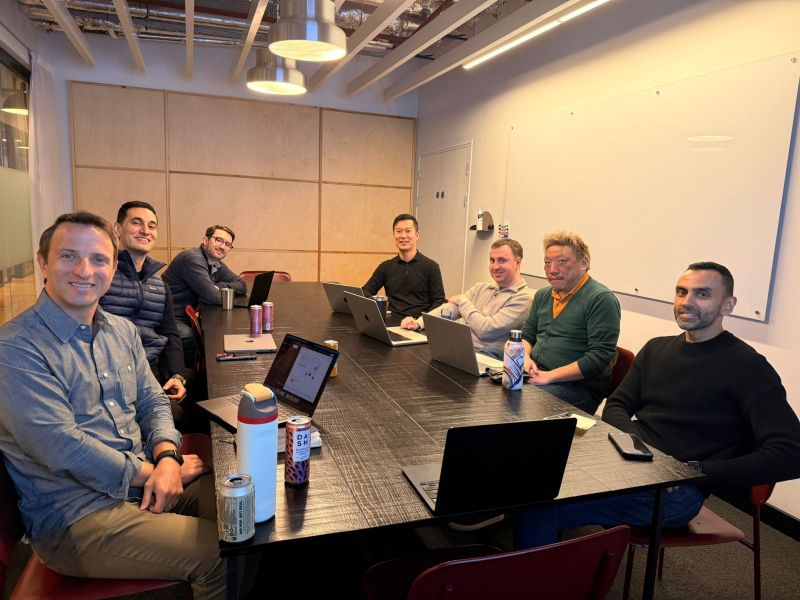
A photograph from a February 2026 office visit offers a less formal progress report. Afridi sits with colleagues around a table occupied by laptops, drinks and the usual equipment of a working meeting. The accompanying update describes time spent reviewing projects and connecting product, engineering and operations. After the car imports, the boxes and the funding rounds, there is still a table of people deciding what to do next.
Afridi’s career has accumulated a recognisable pattern: learn a working system closely, find people with complementary experience, then build a business around the parts that could work better. His second company gives that pattern a sharper boundary. The student who once arranged the movement of Japanese sports cars now spends his time building software for other organisations. The scenery has changed considerably. The practical question of how to make the business run remains.