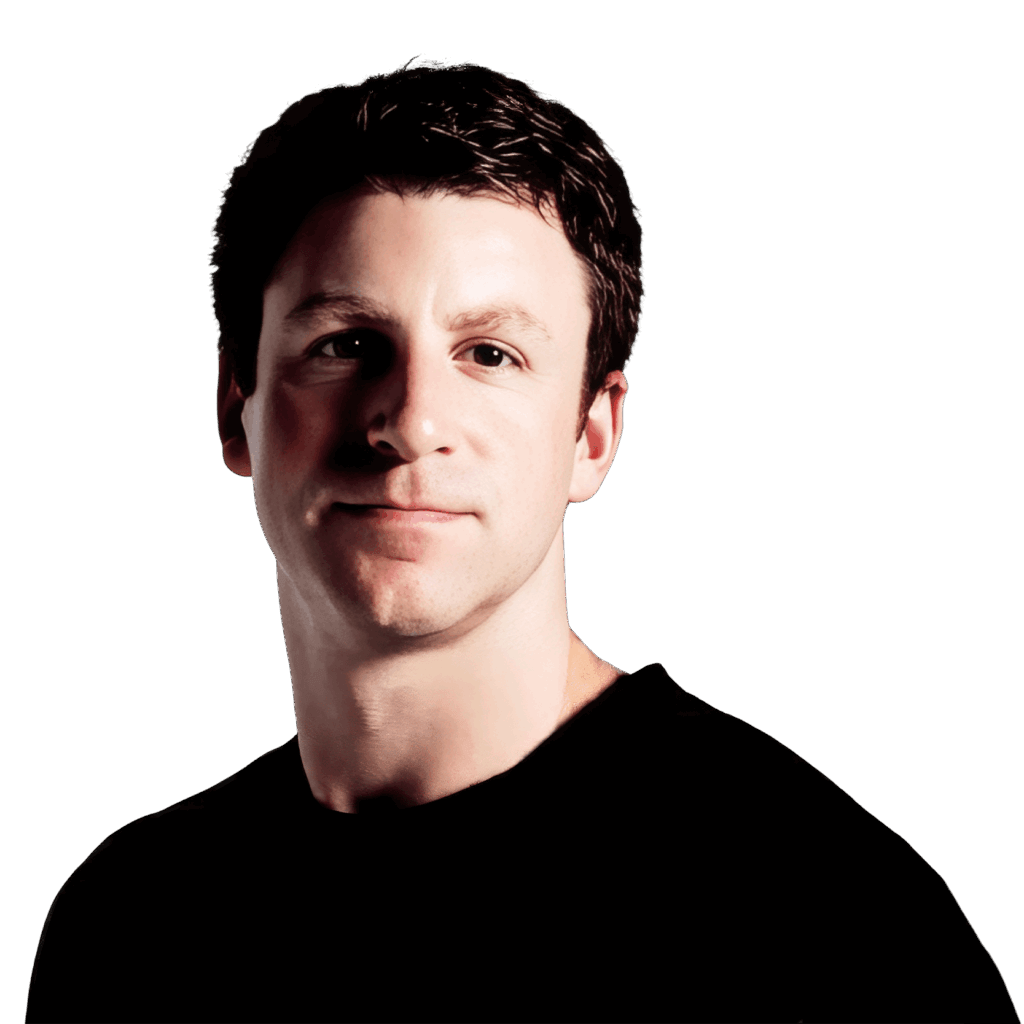
The dealmaker who learned to bet on people instead of spreadsheets
Before Troy Kirwin ever wrote a first check at Andreessen Horowitz, he was on the other side of the table - the side that turns term sheets into legal entities, that stress-tests synergy assumptions at 11pm, that has to tell a founder their company is worth less than they think. He spent roughly four and a half years at Unity Technologies doing M&A, and in that time he moved through over twenty deals. Parsec. IronSource. Names that resonate differently depending on where you sit in gaming.
That experience - the operational scar tissue, the pattern recognition you only get from watching hundreds of companies get absorbed or rejected - is precisely what makes him unusual in venture. Most seed investors have run companies or raised money. Kirwin did neither. He watched deals close, watched cultures collide, watched what happened in the year after the announcement when the real work began. Then he took all of that and walked into a16z.
At a16z, he leads speedrun - the firm's pre-seed program that invests $1M checks into B2B AI and creative tech startups before most VCs have finished their second coffee. The cohort model means he's not just writing checks; he's building a community of founders and actively coaching them through the earliest, most fragile stage of a company's life. He brings in people like Guillermo Rauch of Vercel to talk about what product taste actually means in the age of AI. He posts opinions on X that read more like a mentor letter than marketing copy.
His thesis is simple and ruthlessly focused: he's looking for builders who are so opinionated about product that they can barely contain it. "Taste over everything," he wrote in a tweet that got passed around founder Slack groups. What he means by taste is specific - it's not aesthetic preference. It's the ability to narrow. To know what to cut. To resist the gravitational pull of building more features instead of the right ones.
"Sometimes you meet a builder who is so uniquely opinionated on product and has a special eye for design - you can't partner with those folks fast enough. Taste over everything these days."- Troy Kirwin on X (@tkexpress11)
He built the muscle at Unity. Now he bets on the founders who remind him of the best operators he met there.
Unity's M&A machine in the early 2020s was relentless. The company was buying studios, infrastructure companies, monetization platforms - anything that extended the flywheel of game development. Kirwin was part of the team that made it happen: the deal sourcing, the diligence, the integration planning. Parsec, the remote desktop streaming company that became the backbone of distributed game development teams everywhere. IronSource, the ad-tech and monetization behemoth that merged with Unity in a $4.4B deal that closed in late 2022.
In that environment, you learn fast what separates a business that can scale from one that merely looks good in a pitch deck. You also learn something about founders - the ones who'd built something genuinely defensible had a specific quality. They knew their domain so deeply they were almost unreasonable about it. They had opinions that made you uncomfortable. That became his filter when he crossed over to invest.
He also spent time early in his career at Jefferies as a technology, media, and telecom banking analyst - a crucible that teaches you how to read a business under pressure and what "value" actually means when money is moving. That foundation, combined with the operational intensity of corporate development, gave Kirwin something rare: a complete view of the capital formation process from multiple angles.
Pre-seed is where the real bets happen. speedrun is a16z's answer to the question of who gets access to those bets.
a16z speedrun is not a traditional accelerator. It's a cohort-based pre-seed program that writes $1M checks into B2B AI startups and creative tech companies. Kirwin leads it - which means he's essentially the face of a16z's earliest-stage bet on the future of work, creativity, and infrastructure. The program has backed over 138 companies.
His public writing on pre-seed investing has a refreshing directness. He doesn't want founders who have memorized the right things to say. He wants founders who are genuinely uncertain about their idea but certain about their drive to build. "You don't have to have full conviction in your idea at the pre-seed," he wrote. "We want full conviction that you want to be a FOUNDER." That's a meaningful distinction - it means speedrun is betting on the person, not the pitch.
He's also unafraid to say things that disrupt conventional founder orthodoxy. First-time founders who fail? Don't immediately start another company - go work somewhere to see what great looks like. Fundraising feels desperate? Because you're treating it like a job interview instead of a partnership that needs to feel right for both sides. These aren't platitudes - they're insights from someone who watched dozens of companies get built and taken apart from the inside.