Before Travis Janovich was selling tickets around the world, he was trying to get one for himself. In the late 1990s, seeing Dave Matthews Band or Hootie & the Blowfish at a regional venue could require a preliminary expedition to the box office. There was also the fax: a request sent into the ether, with considerably less certainty than a fan might reasonably want before driving to a show.
He imagined buying a ticket at home, printing it, and arriving with the evening already arranged. A barcode could do the practical work. The idea became Etix in 2000. A small inconvenience had supplied a business problem, and a concertgoer had volunteered to spend the next several decades dealing with it.
The more interesting part came after the ticket. Janovich began asking who should know the audience, who should market the next event, and how much of a venue’s business a ticketing company ought to help run. His career has kept returning to the same place: the room where people gather.
A seat at home, a business in Morrisville
Janovich graduated from North Carolina State University in 1996. His academic background spans economics and statistics, and his business experience includes building technology and telecommunications enterprises. Etix gave those interests a particularly tangible destination. Software would have to work when a real audience wanted to enter a real building.
Janovich founded Etix in January 2000 with the ambition of being able to print a concert ticket either at home or while traveling. The practical appeal was straightforward. A customer could finish the purchase before setting out. A venue could sell through a browser. The ticket became something a person could produce, rather than something they had to collect.
But the transaction also created information. Janovich objected to a system in which the intermediary knew the purchaser while the venue had little visibility into its own audience. He later compressed the company’s approach into seven words: “your data, your dollar, your brand.” The slogan puts the venue in possession of the useful things left behind after the scanner beeps.
Know who is coming through the door.
Keep the venue’s economics in view.
Let the venue remain familiar to its fans.
His interests also reached into operating venues. In 2009, he was among four partners involved in the Hat Factory in Richmond, Virginia, a planned revival of the former Toad’s Place. The group included fellow Etix executive Ben Wingrove and promoters Mark Thompson and Pat Dickenson. The project combined a restaurant with space for national, regional, and local performers.
It is an early sign of how often Janovich would cross between the technical and physical sides of entertainment. A ticketing platform can be accessed from anywhere; a venue belongs to a particular street and community. The Richmond venture gave that distinction a concrete setting, years before the Hopscotch purchase added another one.
Learning what happens before checkout
In January 2011, Etix acquired Rockhouse Partners, a Nashville agency specializing in digital marketing for entertainment. The purchase put marketing programs, customer relationship tools, reporting, and event planning capabilities alongside ticketing. Janovich’s explanation was practical: managing and measuring digital promotion had become increasingly complicated for clients to handle themselves.
A venue can have a perfectly functioning checkout and an uncomfortably empty room. Bringing an agency into the company addressed the earlier part of the evening’s economics: finding people who might buy. The work now reached backward from the sale into the decision to attend.
The people who came with Rockhouse mattered, too. Its founders included Joe Kustelski, Kevin Brown, and Tawn Albright. In October 2012, Janovich chose Kustelski to succeed him as Etix CEO and became chairman, retaining an active leadership role. Kustelski’s background in product, technology, and marketing reflected the company’s expanding range of work. The founder had handed the chief executive’s job to someone whose business he had bought.
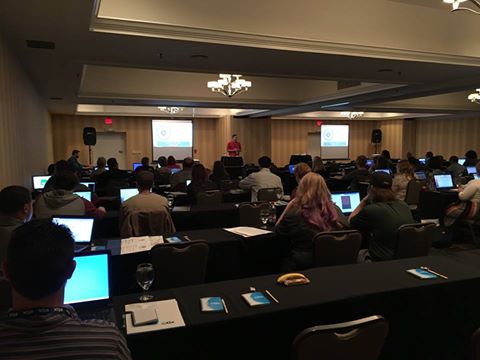
By 2015, Janovich had returned as CEO. That year also brought a management buyout backed by Kian Capital and OFS Capital Corporation. There is a useful distinction between founding a company and deciding, years later, to take another active turn at running it. His involvement had survived a change of title and become the basis for another ownership chapter.
By the time of the buyout, Etix was processing more than 50 million tickets annually across 40 countries. Janovich was returning to an operation with international reach. The initial experiment in printing a ticket had acquired a considerable number of doors.
Buying the festival he already knew
His other consequential transaction in 2015 involved a much more local address. Hopscotch Music Festival had been bringing music into downtown Raleigh since 2010, with Etix supplying its ticketing from the beginning. Festival director Greg Lowenhagen was looking for investment to give the event a firmer financial footing.
Janovich established Hopscotch Presents with minority partner Paul Laughter, then an Etix sales director for fairs, festivals, and expos. The new venture was separate from Etix, even though it shared a Morrisville address. In January, Janovich confirmed that purchase agreements were being finalized; later that month, the acquisition was reported as completed.
Lowenhagen’s reasons for favoring him went beyond access to money. He valued Janovich’s local presence, enthusiasm, and willingness to preserve what the festival had become. An owner who already enjoyed the event had an advantage over one arriving with a fresh theory of what everyone ought to enjoy.
The initial arrangement kept Lowenhagen involved as director and an owner. Hopscotch had reportedly attracted about 20,000 fans in 2014. The task was to sustain an existing event while keeping it enjoyable for audiences and hospitable to artists. That is a rather different management exercise from inventing a festival on a presentation slide.
For Janovich, it placed the ticketing business beside the business being ticketed. A festival has its own obligations, personalities, and financial uncertainties. Owning a piece of one brought him closer to the decisions his customers made. It also kept part of his working life firmly in Raleigh, however far the software traveled.
The founder returns, the map expands
On July 20, 2017, Etix announced a growth recapitalization with Parthenon Capital Partners. Janovich described the investment as a way to accelerate product development and expansion. Acquisitions would sit alongside growth from winning customers directly.
Parthenon’s Brian Golson said the firm had spent several years looking for the right ticketing partnership. Etix occupied a market of midsized venues and live events, a collection of customers whose requirements were substantial even when their buildings were less famous. The company’s president, Paxton Badham, emphasized continuity in ticketing, marketing, and service as the new capital arrived.
- 2000Founds Etix
- 2011Adds Rockhouse Partners
- 2015Returns as CEO; buys into Hopscotch
- 2017Partners with Parthenon
- 2021Joins NIVA’s advisory board
That October, Etix announced its acquisition of Houston-based ExtremeTix. The deal brought experience in motorsports, rodeos, festivals, and special events, along with a team in Texas. These were additional types of customers and additional people who understood them. A software company’s geographical reach can expand through the less glamorous business of hiring, training, and answering questions in another place.
Star Tickets in Michigan and TicketForce in Arizona followed in the acquisition program. When Etix announced those purchases in 2019, it counted them as its fourth and fifth acquisitions over two years. Janovich’s stated approach paired buying businesses with investment in technology and employees. Scale carried an ongoing service obligation.
A place on the other side of the stage
In February 2021, Janovich joined the advisory board of the National Independent Venue Association. Etix had been a founding sponsor, supplying early funding for its advocacy. His place on the board connected the ticketing executive to a wider effort to support independent venues and promoters.
The association’s current advisory roster still lists him alongside people from across live music, including Dave Grohl, Killer Mike, and executives from music and technology organizations. The shared institution matters more than the celebrity adjacency. It brings businesses with different jobs in the same evening into a continuing conversation about the places where performances happen.
A ticketing company has a practical interest in the continued life of those rooms. Venues need audiences, artists need places to perform, and the intermediary depends on both. His advisory role places that interdependence inside an organization where promoters and operators can raise concerns together. It gives the founder another setting in which to listen.
That habit of gathering remains visible inside Etix. The company’s 2026 Blast program advertised a fireside conversation between Janovich and chief product officer Chris Battaglino, alongside sessions on fraud, settlements, marketing, reporting, and equipment. A founder’s conversation with customers now sits in a schedule full of the detailed work required to get an event right.
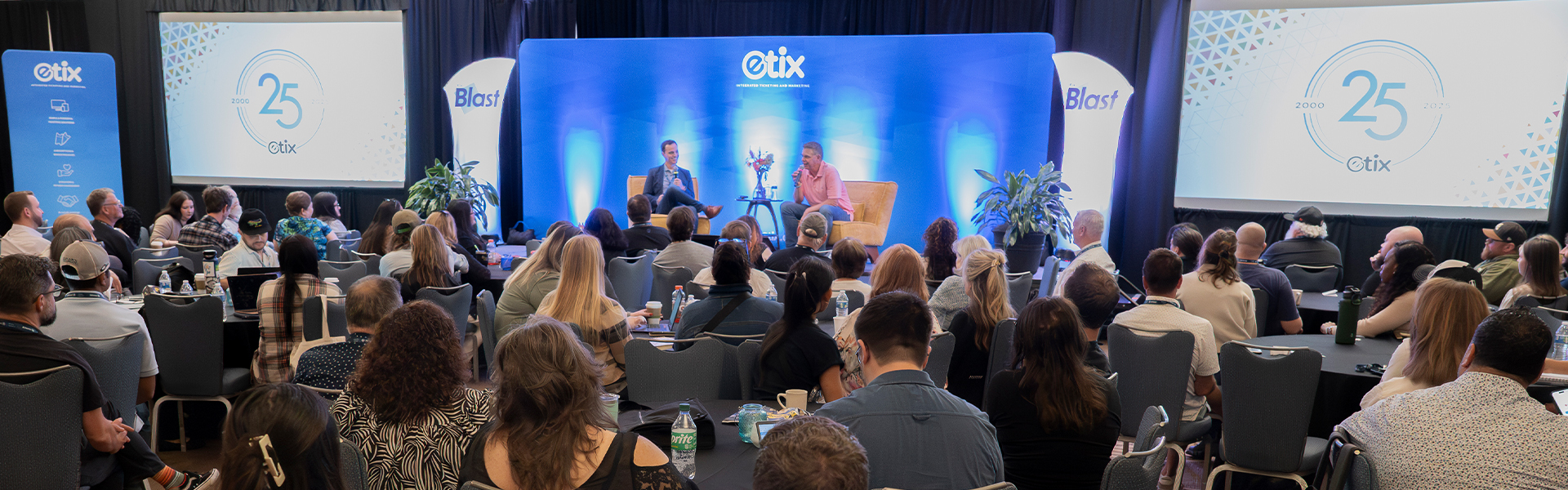
Blast happens in downtown Raleigh alongside Hopscotch. The connection is almost a diagram of his working life: the software, the people who use it, and the festival they can attend after the sessions. Training and live music occupy neighboring spaces on the calendar.
The proposed exit involves fishing tackle
Janovich’s public answers occasionally take a welcome turn away from software. His first concert was Chubby Checker; his recollection included discovering that dancing was not his strength. He named Roger Federer as a favorite athlete. Asked about retirement, he floated a bait shop on a remote island. The proposed inventory would be simpler, although fishermen have their own expectations about availability.
“Learn to laugh at yourself and don’t harp on your mistakes.”
Travis Janovich, advice to his younger self
For now, the public picture is a founder still working among customers, products, and venues. His career began with the desire to secure a place in an audience. It has taken him through agency ownership, executive succession, acquisitions, festival investment, and industry advocacy. The scale changed. The evening still needs to happen.