An Airstream is easy to recognize. Its rounded aluminum body seems to belong to a different visual universe from a fifth wheel with slide-outs and a kitchen island. Yet those apparently separate worlds can lead to the same corporate parent. THOR Industries has spent decades collecting the companies behind the campground. In 2026, it began changing how that collection works.
- THOR owns distinct RV makers, including Airstream, Jayco and Keystone.
- Independent dealers sell the vehicles; travelers supply the demand.
- A tougher market is pushing the parent toward more shared management.
The trailer came first
The beginning was a purchase. On August 29, 1980, Wade Thompson and Peter Orthwein acquired Airstream and formed THOR. The name splices together their surnames. An enterprise associated with adventure began with something considerably less romantic: a manufacturer that needed fixing.
Airstream’s account puts its fiscal 1979 loss at $12 million. After the first year under THOR, it earned $1 million. Thompson worked on financial and production habits, management responsibilities and customer relationships. Even the curvature of exterior aluminum panels was modified to reduce labor and cost. The recognizable object survived; the economics underneath it improved.
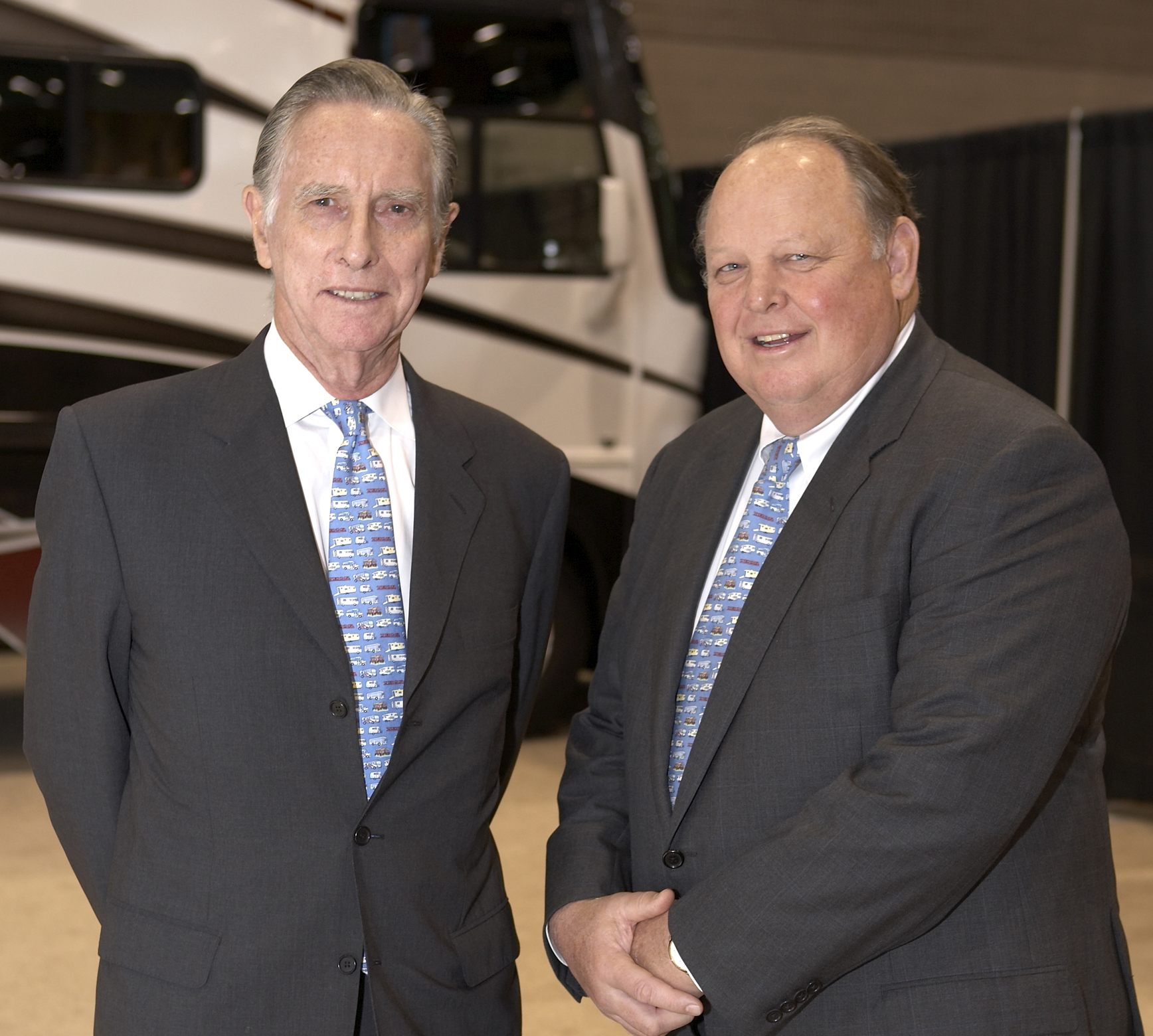
That distinction helps explain the company that followed. THOR could buy an established name, retain its appeal and work on the operation. It acquired Keystone in 2001. Jayco followed in 2016; Erwin Hymer Group brought a substantial European business in 2019. Tiffin joined in 2020. Each addition expanded the range of customers the group could reach.
Different badges. Shared balance sheet.
Consider Jayco. THOR paid approximately $576 million in cash for a business whose 2015 revenue was $1.5 billion. The acquisition included Starcraft, Highland Ridge and Entegra Coach. Its existing senior management would continue to lead it. Keeping people who understood the products was an explicit feature of the deal.
The shopping also extended inside the vehicle. In 2021, THOR paid $750 million for Airxcel, subject to closing adjustments. Air conditioners, heating systems and other components gave it another position in the RV economy. Airxcel sold to manufacturers and the aftermarket, including customers beyond THOR’s own subsidiaries. Ownership could help supply continuity while adding revenue from parts.
For vehicle sales, the immediate customer is usually an independent dealer. That dealer then sells to the traveler. THOR’s fortunes therefore depend on two decisions: whether somebody wants an RV, and whether a dealer wants another one on the lot. Enthusiasm for camping does not automatically become a factory order.
The end users have different jobs to accomplish. A travel trailer gives an owner living space to tow behind a suitable vehicle. A fifth wheel uses a pickup-bed hitch. A camper van combines transport and accommodation in a smaller package; Class A and Class C motorhomes offer other combinations of space and chassis. Families, couples and extended-trip travelers can find different answers within the portfolio.
Forest River and Winnebago Industries compete across overlapping categories. THOR’s distinguishing feature is the breadth of established names it owns, with manufacturing knowledge and distribution across North America and Europe. For a buyer, however, the parent’s breadth cannot settle questions about a particular floorplan, dealer or service experience.
The year autonomy needed a renovation
Then comes the awkward number. Fiscal 2026 sales were $9.61 billion, up 0.3%. Net income attributable to THOR fell 31.3%, to $177.5 million. Revenue held its ground while profit retreated. Interest rates, fuel costs and inflation strained household budgets, management said. The expected retail recovery failed to arrive.
Decentralization had been part of THOR’s appeal for decades. But in March 2026, the company pointed to dealer consolidation and the need to use its scale more effectively. Its initial response organized most North American RV operations into two groups. Shared sourcing, processes and data were among the intended benefits.
“Our structure has been decentralized for decades”
Bob Martin, President and CEO · September 10, 2026
By September, it had gone further. Ken Walters became president of North American RV operations. THOR identified three operating groups: North American RV, European and Supply. Management said experience evaluating the two-group approach showed that more unified coordination could accelerate benefits. The company was revising an operating habit that had helped build it.
That makes the lesson more useful than a simple celebration of autonomy. Letting businesses run separately can protect expertise and identity. Shared purchasing and systems can reduce duplication. THOR’s current experiment is about deciding which decisions belong close to the product and which become cheaper or better when made together.
The campground is the engineering brief
The same practical tension appears in electrification. A motorhome must move down the highway and support life after it parks. THOR and Harbinger’s 2024 test vehicle combined electric drive with a gasoline range extender. Its estimated 500-mile range described the combined system. The engineering addressed the uncomfortable distance between a desirable campsite and a convenient charger.
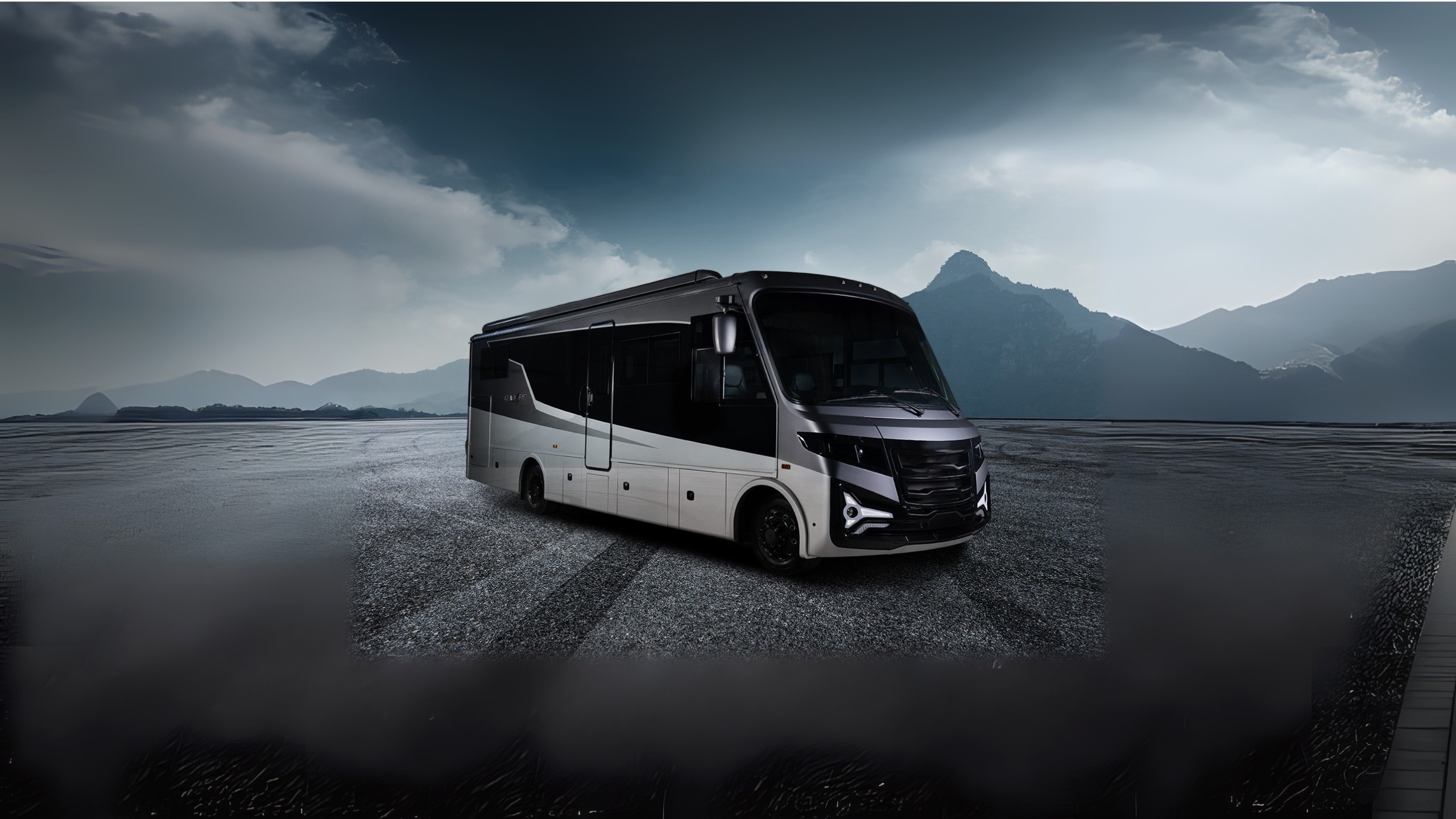
The Entegra Embark carries that work forward, but availability matters. Its official page currently says it is not in retail production. In March 2026, THOR described a planned controlled launch with a rental partner to study reliability and usage before wider distribution. That is a sensible sequence readers can borrow: observe the product doing its actual job before scaling it.
For shoppers, start with the trip: who sleeps aboard, what can tow it, where it parks and what ownership costs between vacations. THOR’s range supplies options. It cannot make every option fit. For managers, the parallel is equally practical: keep the qualities customers value, examine the shared costs, and change the organization when the old arrangement stops earning its keep.
Take the next exit
Watch the details