In 1929, two men in Great Falls quit their jobs to open an advertising agency. This was poor timing in the strict economic sense. The stock market collapsed that autumn. Banks folded. Advertising budgets did not announce themselves as a promising place to build a future. Yet R.M. Bird and L.W. Wendt began anyway.
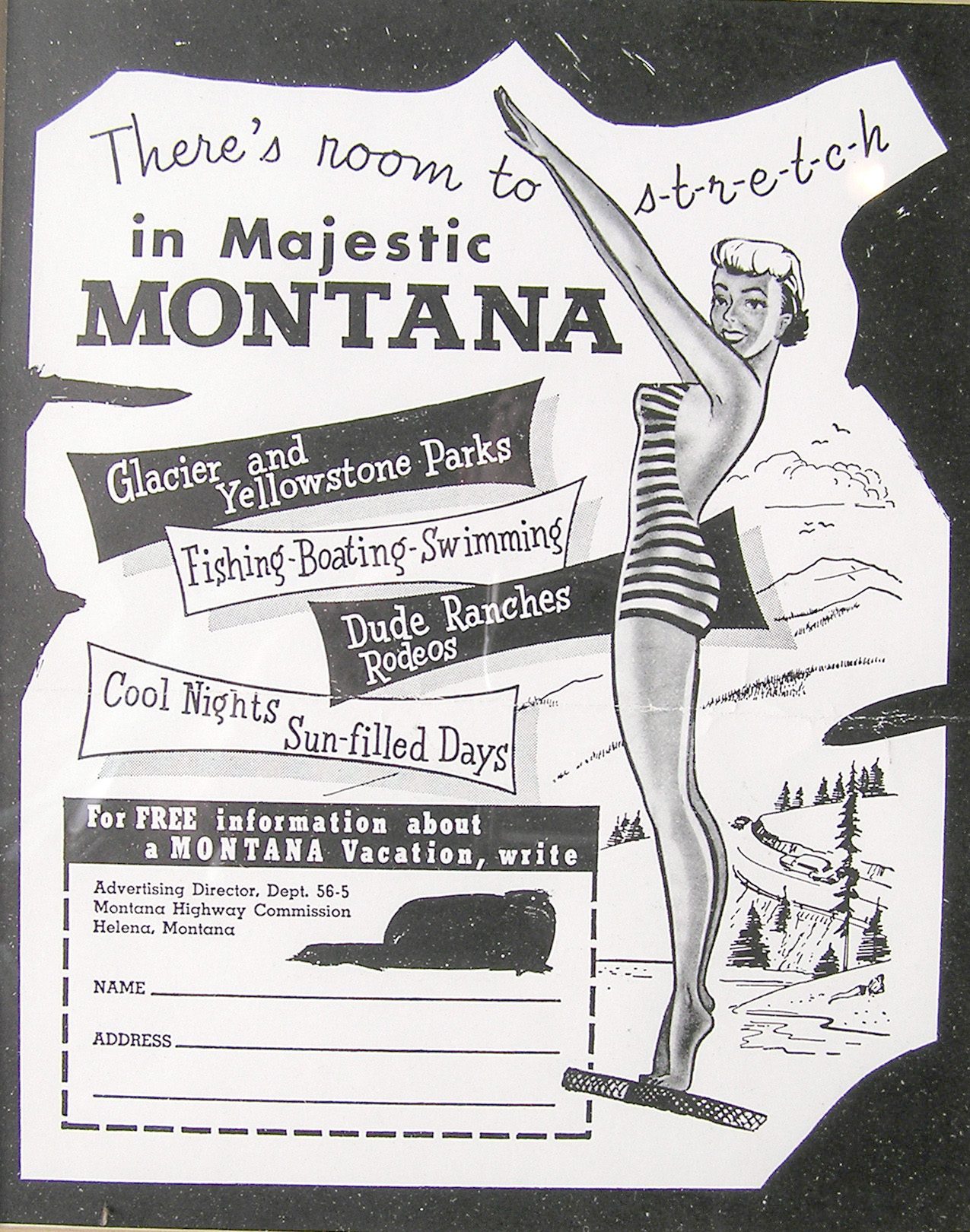
Nearly a century later, their company is still in Great Falls, still independent, and now employee-run and employee-owned. The Wendt Agency has moved from typewriters and rubber cement to programmatic media, responsive websites and social video. It has advertised early loaves of sliced bread, explained wartime rationing, taught outsiders how to imagine a Montana holiday and helped hospitals, state agencies, museums and lottery games find a public voice.
The tempting explanation is durability: sturdy Montanans, a firm handshake, the old building. The more interesting explanation is revision. Wendt survived because it has repeatedly revised what an agency is allowed to be.
The product is not the ad
Wendt calls itself full-service, a phrase that can make an agency sound like a diner with a very long menu. Here it means the firm can research a brand, shape its position, write and design the campaign, shoot the photographs and film, build the website, handle public relations, buy the media and measure what happened. Customers include the Montana Lottery, the Montana Department of Transportation, Shodair Children's Hospital, Achieve Montana, tourism organizations, universities, tribal communities, banks, nonprofits and the C.M. Russell Museum.
Those customers do not buy a standard product. They commission projects, integrated campaigns or continuing agency relationships. Rates and campaign budgets are private. The model depends on assembling the right mixture of strategy, production and distribution around a particular problem. A tourism bureau needs visits. A hospital needs people to understand that it does more than they assume. A public-health campaign needs to be accurate enough to earn trust before it can hope to change behavior.
The recurring Wendt move is translation. The Montana Lottery's Big Sky Bonus game contained probabilities, progressive jackpots and a product refresh. Research said likely players wanted many winners and meaningful prizes. Wendt translated that arithmetic into a magical winner factory. Workers bustled around making winners as if jackpots came off an assembly line. The campaign used television, radio, digital video, mobile ads, streaming TV, outdoor boards and social media. More than 123,000 people completed the video online; Twitter produced more than 130,000 video views; revenue rose 29 percent year over year after the relaunch.
The factory did not work because factories are inherently amusing. It worked because it turned an invisible benefit into a scene anyone could understand. The lesson is copyable: do not explain the mechanism when you can dramatize the consequence.
What failed first was the audience
In April 2026, the agency published an experiment. It asked AI for a one-week marketing strategy designed to increase engagement, leads and brand awareness, then let the system proceed with no guardrails. The answer called for three to five daily posts on every platform, daily email blasts, trending hashtags, artificial urgency and a campaign obsessed with going viral. The generated copy promised overnight growth and secret tricks. It looked like marketing in the way a movie set looks like a town.
“It looked like marketing. But it lacked the things that we believe help to make marketing effective.”The Wendt Agency, on its AI experiment
The first thing to fail was audience understanding. The plan never asked who was being addressed, what those people cared about or where they stood in a decision. Volume replaced judgment. Attention replaced conversion. Wendt's conclusion was practical: use AI to generate ideas, break creative blocks, structure material and repurpose work. Do not hand it the context it cannot possess.
This is not an anti-technology posture. A company that went from paste-up boards to performance analytics has little room for nostalgia about tools. It is an argument about order. Audience first, instrument second. Under conditions where the audience is undifferentiated, the offer is generic or the client cannot supply real knowledge, the Wendt method loses its advantage. Regional fluency only helps when it is allowed into the brief.
Montana is not a backdrop
In Wendt's best work, place behaves like information. During heavy Covid restrictions, Central Montana still needed to attract visitors. Families had spent months turning kitchens into classrooms. The agency changed the frame: a safe regional trip could be a field trip. It built a landing page with attractions organized by subject, lesson plans and downloadable activity sheets, then used digital display, video, native stories, social and email to reach families in Montana and nearby drive markets.
In one month, the campaign delivered more than 8 million impressions, brought 21,512 unique users to the landing page and generated more than 62,000 pageviews. It also overdelivered by 73,000 impressions, which the agency valued at $6,840. The clever part was not the school pun. The useful part was changing the trip so it fit the family's new reason for saying yes.
For a Blackfeet impaired-driving film, local knowledge required something more serious than targeting. Wendt and the Montana Department of Transportation's Safe on All Roads program worked with tribal leaders, recruited people willing to tell painful personal stories and used focus groups to test whether the film was truthful and culturally accurate. The work was edited into versions from 90 seconds to 30 minutes. Here, the transferable idea is restraint: when trust is the scarce resource, feedback is part of production, not a final approval box.
For Montana Farmers Union, the problem was a broken food supply chain that could easily become policy fog. Wendt put farmers, ranchers and business owners at the center. The two-month campaign delivered more than 3.4 million impressions, nearly 8,000 visits and close to 23,000 pageviews. It overdelivered almost a million impressions, worth about $10,000 in added media value. Real voices gave an abstract system a face.
Longevity occasionally looks like subtraction
Brenda Peterson led the agency for 22 years. In her account of that tenure, two decisions sit neatly beside each other. She helped buy and design the Wendt building. Later, when the business model changed, she helped shrink the company's footprint. Expansion and contraction belonged to the same job.
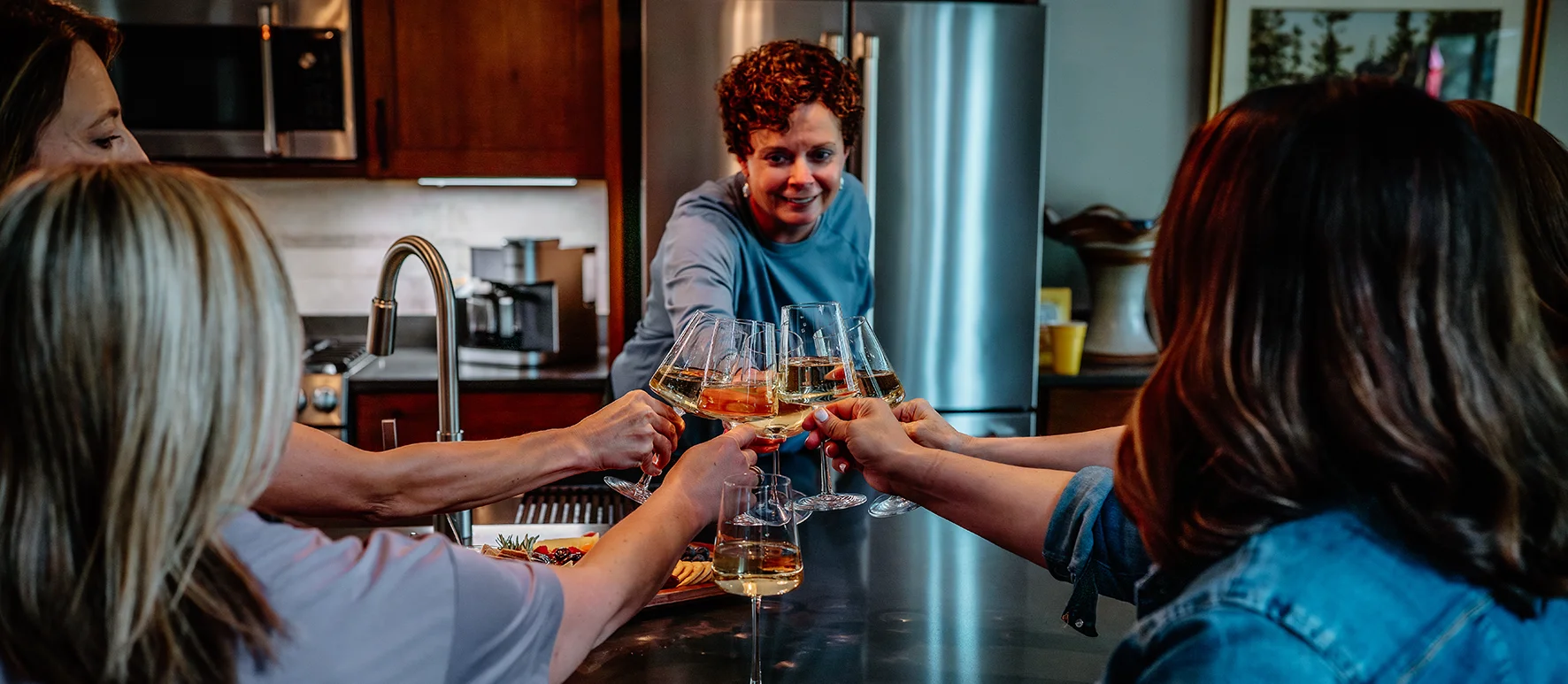
That detail explains more than a shelf of awards. Peterson also diversified a portfolio once heavily dependent on tourism and spent five years planning leadership succession. Jennifer Fritz, previously president, is now President and CEO. The agency's employee ownership and board structure make continuity less dependent on a single heroic founder or buyer.
There are limits to the model. Full-service breadth can become expensive or cumbersome for a client that needs one narrow deliverable at high speed. Montana fluency will not automatically travel to a market where the agency lacks cultural context. Long relationships can become complacent unless measurement remains honest. And the old archive matters only if it sharpens today's decision.
Still, the archive offers a useful rule. The agency kept its habit of listening and discarded the machinery around it. It kept local relationships and changed the channels. It kept independence and changed who held responsibility. It kept the building and gave up some of the space.
The Wendt Agency is older than sliced bread. That is a good line. The better fact is that it never tried to preserve the sandwich.