Two weeks before more than 200 employees of West Virginia’s WIC program were due at Snowshoe Mountain Resort, part of the plan quite literally fell down. A building collapse made the arranged meeting spaces unusable. The ordinary conference checklist - rooms, signs, speakers, meals - suddenly acquired a second column: new rooms, new signs, and shuttle buses to connect what no longer sat together.
This is a useful way to meet The Manahan Group. Not through a logo reveal or a clever television spot, though it makes both, but through the moment when the floor plan becomes fiction. The Charleston agency reorganized the spaces, renegotiated transportation and kept the four-day event moving. The conference later reported 33 percent more exhibitors than WIC’s previous statewide training, helping offset costs.
Advertising is usually presented as an industry of inspiration. In practice, clients pay for someone to remember the shuttle.
The newsroom inside the agency
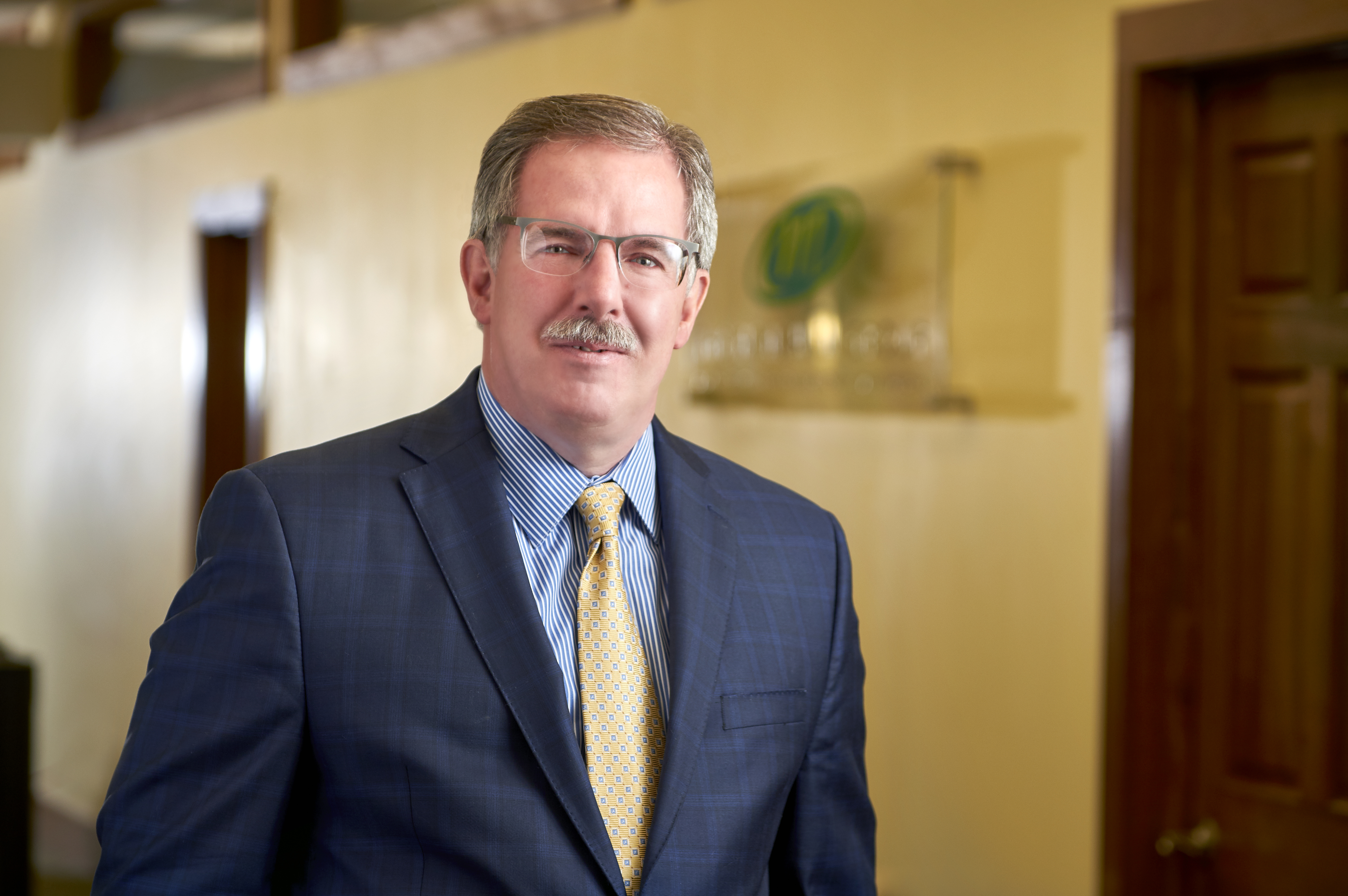
George Manahan arrived in West Virginia from New Jersey in 1979 to attend Bethany College. He became a radio and television reporter, then press secretary to Governor Gaston Caperton. Those jobs teach an unfashionable lesson: the message is only half the work. The other half is anticipating the question, knowing who needs an answer and delivering it before the deadline swallows you.
In 1993, he opened Manahan & Company in a garage apartment on Charleston’s East End. The firm grew, merged with The MBC Group in 1999, and in 2003 Manahan bought the Charleston office back and created The Manahan Group LLC. The path was not the tidy founding myth of a company that simply scaled. It was an edit - build, merge, reconsider, repurchase. The current firm is the result of deciding that a local office could be its own institution.
“No one knows your organization better than you. Our expertise relies on your expertise to be effective.”The Manahan Group, describing its On Target process
Strategy before the grocery cart
The agency calls itself full service, a phrase broad enough to disappear on contact. Here it has a specific meaning. The team handles media planning and buying, public relations, crisis work, strategic planning, creative, web development, social content, event management and motion graphics. It produces television and radio, but also billboards, digital placements, promotional objects and, wonderfully, advertisements on grocery carts.
The organizing device is “On Target,” a five-step planning process that puts people from the client organization in a room with the agency’s strategy team. They work toward agreed goals, audiences, messages and tactics before creative production begins. The transferable idea is almost embarrassingly simple: make the people who know the organization explain it together, and make the decisions visible before anybody starts polishing copy.
expertise
strategy
system
placement
optimize
That sequence matters because The Manahan Group’s market position is not merely creative. It is coordination. A health agency, nonprofit or state institution may need research, a public meeting, a web page, a thirty-second spot, five outdoor sizes, press handling and proof that the ads ran. A specialist can do any one of those jobs. The Manahan Group’s bet is that the expensive mistakes happen between them.
The $4.05 million distinction
In a proposal for West Virginia Lottery work, the agency reported placing $3.01 million in paid media in 2022 and $4.05 million in 2023. Those are client media dollars managed, not agency revenue. The distinction is important. It tells us less about what the company earned than about what passed through its judgment.
The proposal describes tools including Strata, Nielsen research, Choozle and TapClicks. The team studies ratings and audience profiles, negotiates rates and added value, checks reproduction and airtimes, pursues replacement inventory when programming changes, and optimizes digital targeting while the campaign runs. Buying is not treated as the ceremonial end of a plan. It is a monitored operation.
This is where the local advantage becomes practical. A national platform can identify an audience segment. A Charleston buyer who knows the stations, outdoor inventory, sponsorship calendar and geography can also see the friction around it. For statewide or regional work, that combination of data and accumulated vendor knowledge is difficult to download.
A whale, a gorilla and one visual rule
The 2025 Jumbo Cash campaign for the West Virginia Lottery began with scratch-off tickets populated by oversized animals: a whale, gorilla, elephant, octopus and rhinoceros. The agency did not invent a separate metaphor for every channel. It extended the tickets’ hand-drawn world into an animated television spot, radio, digital ads, billboards and retail signs.
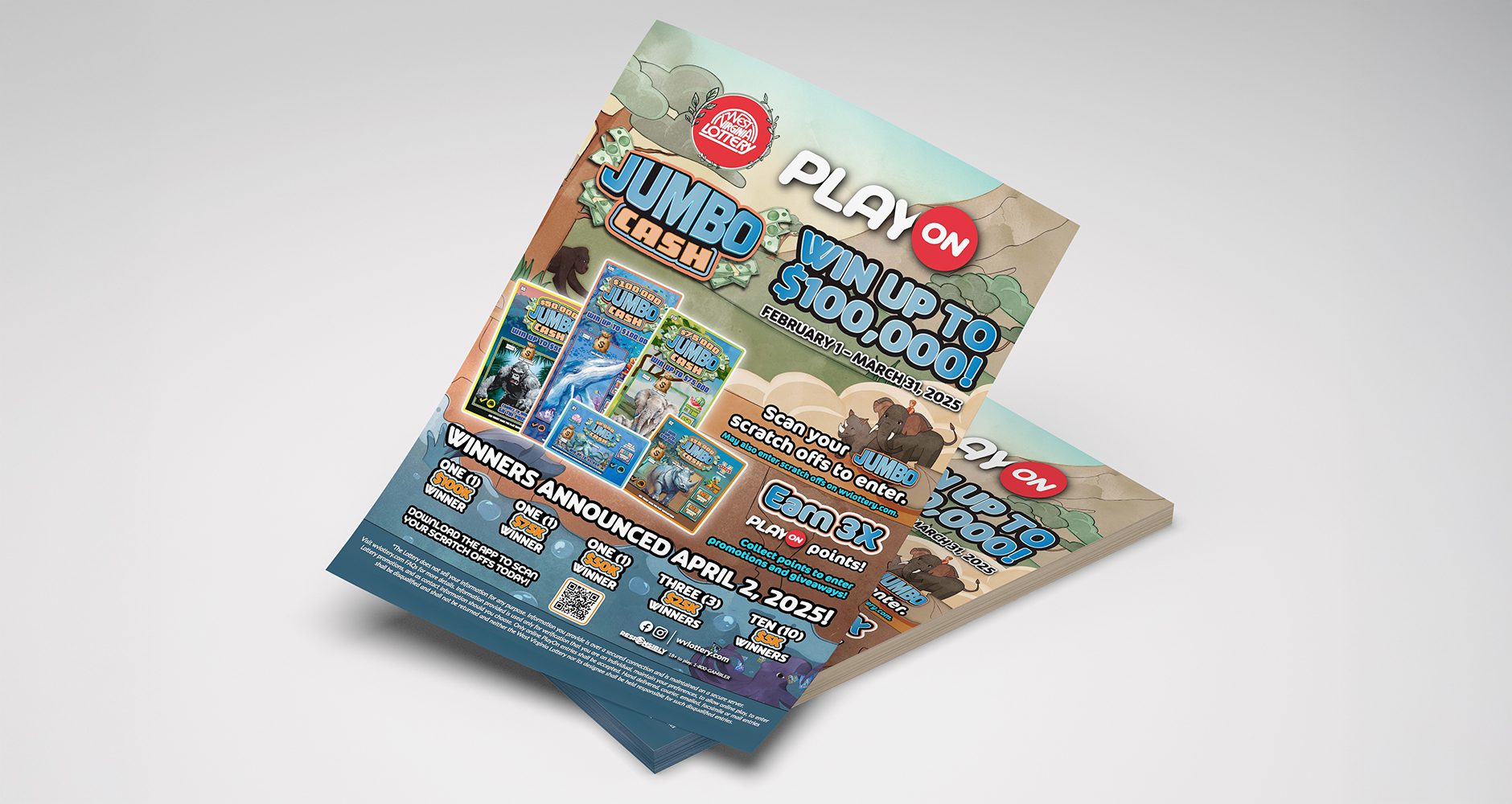
The campaign reported 139 television spots and 4.9 million impressions. An impression is not affection, persuasion or a ticket sale, and the published case study does not turn it into one. But the work demonstrates something readers can copy: when the product already owns a distinctive visual asset, resist the itch to keep reinventing it. Repetition can be the creative strategy.
The line that changed after the diagnosis
The firm’s culture statement is unusually candid: “do good work, make money, have fun and give back.” There is profit in the sentence, alongside cake, cornhole and civic duty. Its final clause became more consequential after Manahan was diagnosed with Parkinson’s disease. He organized the Fox Trot for Parkinson’s Research, built support networks and helped offer free exercise classes through a partnership with Advanced Physical Therapy. In public testimony filed with Congress in 2023, his biography said the race had raised more than $500,000 for the Michael J. Fox Foundation.
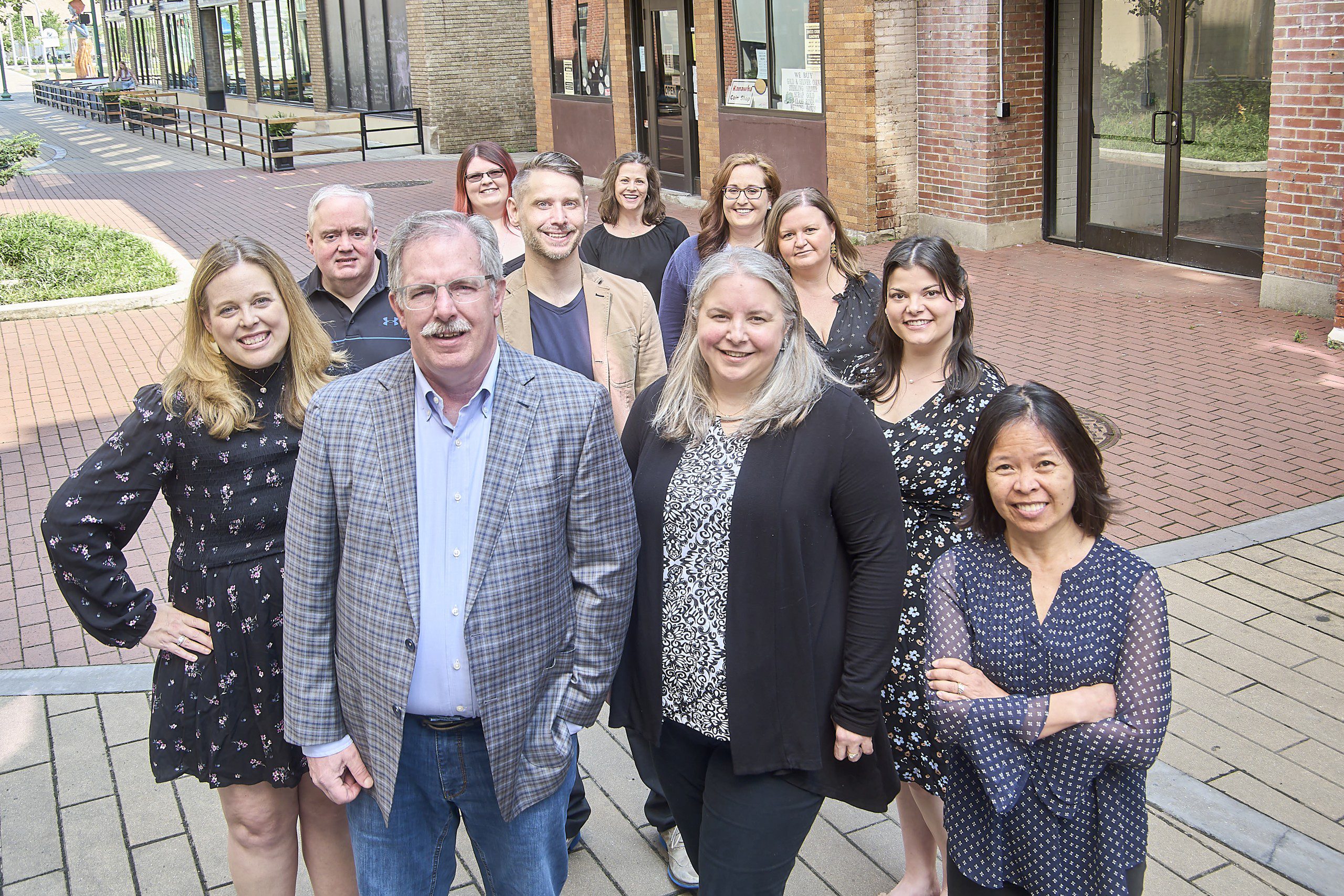
The diagnosis changed the scale of “give back.” What could have remained occasional volunteer work became sustained organizing. It also helps explain why health communication is not just another vertical in the agency portfolio. Recent award-winning work has addressed addiction recovery, respiratory health and WIC training. The company operates where communications can alter whether someone recognizes a service, trusts it or shows up.
“We work on campaigns that are meaningful to the community.”George Manahan
What is actually worth copying
First, turn the client’s knowledge into a formal input instead of treating it as background reading. Second, design one creative system that can survive television, a phone screen, a billboard and a checkout line. Third, keep responsibility after the media order: verify, negotiate makegoods and adjust. Fourth, plan events as operations, not decorations. The collapse at Snowshoe is memorable precisely because the agency’s less visible work became visible.
The approach has boundaries. Proximity is an advantage only when the audience, media market and institution are genuinely understood. A national consumer launch across unfamiliar markets would dilute the local edge. The On Target process also depends on clients who will put knowledgeable people in the room and allow real priorities to be chosen. Without that participation, five steps become five meetings.
The Manahan Group sits in an interesting middle: too broad to be a boutique production studio, far smaller than a national network, and more operational than the phrase “creative agency” suggests. Its customers buy campaigns, but they are also buying fewer seams - between strategy and design, design and placement, placement and proof.
Which brings us back to the shuttle. When the building changed, the plan changed. The objective did not. That may be the cleanest description of what a useful agency does.