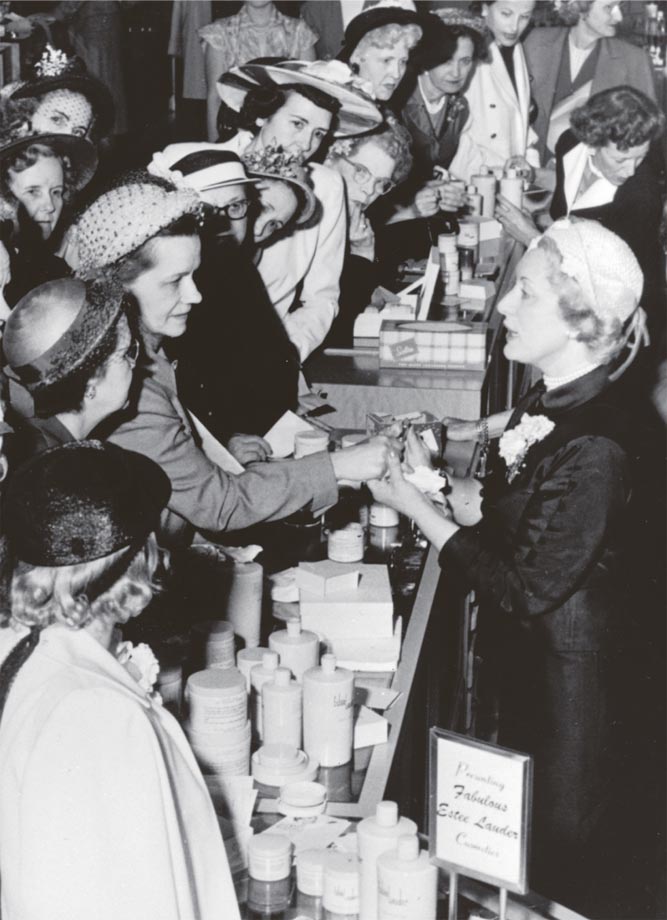
Before the global portfolio, there was a woman waiting under a hair dryer. Estée Lauder sold creams in beauty salons, using the waiting time to demonstrate what was inside the jar. It was a small commercial insight with a long afterlife: a product becomes easier to buy once someone has helped you understand it.
- A beauty portfolio spanning skin care, makeup, fragrance and hair care.
- Distinct brands, backed by shared research, production and distribution.
- A travel retail setback that exposed the distance between shipments and demand.
- A recovery built around reaching shoppers in more places.
The Estée Lauder Companies still sells that understanding, wrapped in different packages. Clinique offers the reassurance of dermatologist-developed routines. M·A·C offers the possibilities of makeup artistry. The Ordinary puts ingredients prominently into the conversation. These are different invitations into beauty, issued by the same parent.
The sample was the sales pitch
Estée and Joseph Lauder launched their company in 1946. She handled products and selling; he handled finance and operations. Their first major Saks Fifth Avenue order, in 1947, was worth $800. The impressive part is the modesty of the number. A business later measured in billions first had to persuade one buyer.
Sampling helped persuade the next person. Estée gave customers something to try and trained beauty advisors to explain it. The logic remains useful: remove a little uncertainty before asking for a purchase. For a cream, texture and application matter. A description cannot do all the work that a demonstration can.
Youth-Dew, introduced in 1953, applied the same attention to buying behavior. Perfume was often something a woman waited to receive as a gift. Bath oil was something she could buy herself. Youth-Dew served both purposes. The company changed the purchase occasion along with the product format.
“I never dreamed about success.
I worked for it.”Estée Lauder
Different jars. Different reasons to buy.
Clinique’s 1968 launch widened the proposition. Its dermatologist-developed, fragrance-free approach gave shoppers a different reason to trust a cosmetics company. Later acquisitions widened it again: La Mer and Bobbi Brown in 1995, Aveda in 1997, Jo Malone London in 1999. ELC assembled a portfolio of recognizable points of view.
That helps explain the coexistence of La Mer and The Ordinary. One occupies luxury skin care; the other emphasizes understandable ingredients and accessible prices. Their promises need not converge. The parent’s job is to provide resources without sanding away the differences that made people interested in the first place.
The business develops, manufactures, markets and sells physical products. Money comes through department stores, specialist beauty retailers, travel retail, salons, brand shops and online sales. Customers buy skin care routines, color, scent and hair care. The corporate name usually stays behind the scenes while the individual brand makes the introduction.
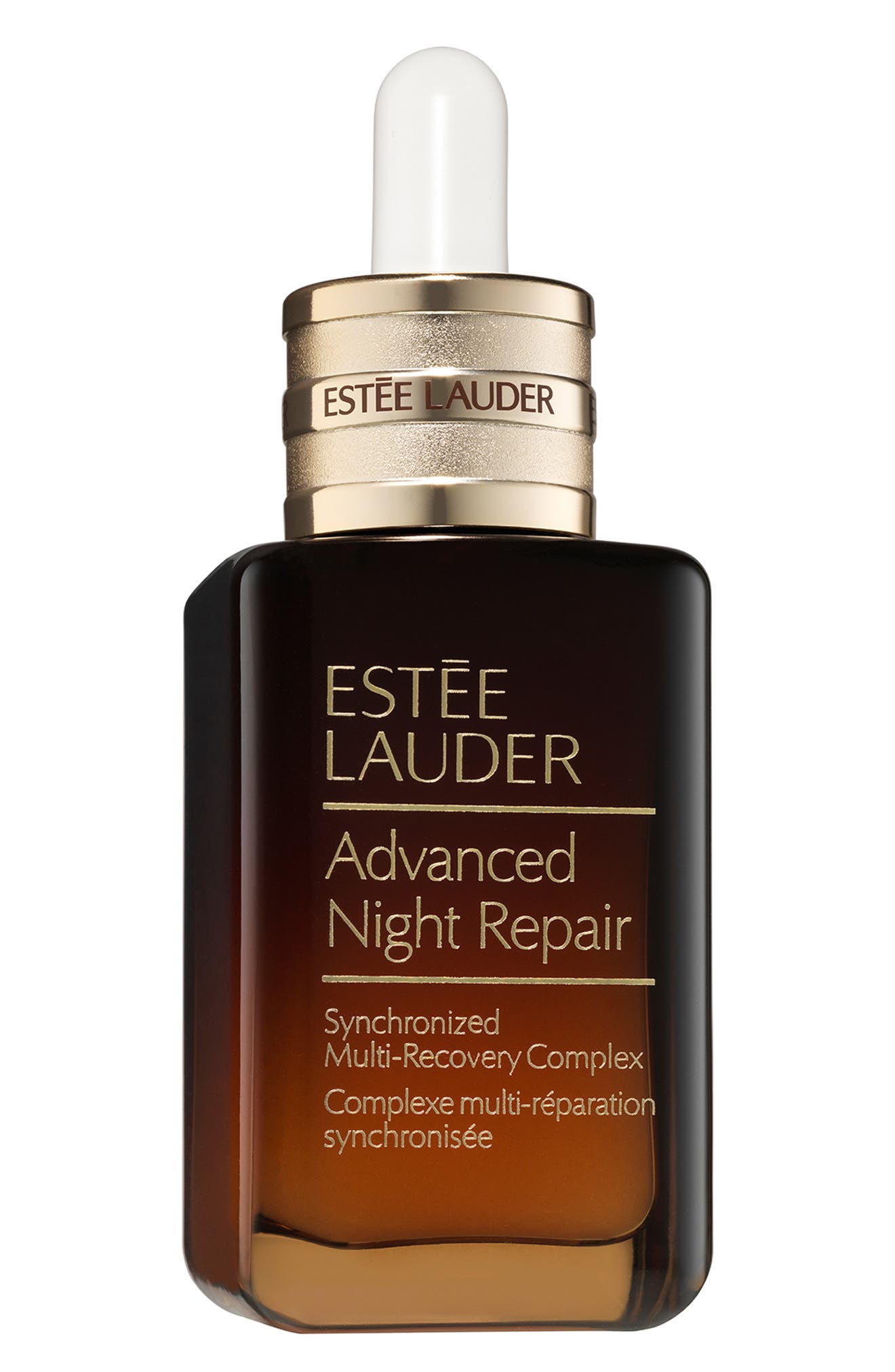
Advanced Night Repair illustrates the appeal of a durable franchise. The original Night Repair arrived in 1982; subsequent versions keep an established name in the routine. Buyers get continuity. The company gets a product story it can develop over years, rather than starting every conversation from zero.
The expensive distance from the shopper
Scale also creates blind spots. In May 2023, ELC lowered its outlook as Asia travel retail recovered more slowly than expected. Inventories in Hainan needed rebalancing. Korean retailers were adjusting to post-pandemic rules. Flights, visas and group tours were returning gradually. A reopened border did not automatically produce a replenishment order.
Here is the distinction any consumer business can borrow: selling goods to a retailer and watching a shopper use them up are separate events. Inventory sits between the two. When too much accumulates, even an admired brand can face a painful interruption in orders. Distribution becomes a source of risk.
The damage became difficult to ignore. Fiscal 2025 net sales fell 8% to $14.326 billion. The company recorded a $785 million operating loss. Those figures describe a business with real products and real customers whose existing arrangement was no longer delivering acceptable results.
A new counter, wherever you shop
President and CEO Stéphane de La Faverie introduced Beauty Reimagined in February 2025. Its priorities included wider consumer coverage, quicker innovation and more spending that shoppers could actually see. The implication was practical: a prestige brand has to show up where people choose to discover and buy beauty.
This did not begin with a single platform. In 2021, the flagship brand expanded its QVC relationship into broadcast and streaming demonstrations. In 2024, ELC and Microsoft announced an AI Innovation Lab to help employees retrieve information and support innovation. Different tools addressed selling, internal knowledge and speed.
By fiscal 2026, ELC reported 13 brands on Amazon across 11 markets and 12 on TikTok Shop across nine. Annual sales grew 5% as reported and 3% organically. Yet the repair was costly: cumulative restructuring charges reached $1.4 billion, with approximately 10,000 net position reductions anticipated.
Make trying easier. Keep each brand’s promise clear. Measure what customers buy again.
What the bottle cannot fix
Nor is acquisition a cheap substitute for those tasks. The TOM FORD transaction carried a $2.8 billion enterprise valuation. ELC’s staged DECIEM investment totaled approximately $1.7 billion, net of cash. Those purchases brought brands and intellectual property; they still required careful management of products, inventory and customer relationships.
Against alternatives such as L’Oréal Luxe, Shiseido and Puig, ELC competes through its particular collection of brands and the capabilities behind them. For shoppers, the practical benefit is choice: a routine, a shade, a fragrance, an advisor. Ownership alone supplies no reason to prefer one bottle.
The useful lesson is conditional. Sampling needs margins and repeat purchases to pay for it. Wider distribution needs genuine demand to prevent excess stock. Shared operations need room for distinct identities. Estée’s salon demonstration remains instructive because it begins at a manageable distance: close enough to see whether the customer is interested.