prestige-beauty
(9)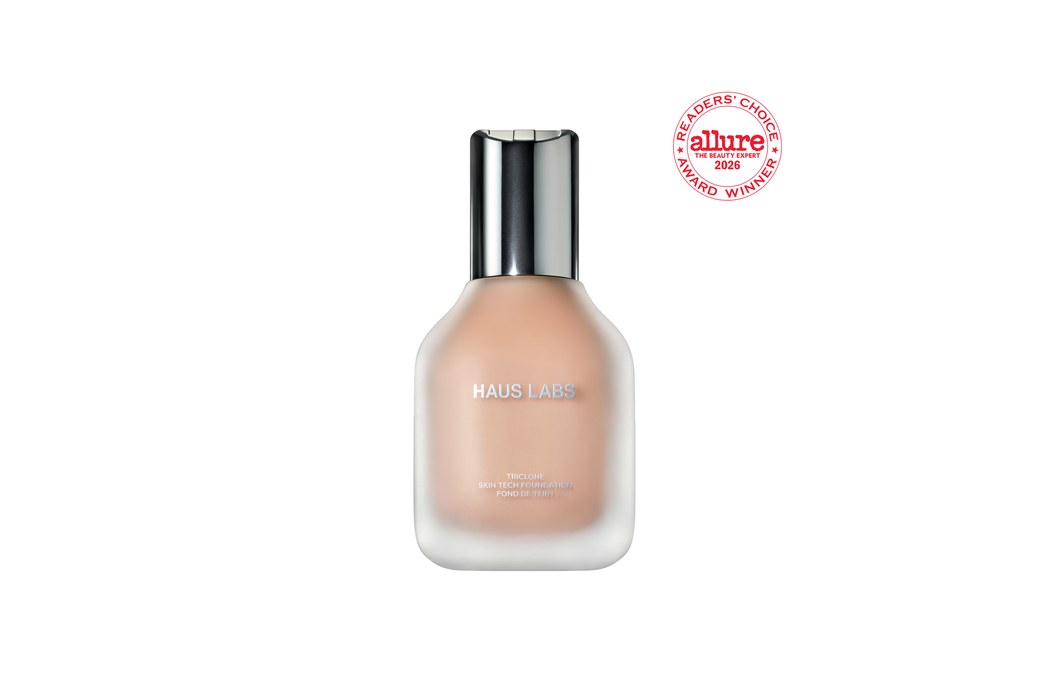
Lady Gaga Burned Down Her Own Makeup Brand - Then It Grew 400%
Haus Labs failed quietly on Amazon. Then Gaga and CEO Ben Jones threw out every formula, moved to Sephora, and bet the company on fermented arnica and 51 shades.
The Beauty Roll-Up Betting the Next Category King Is Hiding in Plain Sight
Performance Beauty Group has assembled a portfolio around the eye - then built the factories, data loops and retail relationships to make small brands travel. Its wager is that discipline, not endless launches, can turn founder energy into durable category authority.

TULA Made the Microbiome a Beauty-Aisle Business
A gastroenterologist turned the skin microbiome into a prestige-beauty proposition. Twelve years, thousands of retailer doors and one P&G acquisition later, TULA is testing whether “balance” can remain distinctive in a crowded skincare aisle.

Tatcha Put a Two-Minute Ritual in a Purple Jar
A blotting paper became a prestige skincare brand, a reported $500 million exit and a lesson in how ritual can be product design. Tatcha now has to keep intimacy intact while selling through more doors than ever.

Briogeo Put Skincare Logic in the Shampoo Aisle
Nancy Twine turned family beauty recipes, a finance career and one stubborn consumer problem into a nine-figure haircare business. Briogeo's cleverest move was treating every scalp and strand like a specific case, not a generic hair type.
Makeup by Mario Turned the Makeup Chair Into a Global Counter
Mario Dedivanovic spent two decades teaching people how to sculpt a face. His company packages that know-how into products, instructions and an unusually tight partnership with the retailer where he got his first beauty job.

Orveon Global
Orveon is a four-year-old company built from three beauty brands with nearly a century of combined history. Its wager is that sharper digital retail, patient product renovation and a shared operating engine can make familiar names feel current again.
Sephora
Sephora took beauty out from behind the counter and turned discovery into an operating system - part store, part laboratory, part media channel. Now the LVMH-owned retailer is using loyalty, technology and global reach to decide what prestige beauty looks like next.
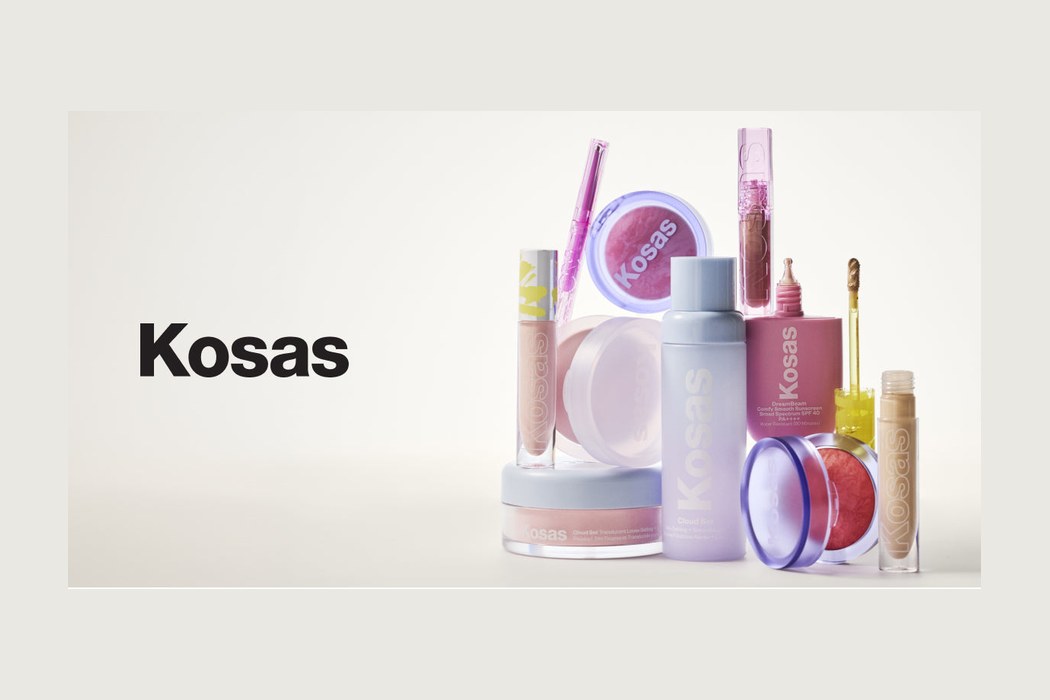
Kosas
A bug taxonomist turned four kitchen-table lipsticks into a $150 million makeup company - by insisting cosmetics do the work of skincare.