Consider the surgical pen. It is an unassuming object with a surprisingly awkward assignment: translate what a surgeon sees into a mark on a patient. Under fluorescence imaging, blood flow becomes visible on a screen. Ordinary surgical marks do not. The surgeon can identify the territory, yet struggle to draw its borders.
- TauTona builds medical technologies with its own development team.
- Its buyers have included Novadaq, LifeCell and Allergan.
- The portfolio mixes cleared devices with experimental therapies.
TauTona Group developed a marker whose tip could be seen on the fluorescence display. Novadaq bought the technology in September 2013. A mismatch between two familiar tools had become something worth buying. This is a useful place to begin understanding an investment firm founded by surgeons: the problem is small enough to explain before anyone finishes their coffee.
The fund that does the work
Geoffrey Gurtner and Michael Longaker founded TauTona in 2010. Both brought backgrounds in surgery and research at Stanford. Gurtner’s interests included wound healing; Longaker’s included tissue regeneration and stem cell technologies. Their company occupies the space between an academic discovery and a medical product someone can actually manufacture, evaluate and distribute.
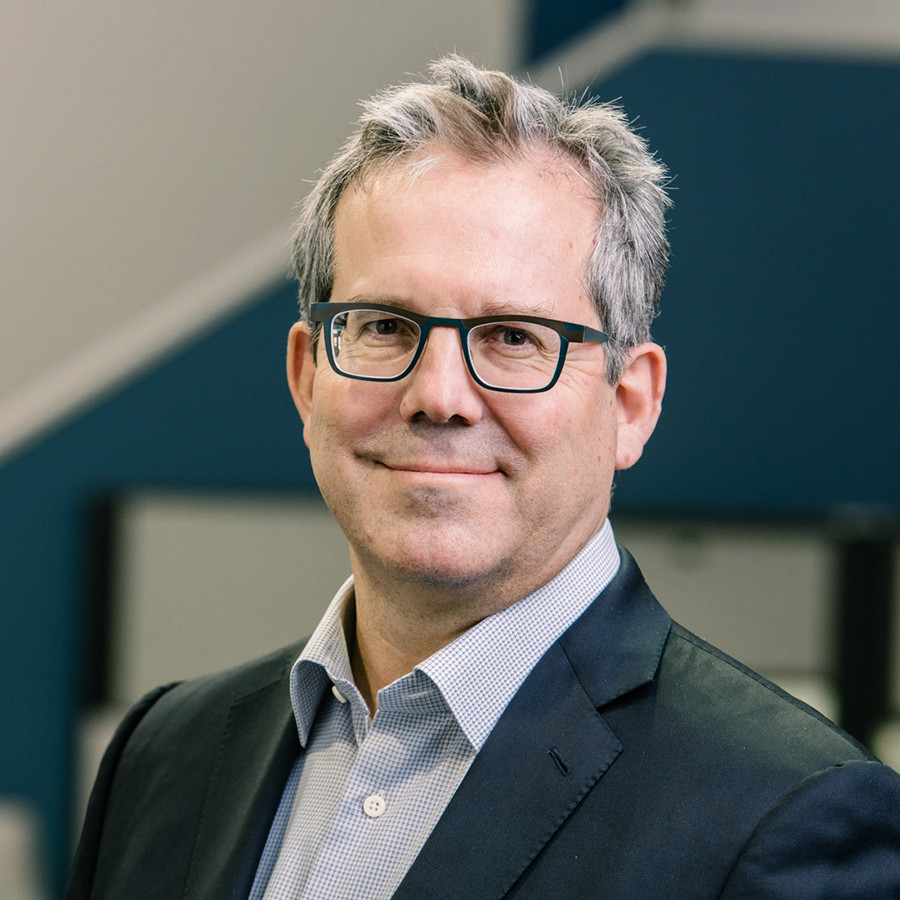

The firm calls itself an operational fund. It generates ideas, supplies investment and develops technologies internally. Projects share resources, rather than each carrying an entire independent development organization. Its published process includes preclinical work, sterilization, biocompatibility, intellectual property and regulatory clearance. Possible destinations include a spinout, a strategic investment or an acquisition.
“Our fund dollars go directly to the development of our products.”
TauTona Group / its investment approach
There is an economic argument underneath that structure. TauTona says large healthcare funds can neglect opportunities in markets smaller than $250 million. A worthwhile clinical improvement may look uninteresting beside a giant fund’s return requirements. Sharing specialist development resources is TauTona’s proposed way to make those smaller opportunities feasible. Its advantage depends on keeping the work proportionate to the eventual market.
The team page makes the required expertise tangible. Alongside the founders, TauTona lists Mike Blanchette in operations, Kellen Chen in research, Susan Hale in quality and regulatory work, and Marta Bulaich in marketing development. That combination gives the investment model its practical meaning: a promising mechanism must become a reproducible device with a route through evaluation and into a buyer’s business.
Two deals. Different kinds of dollars.
The tissue injector makes this concrete. Fat grafting moves a patient’s own tissue to another part of the body. Delivering that tissue can mean repeated syringe handling and careful placement of small quantities. TauTona developed a trigger-operated device to control delivery, helping the surgeon concentrate on where the tissue goes. LifeCell bought the associated assets in January 2014.
LifeCell’s public filing records $3 million paid at closing, with up to $31.5 million more available through specified milestones. It also records a $1.5 million milestone payment during 2014. The distinction matters: a possible future payment is conditional. It should never be quietly added to the money already received.
Another transaction followed. Aline Aesthetics developed hyaluronic acid in the form of a resorbable thread, intended for placement beneath wrinkles. Allergan’s 2014 filing records a $10 million upfront acquisition of assets from Aline and TauTona, plus potential milestone payments. The technology was still under development and had not achieved regulatory approval. The buyer was purchasing an opportunity with work remaining.
Those deals explain the customer relationship. Medical companies buy technology and development assets; surgeons are intended users, and patients are intended beneficiaries. TauTona supplies inventions that can fit another company’s portfolio. This route makes a potential commercial partner’s needs relevant well before a product reaches the operating room.
The first move matters
Its newer surgical projects return to the practical difficulties of performing a procedure. The TauTona Pneumoperitoneum Assist Device, or TPAD, uses suction to help lift the abdominal wall during Veress needle access for laparoscopy. The intended operation has yet to begin; the immediate task is getting access to the space where it will happen.
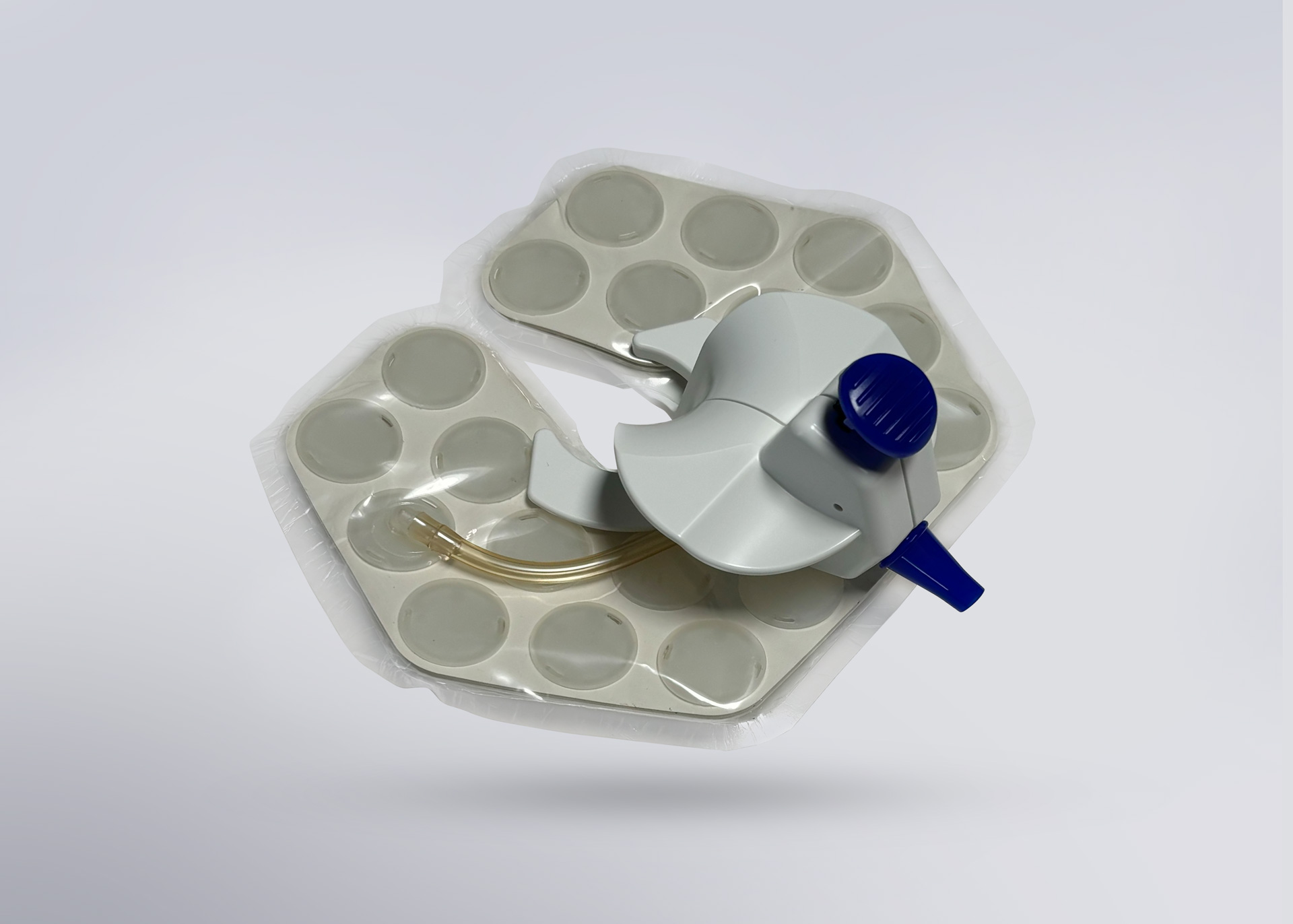
The FDA recorded TPAD clearance decisions in January and October 2024. BioBolt, meanwhile, addresses fastening mesh during hernia repair, including solid meshes that conventional staplers cannot affix. TauTona describes a design intended to replace lengthy suturing with faster fixation. Its advertised time savings remain company claims, rather than a universal promise about surgical outcomes.
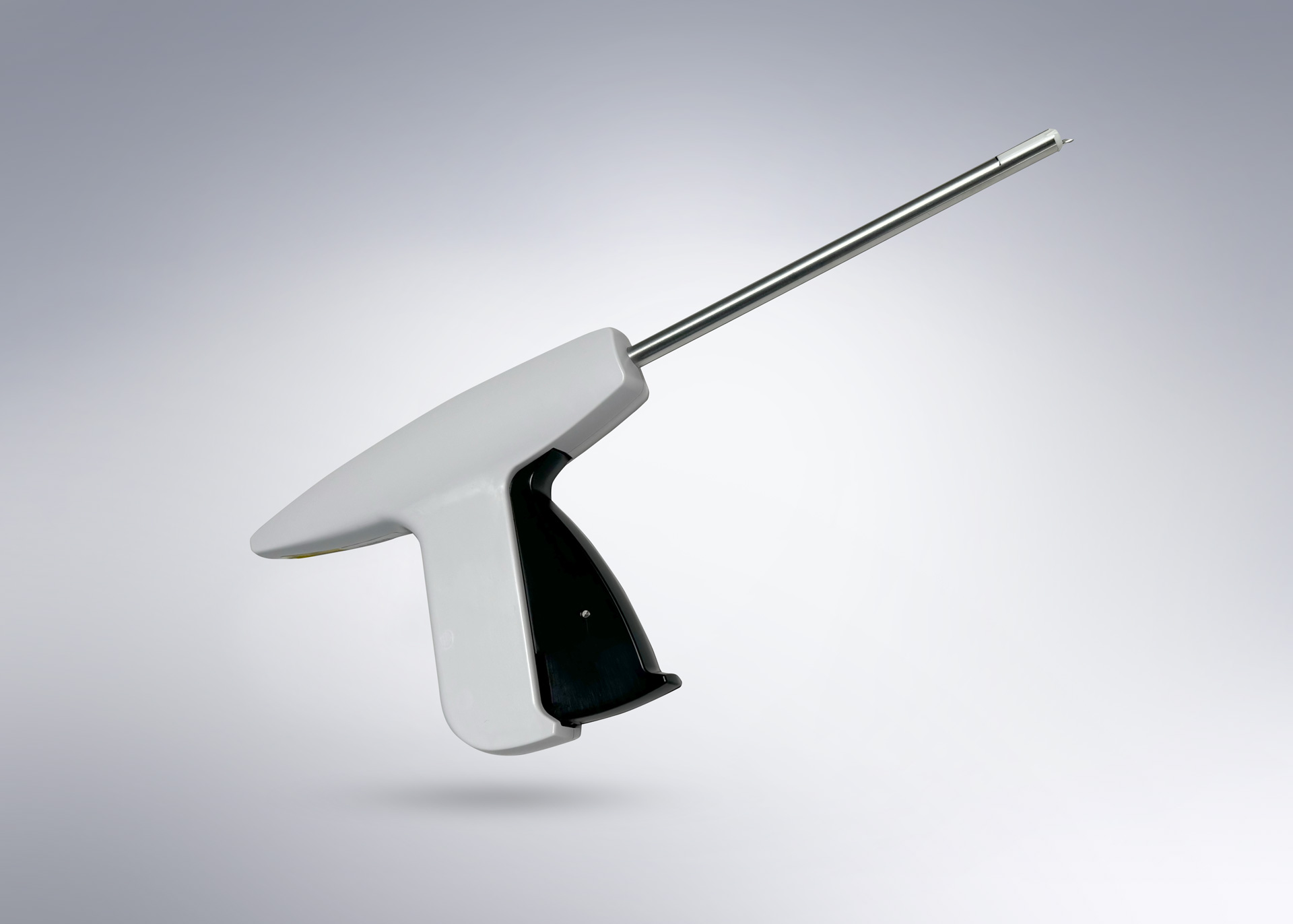
A March 2026 Flinn Foundation directory entry listed BioBolt Medical, led by Kellen Chen, seeking $500,000 in seed funding. It described completed hard tooling and final tests for 510(k) clearance. That places the device at a particular development milestone. The funding request itself establishes neither a completed investment nor regulatory clearance.
The patch needed patients
Wound care adds a different challenge. TauTona’s Theris patch grew from research into topical deferoxamine for sickle-cell leg ulcers. Its D-SCOUT study was designed to compare a drug-delivery patch with placebo. The registry ultimately marked it withdrawn for lack of enrollment, with zero actual participants. Recruitment stopped that study before it could establish a treatment result.
The company also describes a pullulan-collagen wound dressing, a porous scaffold intended to support a moist wound environment and potentially deliver cells or small molecules. Here, the material and its delivery are part of the same problem. A useful substance still needs a practical way to reach and remain at the place where it is supposed to help.
This is also where the shared-resource model meets its limits. As the withdrawn patch study illustrates, clinical development depends on people outside the workshop. A device buyer, a hospital and a trial participant each have different reasons to say yes. Treating their decisions as part of development, early enough to affect the design and budget, is a reasonable lesson to draw from this portfolio.
Watch the workaround
The lesson worth borrowing is to observe the repeated chore: marking a border, changing a syringe, attaching a mesh. Then identify who would use the improvement, who would buy it and what evidence each needs. TauTona’s record also exposes the conditions: manageable development costs, recruitable studies and a credible commercial destination. Even a beautifully specific invention has to survive all three.