wildfire-detection
(4)
Muon Space
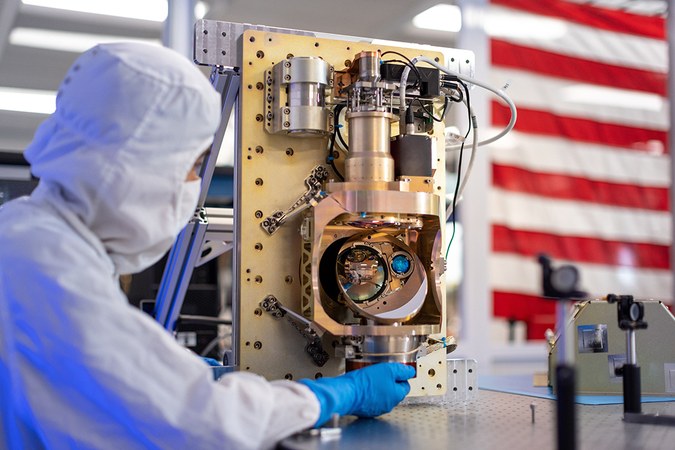
Muon Space is a Mountain View-based end-to-end space systems company that designs, builds, and operates mission-optimized satellite constellations for climate, defense, and Earth intelligence customers. Its Halo platform pairs the modular MuSat spacecraft bus with MuOS middleware and the MuSim digital twin, anchoring high-profile programs like Google's FireSat wildfire constellation and a $44.6M U.S. Space Force environmental monitoring agreement.

Jonny Dyer
Jonny Dyer is the Co-Founder and CEO of Muon Space, a Mountain View-based end-to-end satellite constellation company building mission-optimized spacecraft for Earth intelligence, wildfire detection, and national security. A Stanford mechanical engineer who pitched varsity baseball and co-authored rocket propulsion models, he turned Skybox Imaging into Google's $500M acquisition, ran Google Maps' data collection fleet, led Lyft's autonomous vehicle platform, and then founded Muon in 2021. The company has raised $146M in Series B funding and operates a growing constellation including FireSat - a 50-satellite wildfire-monitoring system developed with Earth Fire Alliance.
Pano AI
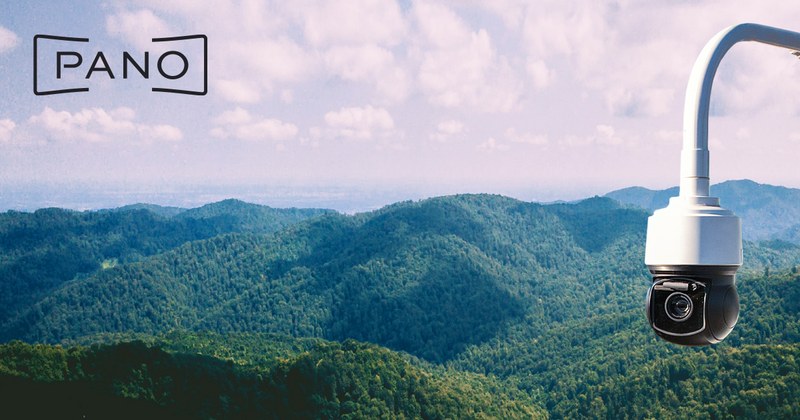
Pano AI builds an integrated platform for early wildfire detection and situational awareness, combining 360-degree ultra-high-definition mountaintop cameras, satellite feeds, field sensors and AI models to spot fires within minutes of ignition. Used by fire agencies, electric utilities, governments and private landowners, Pano monitors nearly 30 million acres across the US, Canada and Australia from its San Francisco headquarters.

Sonia Kastner
Sonia Kastner is the Co-Founder and CEO of Pano AI, a San Francisco-based climate technology company building AI-powered wildfire early detection and response infrastructure. Combining 360-degree mountaintop cameras, satellite imagery, and deep learning AI with a 24/7 human intelligence center, Pano AI monitors 24-30 million acres across the U.S., Australia, and Canada - alerting first responders to over 100 fires annually. Named to TIME's 100 Most Influential Companies of 2025, recognized on BBC's 100 Women 2023, and a World Economic Forum Technology Pioneer, Kastner brings a Harvard physics degree, Stanford MBA, and deep hardware/supply chain experience from Nest, PAX, and NYC government to the frontier of climate resilience.