uc-berkeley-phd
(8)
Vivek Nair
Vivek Nair is the co-founder and CEO of Multifactor (YC F25), an applied cryptography company building zero-trust authentication, authorization, and auditing for AI agents. He earned his Ph.D. in Computer Science from UC Berkeley at 22 as a Hertz Fellow, published landmark work on privacy in virtual reality, and served as a technical lead in cyber units at the Department of Defense and CIA before starting the company.
Jasper Zhang
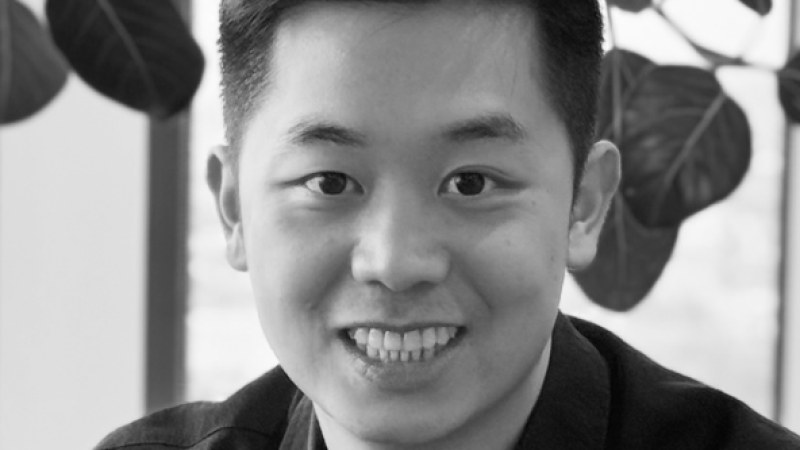
Jasper Zhang is the co-founder and CEO of Hyperbolic, an open-access AI cloud and GPU marketplace based in San Francisco. A math prodigy who won gold medals at the Chinese and Russian Mathematical Olympiads and finished a UC Berkeley math PhD in two years, he moved from quantitative research at Citadel Securities to blockchain research at Ava Labs before founding Hyperbolic in 2022 with Yuchen Jin. His mission: make large-scale AI compute affordable and available to anyone with an idea, from students to enterprises.
Andrew Jones
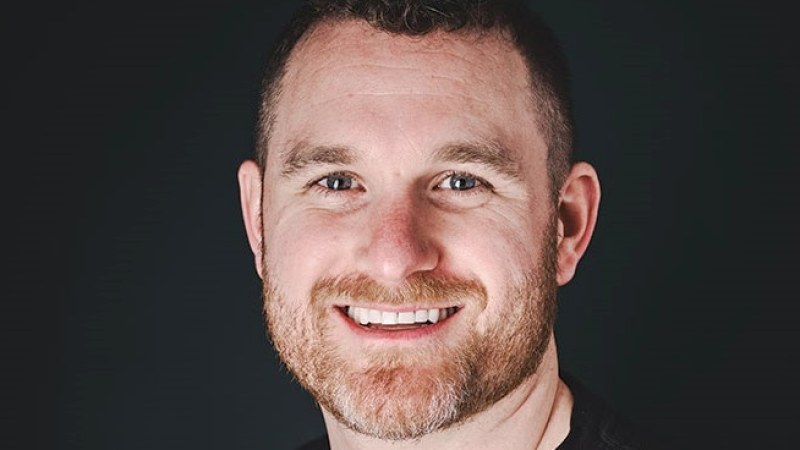
Andrew Jones is the co-founder and CEO of Carba, a Minneapolis-based carbon-removal startup that turns waste biomass into a durable, charcoal-like biocarbon and buries it to lock away CO2 for more than 1,000 years. A chemical engineer with a PhD from UC Berkeley, Jones invented Carba's patented low-energy pyrolysis and storage process and describes the work as 'reversing the coal mining process.' He previously founded and exited Activated Research Company, and has steered Carba from a 2021 lab idea to a working molten-salt reactor at a Burnsville landfill, a multi-year carbon-credit deal with Microsoft, and a goal of removing a gigaton of CO2 a year.
Shawn Dastmalchi
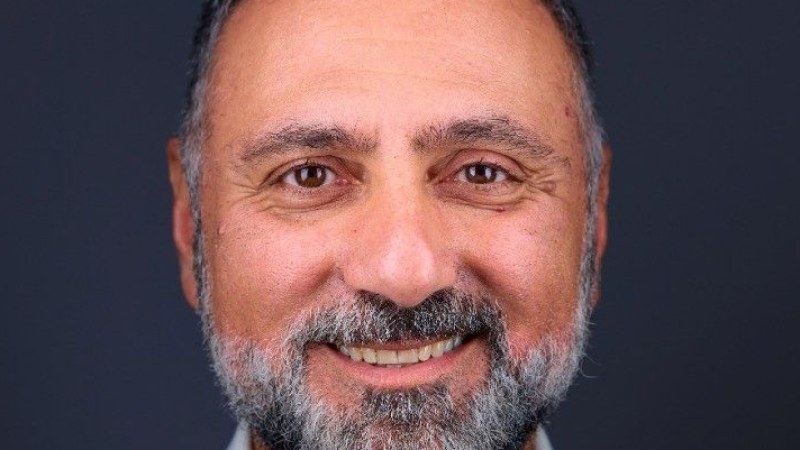
Shawn Dastmalchi is a serial healthcare-technology entrepreneur and the CEO of Gratia Health, an Austin-based startup that uses behavioral science and incentive design to keep nurses on the job. A UC Berkeley PhD in vision science, he co-founded and led Apixio, a clinical big-data company later acquired by Centene, then built Ark.one Health out of an entrepreneur-in-residence stint at Sutter Health. Across 25-plus years in life sciences, medical devices and health IT, his throughline is turning messy clinical data into decisions - and, at Gratia, turning the daily grind of a hospital floor into reasons for nurses to stay.
Alla Zamarayeva
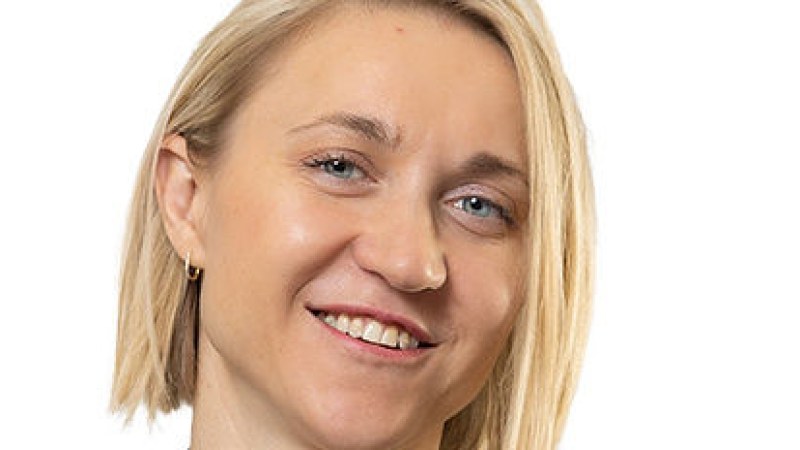
Alla Zamarayeva is the co-founder and CEO of CellFE, a Bay Area biotech building a non-viral, microfluidics-based platform for engineering human cells. A UC Berkeley engineering PhD and former Goldwater Scholar, she spun a piece of academic research she stumbled onto during her doctorate into a company aiming to make cell therapies cheaper, gentler, and eventually available at the point of care. In 2023 she led CellFE to a $22 million Series A backed by M Ventures, and she is steering the company toward redefining how gene-edited cell therapies are manufactured.
Cheri Ackerman Araromi
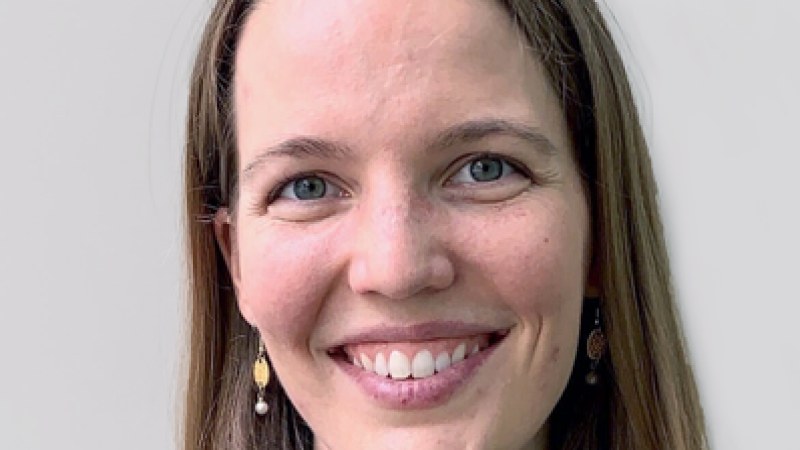
Cheri Ackerman Araromi is the cofounder and CEO of Concerto Biosciences, a Cambridge, Massachusetts biotech that reads the social lives of microbes the way a producer reads a band. Using kChip, a droplet screening platform she helped build during her postdoc at the Broad Institute, Concerto tests how thousands of microbial combinations interact and assembles the winning ensembles into products for skin health, agriculture, and beyond. A Hertz Fellow with a Berkeley PhD in chemical biology, she frames the future of medicine as building healthy ecosystems rather than killing bad cells with toxins.
Deepak Pathak
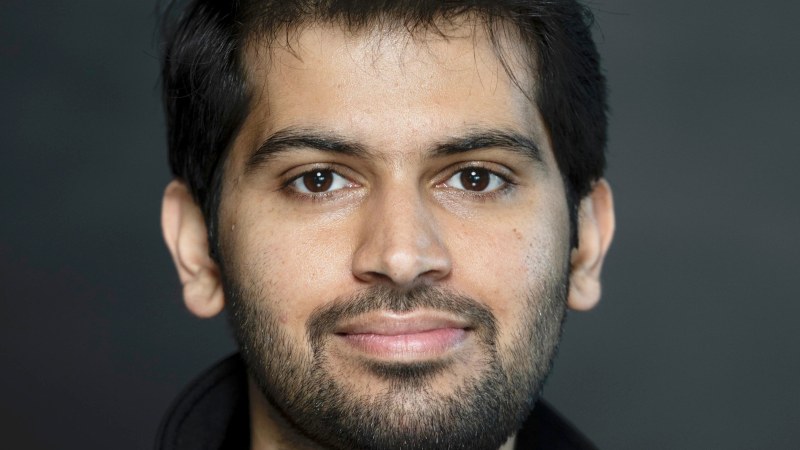
Deepak Pathak is the co-founder and CEO of Skild AI, the Pittsburgh robotics company building a single general-purpose 'brain' that can run any robot from a quadruped to a humanoid. A Raj Reddy Associate Professor at Carnegie Mellon, he earned a gold medal at IIT Kanpur and a PhD at UC Berkeley before betting that physical intelligence, not language, is the real path to AGI. In January 2026 Skild raised $1.4 billion at a valuation north of $14 billion, backed by SoftBank, Nvidia, and Jeff Bezos.
Tim Swift
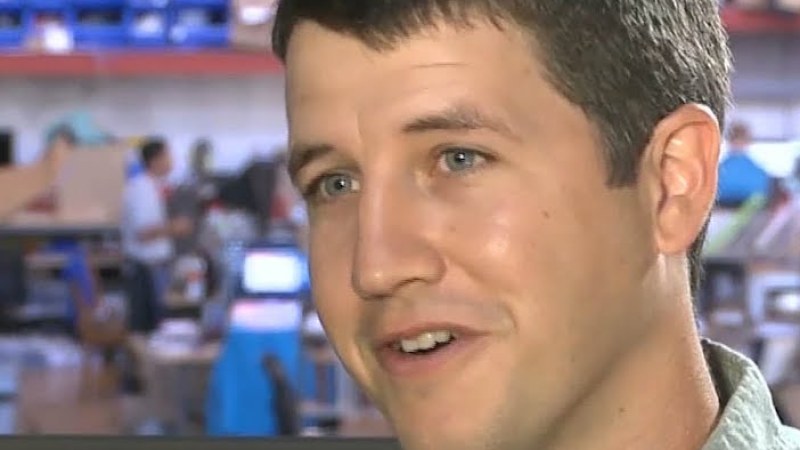
Tim Swift is the founder and CEO of Roam Robotics, the San Francisco company building lightweight exoskeletons out of high-strength fabric and compressed air instead of heavy steel and motors. A UC Berkeley mechanical engineering PhD, he was one of the original three-person team that invented the Ekso exoskeleton at Ekso Bionics, then went to Otherlab before starting Roam in 2014. His bet: that wearable robots can weigh five pounds, cost a few thousand dollars, and be something a regular person buys to ski longer, hike farther, or move with less pain - not a tens-of-thousands-of-dollars hospital machine.