talkdesk
(10)
Why 200 Agents and 5,000 Agents Buy Different AI
The same AI pitch lands in two entirely different buying machines. Here is how to choose a contact center platform for the operation you actually run—not the logo you hope to resemble.
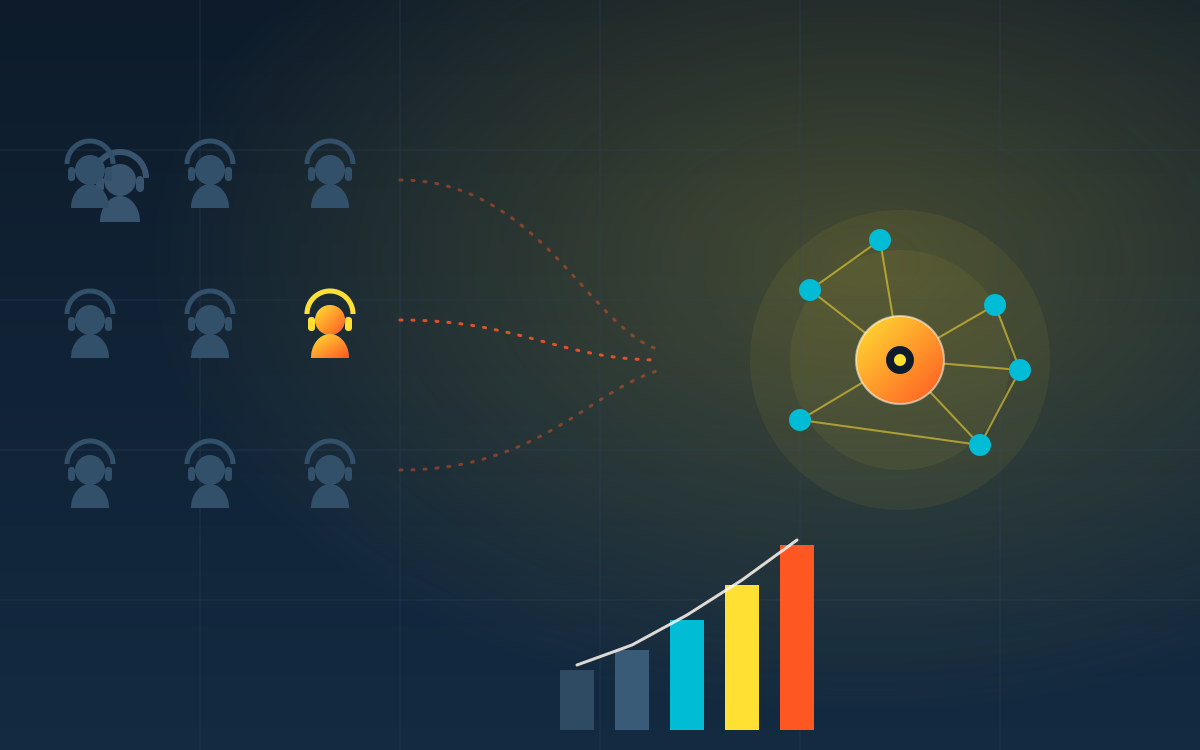
Yellow.ai Is Going Public To Buy The Call Centers It Wants To Replace
The Bangalore-born, San Mateo-based agentic AI company is merging with Bluerock Acquisition Corp in a deal valuing it near $550 million - then spending the proceeds on the human-run BPO firms its software is designed to automate.

The Eight Platforms Deciding Whether You Reach a Human
Talkdesk, Five9, Salesforce, Zendesk, UJET, Convoso, CloudTalk and Broadvoice all promise to handle your customers. Here is what each one is actually built to do - and which business should pick which.

Enghouse Turns Unloved Software Into a Cash Machine
While NICE, Talkdesk, Amazon and Microsoft spend to win the AI contact-center race, Enghouse Systems keeps buying mature software companies and holding roughly 69% recurring revenue at 27% margins. The Markham compounder is boring on purpose.

The $9 Billion Race to Replace the Call Center
Eight software companies - from enterprise giant Genesys to a startup called CloudTalk - are betting the phone call survives. They just disagree on whether a human will still answer it.

The Contact Center Turned Into an AI Battleground in 2025
Talkdesk crashed the leaders' circle, Content Guru now stands alone as a challenger, Cisco slipped, and 8x8 vanished from the map. Gartner's 2025 CCaaS ranking is really a story about AI eating the call center.
The Compliance Tax Nobody Reads on the Invoice
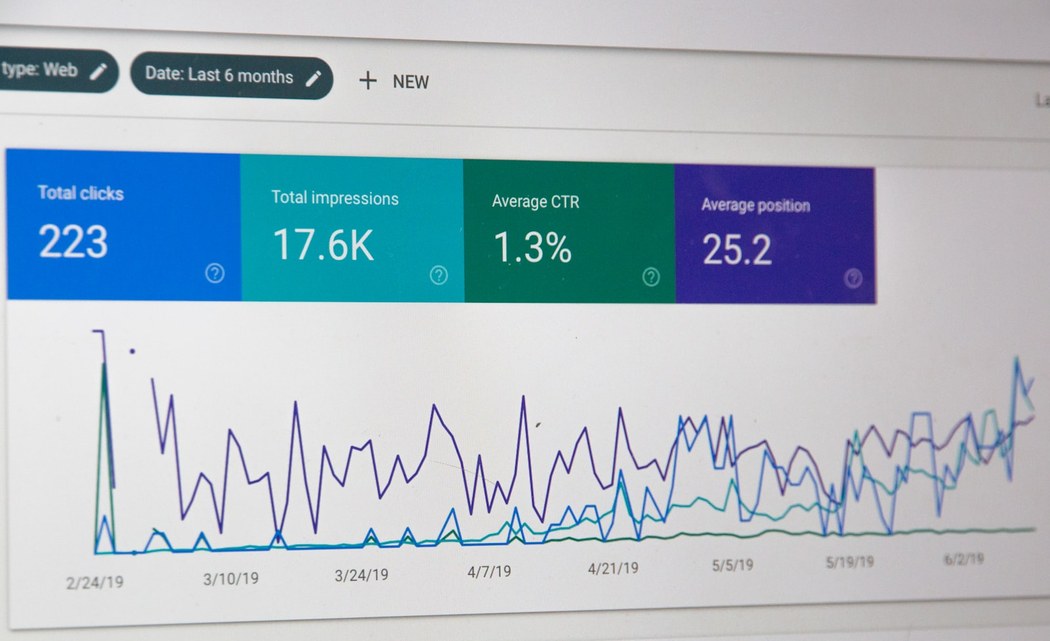
Regulated industries buy contact center software differently. A fintech or lender is not comparing feature checklists, it is asking where customer data lives and who is liable when something goes wrong. This story examines the 'compliance tax' that financial services companies pay for cloud contact centers, and how UJET's CRM-first architecture answers it differently than Talkdesk or Five9 by keeping customer data and PII inside the system that already owns it. Capital on Tap, a UK-and-US business credit provider serving 200,000 small businesses, is the published example: after cycling through three CX vendors in two years, it lifted SLA attainment to 92% on UJET.
The Field Guide Every CCaaS Buyer Wishes Existed
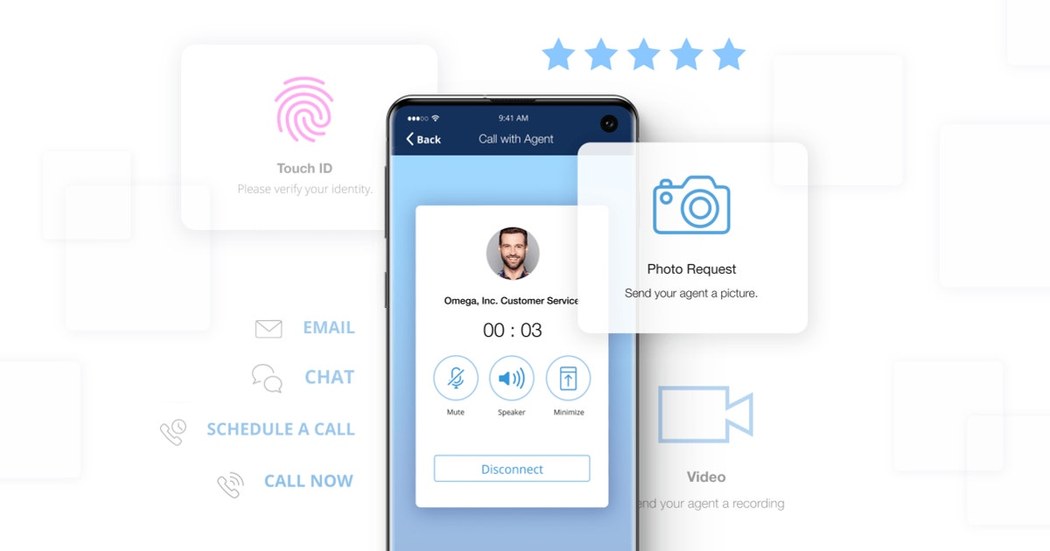
A ranked 2026 field guide to the leading AI-first contact center (CCaaS) platforms, scored across five dimensions that actually matter to buyers: AI architecture, mobile capability, CRM and data security, deployment speed, and pricing transparency. The cohort covers UJET, Five9, NICE CXone, Genesys, Talkdesk, Amazon Connect and 8x8 — with an honest look at which platforms were engineered for AI from the ground up versus those retrofitting it onto legacy stacks.

The Best Customer Service Doesn't Sound Like a Call Center
A field report on the quiet revolution in customer service: the shift away from the scripted, hold-music call center toward conversations that sound human. It maps the companies rebuilding support from the ground up - Genesys, NICE CXone, Five9, UJET, Talkdesk, and Bret Taylor's Sierra - and argues that in an age of AI agents, the winners are the ones who make talking to a company feel less like filing a ticket and more like getting help from someone who remembers you.

The Underdog That Refused to Retrofit
UJET is a cloud-native, mobile-first, CRM-native contact-center-as-a-service (CCaaS) platform positioning itself as the modern 'Experience Center' alternative to legacy giants like Five9, NICE, Talkdesk, and Genesys. Built around enterprise-grade AI, a zero-PII-storage architecture, and two-month deployments, UJET has raised roughly $231M across five rounds at an estimated ~$500M valuation. This story sizes up where the underdog actually stands in a consolidating CCaaS market where every vendor is shouting the same AI promises.