t-cell-engager
(7)
Prolium Bioscience
Prolium Bioscience is a New York-based, clinical-stage biotechnology company developing PRO-203, a bispecific CD20xCD3 T-cell engager designed to deplete disease-driving B cells as an off-the-shelf therapy for severe autoimmune diseases, starting with systemic sclerosis and lupus. Founded in 2025 and backed by RTW Investments, the company in-licensed global non-oncology and ex-Asia oncology rights to the antibody from China's InnoCare Pharma and KeyMed Biosciences, and launched publicly in March 2026 with a $50 million Series A alongside first-patient dosing.
Scott Requadt
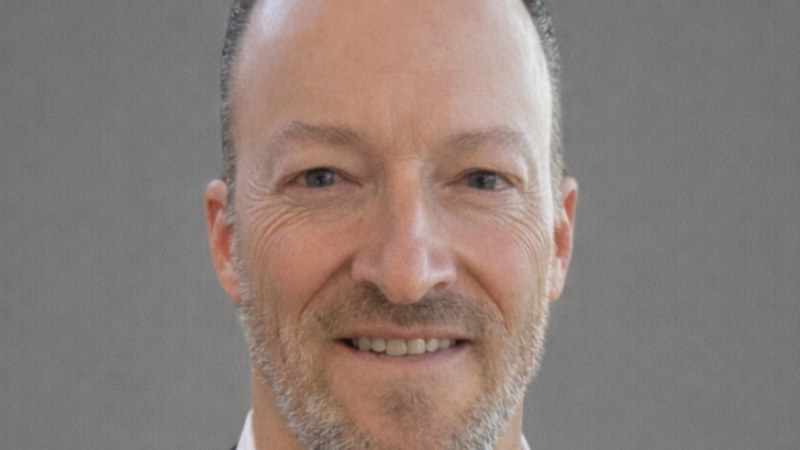
Scott Requadt is the founding CEO of Prolium Bioscience, a New York-based biotech that emerged from stealth in March 2026 with a $50M Series A from RTW and a Phase 1/2-ready CD20xCD3 bispecific T-cell engager, PRO-203, in-licensed from KeyMed Biosciences and InnoCare Pharma for severe autoimmune disease. A lawyer-turned-investor-turned-operator, Requadt spent a decade at Clarus Ventures (later Blackstone Life Sciences) as Managing Director, ran Talaris Therapeutics as CEO from 2018 through its 2023 wind-down, and now sits on the board of ESSA Pharmaceuticals. He trained at McGill, Toronto Law, and Harvard Business School (Baker Scholar), started his career as an M&A attorney at Davis Polk, and has spent the intervening twenty years turning that unusual pedigree into biotech deals.
Han Lee
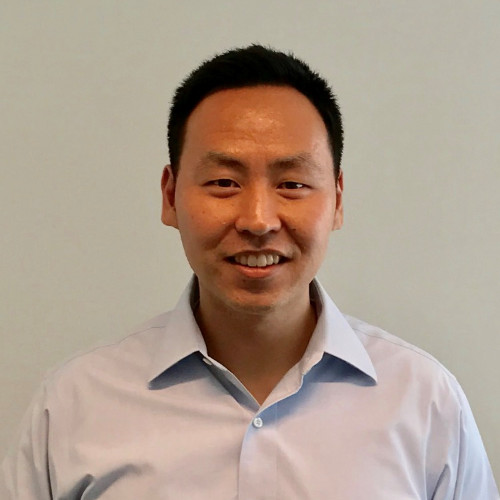
Han Lee, Ph.D., is co-CEO of Vibrant Therapeutics, a clinical-stage biotech building logic-gated, conditionally activated antibody prodrugs designed to switch on only inside diseased tissue. A Yale-trained geneticist with an MBA who can read a sequencing run and a term sheet with equal fluency, Lee spent 15 years as the finance and dealmaking engine behind cell-therapy companies - Arcellx, Neogene, and ImmPACT Bio - steering more than 75 transactions worth billions, including two startup exits to AstraZeneca and Lyell Immunopharma. In January 2026 he joined founder Larry Wang to scale Vibrant globally and push its lead masked T-cell engager, VIB305, into the clinic.

Vibrant Therapeutics
Vibrant Therapeutics (VibrantX) is a clinical-stage biotechnology company building intelligent, logic-gated antibody therapeutics that switch on only inside diseased tissue. By pairing computational protein design with high-throughput wet-lab validation across its BumbleBee, LogicBee and NeuroBee platforms, Vibrant develops conditionally activated, multi-specific antibody prodrugs for oncology, autoimmune, inflammatory and neurological diseases. Its lead program, VIB305, is a logic-gated masked T-cell engager for EGFR-positive solid tumors that has received FDA IND acceptance.

Robert Ross
Robert Ross is a medical oncologist turned biotech executive and the founding CEO of Clasp Therapeutics, a Baltimore-based clinical-stage immuno-oncology company building bispecific T cell engagers that target mutated cancer driver peptides presented by HLA with what the company calls absolute specificity. Launched in March 2024 with a $150 million Series A from Third Rock Ventures, Novo Holdings and Catalio Capital, Clasp is commercializing science from Johns Hopkins legends Bert Vogelstein and Drew Pardoll. Ross previously ran Surface Oncology through its acquisition by Coherus, led oncology at bluebird bio, and trained as a physician at Columbia, Harvard, Stanford and UCSF.

Normunity
Normunity is a clinical-stage biotech building a new class of cancer drugs it calls 'immune normalizers' - antibodies and T cell engagers that target previously hidden mechanisms tumors use to evade the immune system. Founded on the science of Yale immunologist Lieping Chen and led by drug-development veteran Rachel Humphrey, the company runs research at Yale's West Campus in West Haven, Connecticut, and dosed its first patient in 2025.
Rachel Humphrey
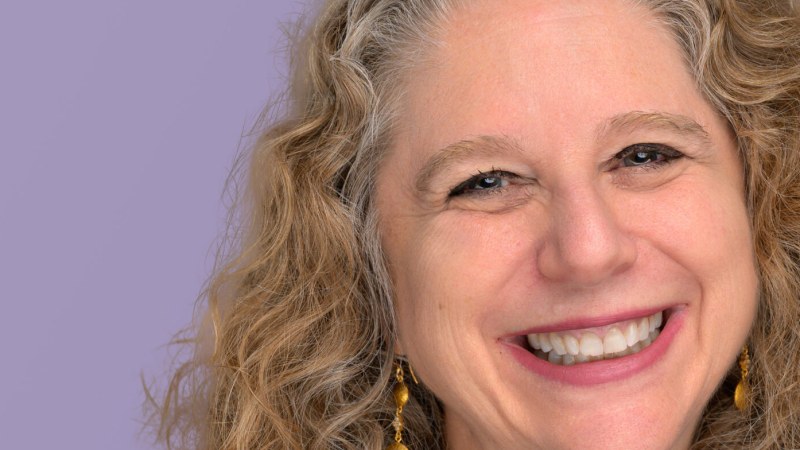
Rachel W. Humphrey, MD, is the founding CEO of Normunity, a Boston and New Haven biotech building a new class of cancer drugs called immune normalizers, drugs designed to free the immune system to attack tumors it normally ignores. Before Normunity she helped bring three blockbuster cancer therapies to patients: Yervoy at Bristol Myers Squibb, Imfinzi at AstraZeneca, and Nexavar at Bayer. She partnered with Yale immunology pioneer Lieping Chen to translate his discoveries at the cancer-immune interface into medicines, raising $65M to launch in 2022 and a $75M Series B in January 2025 to push lead program NRM-823 into the clinic.