startup
(6)
Why Trengo Keeps Picking Fights With a $1.7B Unicorn
Front raised more than $200 million and a unicorn valuation on the promise of a shared inbox. Trengo, bootstrapped out of Utrecht, decided the future was WhatsApp - and started aiming straight at it.

The Marketplace That Grew on Commissions, Not Cash
Tagvenue, the London-born venue-hire marketplace founded in March 2015 by Lancaster University friends Artur Stepaniak and Maksim Kondratjuks, grew into a platform spanning six countries, 22,000+ venues and a million monthly visitors — without ever raising a funding round. This is the story of how a business built on commissions, word-of-mouth demand and disciplined hiring reached global scale on its own revenue instead of venture capital.
The Problem of Love
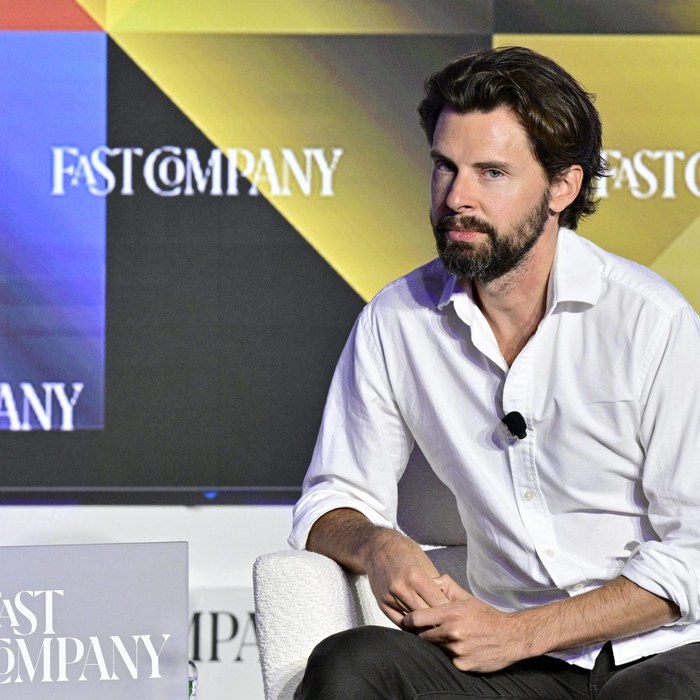
The problem of love is the question at the center of Overtone, the new AI- and voice-forward dating service from Hinge founder Justin McLeod. After more than a decade building Hinge into a $400 million business, McLeod left the CEO seat and raised $18 million to reimagine how technology helps people find a partner. His premise is simple and stubborn: as loneliness climbs, few problems matter more, and the deeper he digs, the more interesting it becomes. Overtone gets to know each person in their own voice and makes only the introductions worth making.

How Jake Built 'Early,' the Push-Up Alarm App Making $50,000 a Month
In this Starter Story episode, host Pat Walls interviews Jake, a 24-year-old self-taught developer and former accountant who built 'Early,' an iPhone alarm clock app where you must do push-ups to turn off your alarm. Launched at the end of 2025, the app went from zero to over $50,000 a month in just four months, racking up more than 200,000 downloads. Jake breaks down how he found and validated the idea, why he shipped an MVP in 19 days, how iOS 26's AlarmKit API made a reliable alarm app possible, and why influencer marketing and top-of-funnel views were the true secret to his growth.
Inside Pallet: Culture, Ownership, and the Race to Automate the Physical Economy
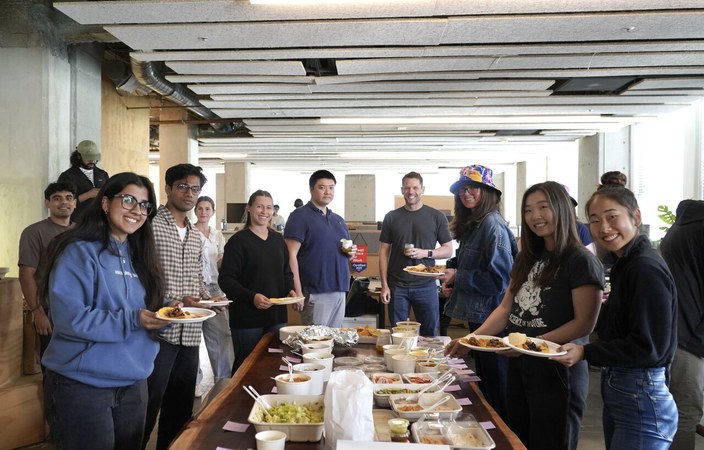
A behind-the-scenes look at the culture of Pallet, an AI logistics-tech company building the intelligence infrastructure for the global movement of goods. Founder and CEO Sushanth and members of the team describe a fast-moving, ownership-driven workplace where decisions are made in meetings and acted on within the hour, where everyone pitches in across engineering, sales, and post-sales, and where the company aims to become a generational logistics AI company. The piece captures Pallet's values, its people-first ethos, and what it feels like to build software that recreates decades-old logistics workflows.
OpenAI's $122B Megaround Shows AI Funding Has Gone Nuclear
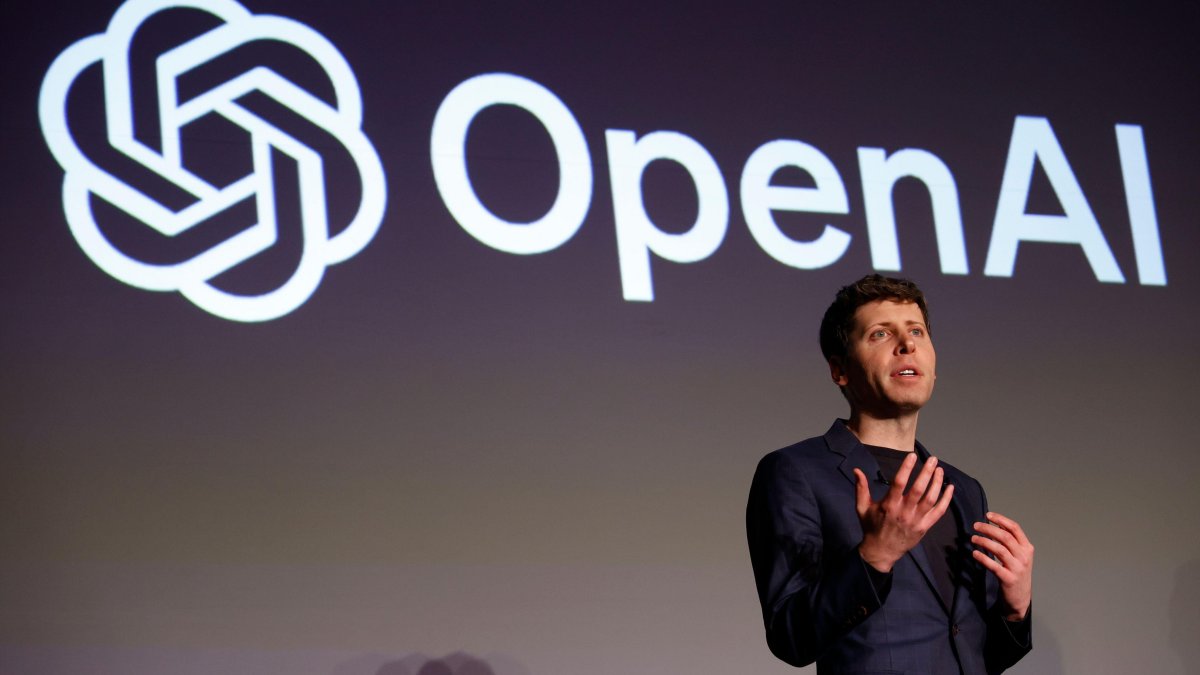
On March 31, 2026, OpenAI closed the largest private funding round in history — $122 billion in committed capital at a post-money valuation of $852 billion. Anchored by Amazon ($50B), Nvidia ($30B), and SoftBank ($30B), with continued participation from Microsoft and a sweeping syndicate of global institutions, the round dwarfs every prior private tech raise and cements OpenAI as the world's most valuable startup by a wide margin. The company is generating $2 billion in monthly revenue, counting 900 million weekly ChatGPT users, and is widely expected to pursue an IPO.