sports-betting
(22)
Ten betting brands. One Amused Group.
Behind Bet Nation, BetDeluxe and eight other Australian wagering brands sits a Melbourne company with its own technology arm. Its bigger bet is on the people and software that can keep the whole portfolio moving.

Smartodds and the cost of knowing more than the market
Matthew Benham’s sports research company turns match observations into betting intelligence. Its £16.6 million revenue tells one story; the people, costs and constant revisions behind it tell another.

Sportech sold the empire. Now comes the Connecticut bet.
After selling its global betting technology and leaving the stock market, Sportech is rebuilding around Connecticut venues and MyWinners. The wager: a smaller company can make more of the customers it already knows.

The Bookmaker Behind the Bookmakers Learned When to Fold
Sporting Group began by letting punters trade a football match like a stock. Three decades and a £103 million takeover later, its lasting asset is less visible: the machinery that helps other bookmakers price risk.

FairPlay Built the Betting Business Hiding Behind the Scoreboard
Oddschecker spent 25 years teaching bettors to shop for a better price. Now its parent is turning that habit, and the data trail behind it, into infrastructure for the rest of sports media.
Reid Rooney Is Building a Sports Media Portfolio for the Fans Who Keep Showing Up
The Betsperts co-founder has made a quiet wager on loyalty: buy useful sports brands, respect the people already inside them, and let community compound.

Betsperts Built a Sports Media Portfolio by Learning When to Leave Good Communities Alone
The Chicago company raised millions to build a social betting app. Its more durable idea was quieter: buy beloved niche sports brands, keep their identities intact and sell useful tools to the fans who already live there.
Fanatics Wants Every Fan Moment - and Every Transaction Around It
The jersey seller has become a sports operating system, linking 100 million-plus fans to merchandise, cards, wagers, events and media. Its next contest is proving that one account can hold all of fandom without flattening what makes fans care.

Jennifer Weissman Bets on the Thrill, Not the Jackpot
The CMO of PENN Entertainment has spent a career learning what actually pulls people back to the casino floor - and the app - and it is not what most people assume.
The Cleveland Casino Company That Shrunk Its Map - and Deepened Its Moat
JACK Entertainment once stretched across several states. Its sharper act was pulling back to Cleveland, then making two local venues feel like an entire entertainment network.

Caesars Is a Loyalty Machine Dressed Like a Casino Empire
The marble, neon and sportsbooks get the attention. The real engine is Caesars Rewards - a shared currency designed to turn a weekend guest into a customer everywhere Caesars operates.

Rush Street Interactive
The Chicago operator behind BetRivers turned a casino-floor pedigree into a $1.1 billion online betting business - and it did it while most of its rivals were still burning cash to buy customers.
DraftKings Inc.
DraftKings began with a baseball contest built in a spare bedroom. Fourteen years later, it is a $6 billion test of how deeply a betting interface can be woven into the way America watches sports.

Potawatomi Casino Hotel
Milwaukee's biggest bet began as a bingo hall. Three decades later, Potawatomi has turned gaming, hospitality and a $190 million reinvention into an engine for tribal self-determination and local opportunity.

PENN Entertainment, Inc.
How a family racetrack in Grantville, Pennsylvania grew into a 43-property casino operator - and why it just walked away from ESPN to bet on its own brand.

FTN (For The Numbers)
FTN - short for For The Numbers - is a Las Vegas-based sports data and media company that turns advanced NFL, MLB and NBA numbers into fantasy and betting tools. Launched in 2020 (when the only live sport was Korean baseball), it now runs a network of subscription sites for season-long fantasy, daily fantasy, and sports betting, publishes articles, podcasts and livestreams, and is the new home of Aaron Schatz's DVOA metric after Football Outsiders closed. It serves both consumers who want an edge in their leagues and B2B clients who license its proprietary data.
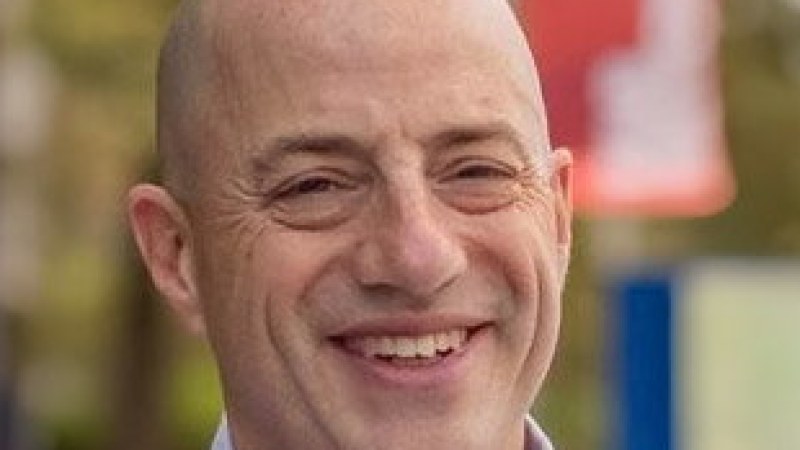
Perry Gershon
Perry Gershon is the CEO of FTN (For The Numbers) Network, the fantasy-sports, sports-betting and DVOA data company he bought into and now leads. A Yale-trained molecular biophysicist who spent 25 years as a heavyweight commercial real estate lender, he opened one of New York City's first sports bars in 1987, then walked away from finance to run twice for Congress in New York's 1st District. In late 2023 he took the helm of FTN and led a $3M seed round, betting that the numbers behind sports are a business as much as a pastime.

Birches Health
Birches Health is a digital behavioral health company treating gambling addiction and other process addictions - sports betting, video gaming, internet, sex and pornography - entirely online and covered by insurance. Founded in 2023 and based in New York City, it pairs licensed counselors who specialize in gambling disorder with peer mentors, group therapy and financial-wellness coaching, available in all 50 states. The company works with 100+ insurance plans and more than 18 state governments to reach patients who have historically had nowhere specialized to turn.
DubClub
DubClub is a Chicago-based platform where sports bettors find, follow, and subscribe to vetted handicappers ("cappers") for premium picks and analysis delivered by text, email, and Discord. It gives creators the tools to monetize their betting content - payments, subscriber messaging, and community - while giving amateur bettors one trustworthy place to access expert plays. Backed by a $7.5M Series A led by Renegade Partners, DubClub's tagline is "Win More Together."

Sleeper
Sleeper is a social-first fantasy sports and gaming platform that lets friends draft, trade, chat, and compete across the NFL, NBA, soccer, esports and more, all inside one mobile app. Founded in 2014 and headquartered in Las Vegas, Sleeper grew to millions of active users with zero ad spend by treating fantasy sports as a place to hang out with friends rather than a transactional web tool. It has since expanded into daily fantasy 'Picks' and prediction markets.
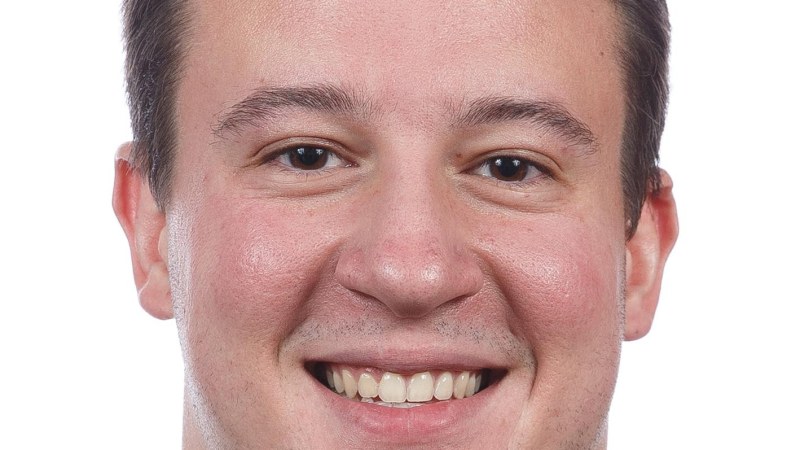
Lewis Burik
Lewis Burik is the co-founder and CEO of DubClub, a Chicago-based platform that connects amateur sports bettors with vetted professional handicappers, or 'cappers,' through subscriptions delivered by text, email, and Discord. A former Stanford inside linebacker who walked on to the Cardinal, Burik started DubClub in 2021 with two college teammates after watching a friend struggle to find trustworthy betting picks online. The company has since grown to roughly 1.5 million fans, crossed $95M+ in lifetime GMV, and raised a $7.5M Series A led by Renegade Partners in 2024, turning a fragmented corner of the creator economy into a profitable marketplace.
Torey Korsunsky
Torey Korsunsky is the Chief Business Officer of Novig, the commission-free sports prediction exchange that lets fans trade against each other instead of the house. He founded Units, a story-driven daily fantasy app that hit a $6M GMV run rate before winding down in 2024, and earlier built U.S. growth at sports-AI company WSC Sports. A University of Pennsylvania grad, he is fixated on making sports gaming feel like the stories fans already love rather than a spreadsheet.