software-defined-radio
(6)
CesiumAstro’s next frontier is the factory floor
Its radios can change their instructions in orbit. Now CesiumAstro is taking on a harder terrestrial problem: turning adaptable space hardware into a repeatable manufacturing business.

Alex Wulff
From high-school science fairs and campus walkie-talkie tests to a New York defense startup, Alex Wulff has spent a decade making invisible signals legible - and low-cost radio hardware useful in the field.
Distributed Spectrum
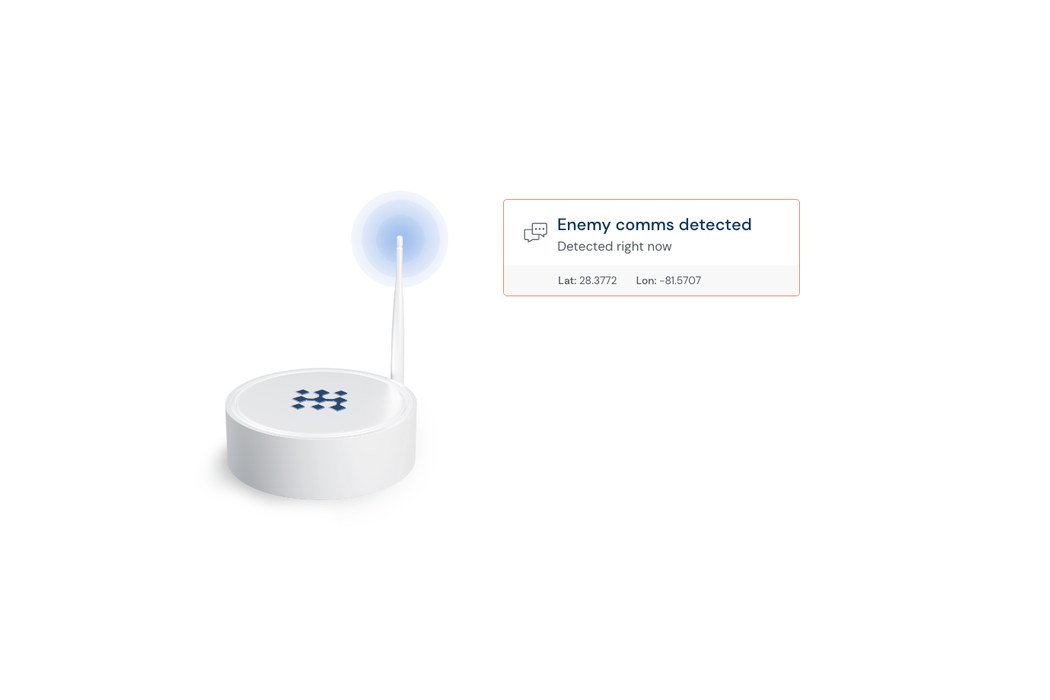
Distributed Spectrum builds AI-powered radio-frequency sensors and software that automatically detect, classify, and locate signals - drones, jammers, tactical radios, GPS spoofers - in real time. Founded by three Harvard engineers, the company packs commercial hardware and edge AI into sub-one-pound sensors that give soldiers and analysts persistent spectrum awareness without specialist RF expertise. It raised a $25M Series A in March 2025 and has fielded systems with US military branches and partners in Ukraine.

Bastille Networks
Bastille Networks is a San Francisco-based cybersecurity company that secures the wireless airspace - the radio frequency spectrum inside corporate and government facilities that traditional network security tools never see. Using patented software-defined radio and machine learning, Bastille passively detects, identifies, and locates every cellular, Bluetooth, Wi-Fi, and IoT device in a building, including rogue phones and devices not connected to the network. The company serves Fortune 100 firms, financial institutions, and the U.S. intelligence community, and raised a $44M Series C led by Goldman Sachs Asset Management in January 2024.

Chris Risley
Chris Risley is the CEO of Bastille Networks, the wireless threat intelligence company that uses software-defined radio to spot the cell phones, Bluetooth gadgets, and rogue radios that traditional cybersecurity tools never see. A serial chief executive with more than 25 years in software, he has run nine venture-backed startups, taken one public, and sold four to companies like Symantec, F5, and LivePerson. Before Bastille he ran DNS pioneer Nominum and DDoS-defense firm Defense.Net. He works out of Santa Cruz, California, and frames wireless airspace as the security perimeter most enterprises forgot to defend.

John Gedmark
John Gedmark is the CEO and Co-founder of Astranis Space Technologies, a San Francisco-based aerospace company building next-generation geostationary satellites. He previously helped shape the commercial space industry as co-founder and executive director of the Commercial Spaceflight Federation, where he influenced President Obama's 2010 decision to use commercial space transportation for NASA missions - a shift worth over $10 billion to the industry. At Astranis, he has led the company from a Y Combinator startup to a $2.8 billion valuation with a $1+ billion backlog, operating a fleet of MicroGEO satellites that bring dedicated broadband to underserved regions across Alaska, the Philippines, Mexico, and beyond.