silicon
(8)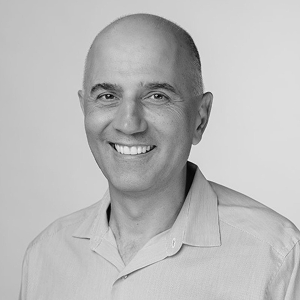
Evan Petridis Is Teaching AI to Respect the Hardware
After a career spent making networks, sensors and embedded systems behave outside the lab, the ModelCat CEO is betting that AI’s next useful trick is learning the limits of the machine beneath it.
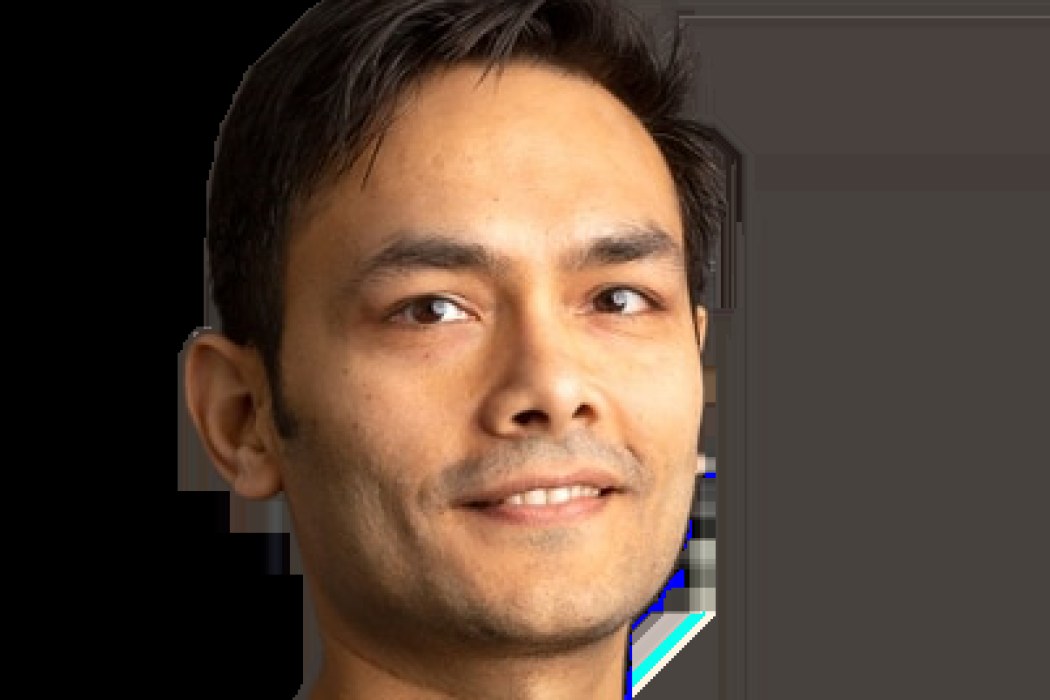
Veerbhan Kheterpal
Veerbhan Kheterpal is the co-founder and CEO of Quadric, a Burlingame, California processor IP company building the Chimera general-purpose neural processor (GPNPU) for on-device AI inference. A three-time technology founder with a PhD from Carnegie Mellon University, he previously co-founded Fabbrix (acquired by PDF Solutions) and was a technical co-founder of 21, Inc. Quadric's software-first architecture aims to run any AI model without the obsolescence that plagues fixed-function AI accelerators, and the company has raised roughly $90M across its funding rounds while scaling licensing revenue sharply through 2025.
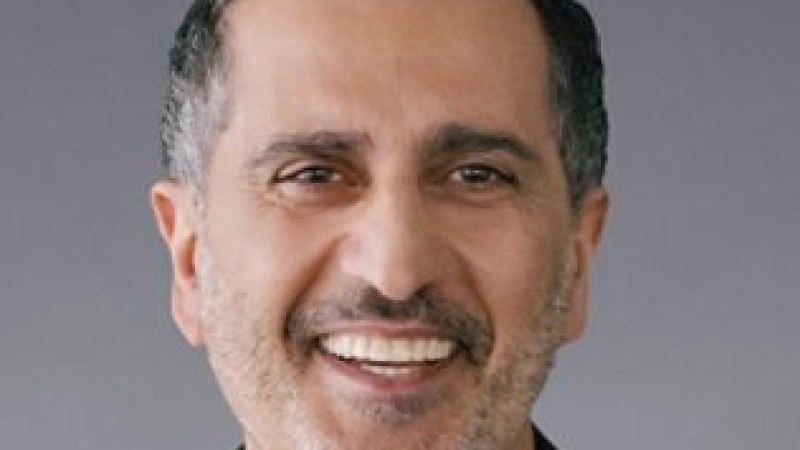
Sassine Ghazi
Sassine Ghazi is the president and CEO of Synopsys, the electronic design automation company whose tools underpin most of the world's advanced chips. He took the top job in January 2024 after 26 years inside the company and steered the $35 billion acquisition of Ansys to close in July 2025.
Otto Marroquin
Otto Marroquin is the Founder of Celera Corporation (operating as Celera Incorporated / Celera Semiconductor), an AI-powered analog semiconductor company headquartered in Alameda, California. Celera has built a patented platform - Nestos - that uses digital twins and behavioral modeling to automate analog IC design, cutting development cycles by up to 10x compared to traditional workflows. Backed by $23 million in funding including a $20 million Series A from Maverick Silicon in August 2025, Marroquin's venture targets the $70 billion analog semiconductor market with a platform that delivers custom analog ICs at a pace the industry has never seen before.
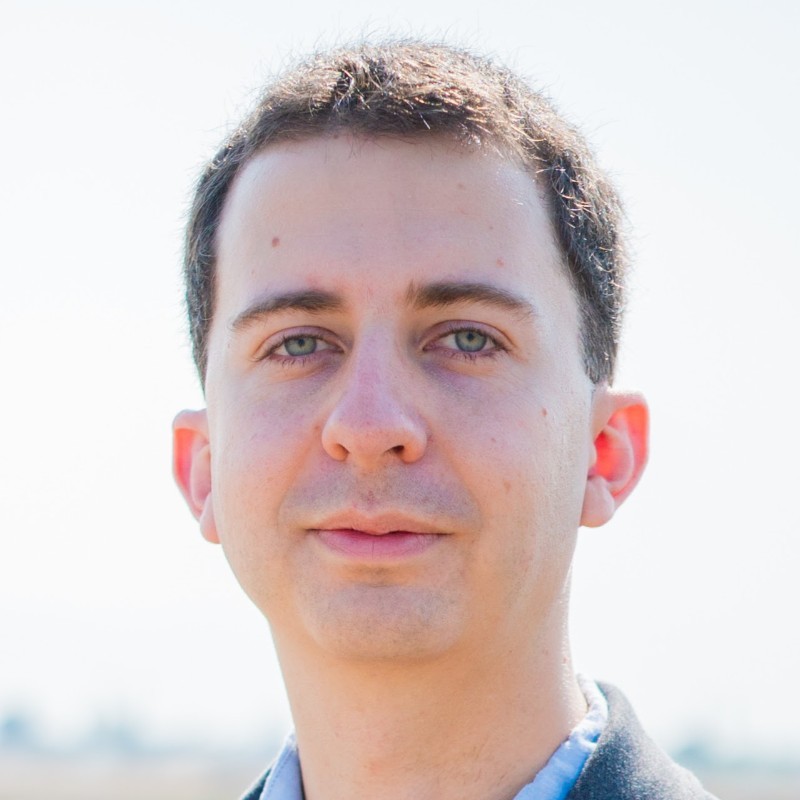
Reiner Pope
Reiner Pope is the co-founder and CEO of MatX, an AI chip startup based in Mountain View, California, designing purpose-built silicon for large language models. A former Google Senior Staff Software Engineer who led AI software development for Google's TPUs and served as Efficiency Lead for PaLM, Pope left Google one week before ChatGPT launched to build what he calls 'the best chips for LLMs that physics allows.' MatX has raised approximately $604M to date, including a $500M Series B led by Jane Street and Situational Awareness LP, and is building a hybrid SRAM-HBM chip architecture targeting the world's leading AI labs.
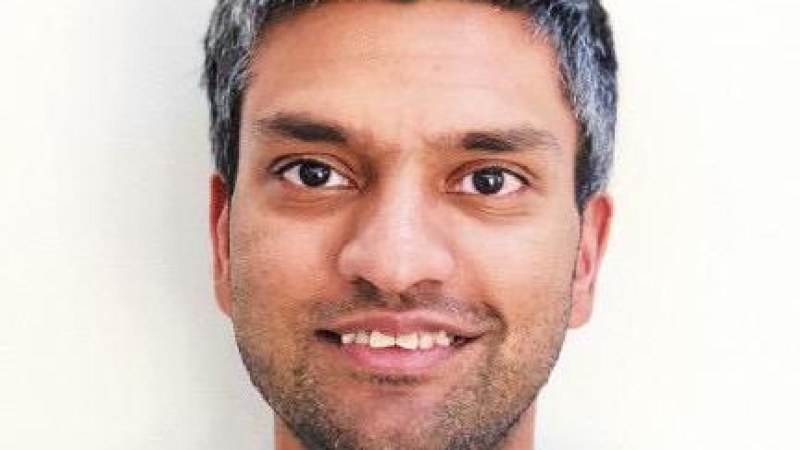
Zain Asgar
Zain Asgar is the Co-Founder and CEO of Gimlet Labs, a San Francisco-based AI infrastructure company building the world's first multi-silicon inference cloud. With a PhD from Stanford in electrical engineering focused on GPU energy modeling, Asgar previously led engineering at Google AI (where his work became Google Lens) and founded Pixie Labs, a Kubernetes-native observability platform acquired by New Relic in 2020. At Gimlet Labs, he is tackling one of AI's most pressing infrastructure challenges: making AI inference 3-10x more efficient by intelligently routing workloads across heterogeneous hardware including NVIDIA, AMD, Intel, ARM, and specialized accelerators like Cerebras.
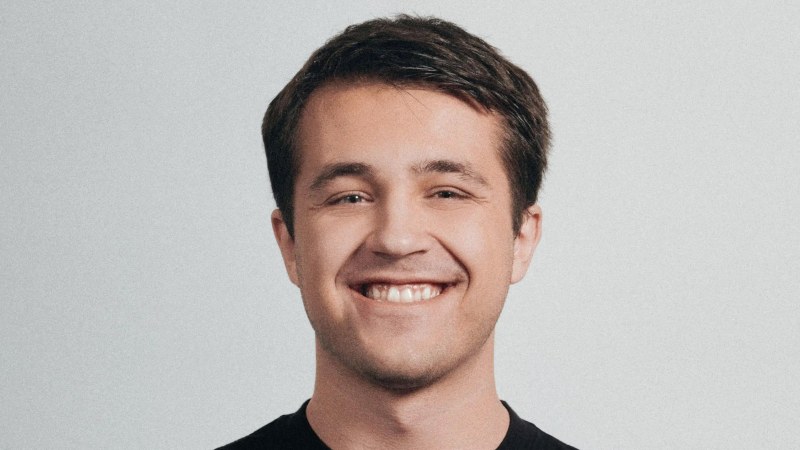
Gavin Uberti
Gavin Uberti is the co-founder and CEO of Etched, a Cupertino-based AI chip startup building the world's first transformer-specific ASIC called Sohu. A Harvard dropout and 2024 Thiel Fellow, Uberti co-founded Etched in 2022 alongside Chris Zhu and Robert Wachen after betting that transformer architecture would dominate AI for years to come. That bet has paid off spectacularly: Etched has raised over $625 million (including a $500M round in January 2026 at a $5 billion valuation), and Sohu claims to run transformer inference 20x faster than Nvidia's H100 at a fraction of the cost - positioning Etched as one of the most serious challengers to Nvidia's dominance in AI compute.
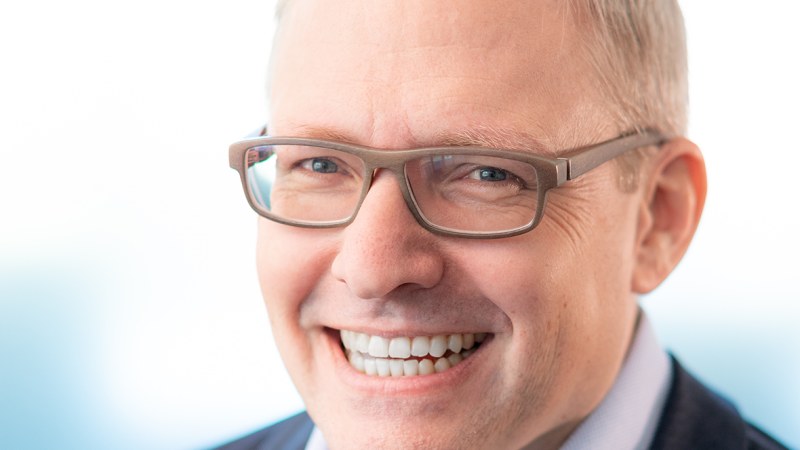
Guido Appenzeller
Guido Appenzeller is a Partner at Andreessen Horowitz (a16z) focused on AI and infrastructure investing. A two-time startup founder, he co-founded Voltage Security (acquired by HP) and Big Switch Networks (acquired by Arista), led the team that developed the OpenFlow v1.0 networking standard at Stanford's Clean Slate Lab, served as CTO at both VMware and Intel, and is now one of Silicon Valley's sharpest voices on LLM economics - having coined the term 'LLMflation' to describe the 10x-per-year cost decline in AI inference.