semiconductor-manufacturing
(5)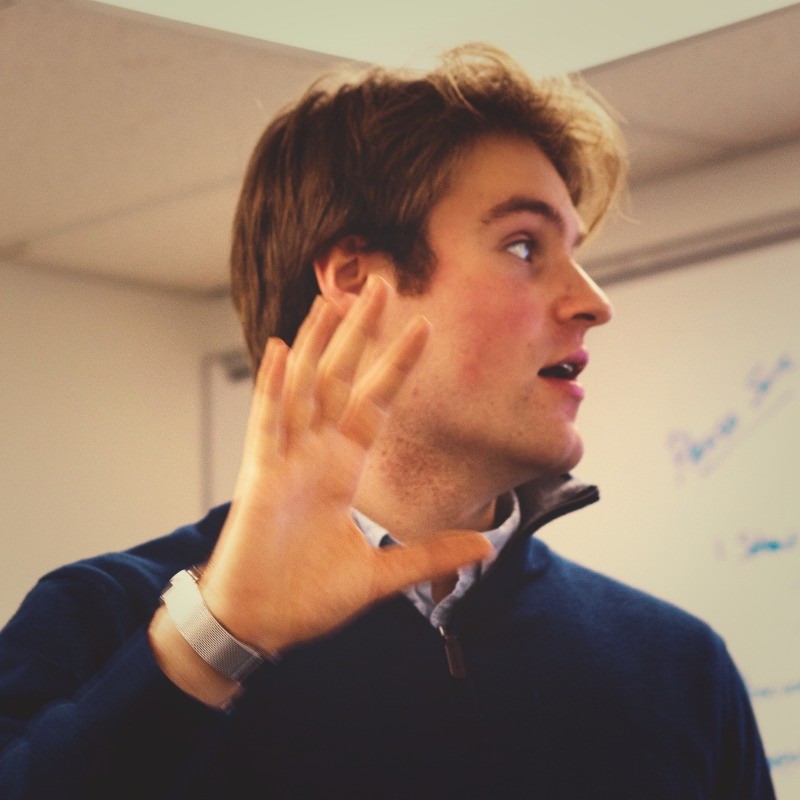
Noah Vogel Wants to Shrink the Cleanroom Until It Fits Around a Wafer
A freshman NASA proposal became a reactor, then a company, then a wager on the geometry of chipmaking: clean the few cubic feet around the wafer instead of an entire factory.

Mark Granahan Retired. Then He Found a Better Way to Use Silicon.
A retired chip executive went back to the journals, rented time in a university nanofab, and spent seven years proving that ordinary silicon still had another act.
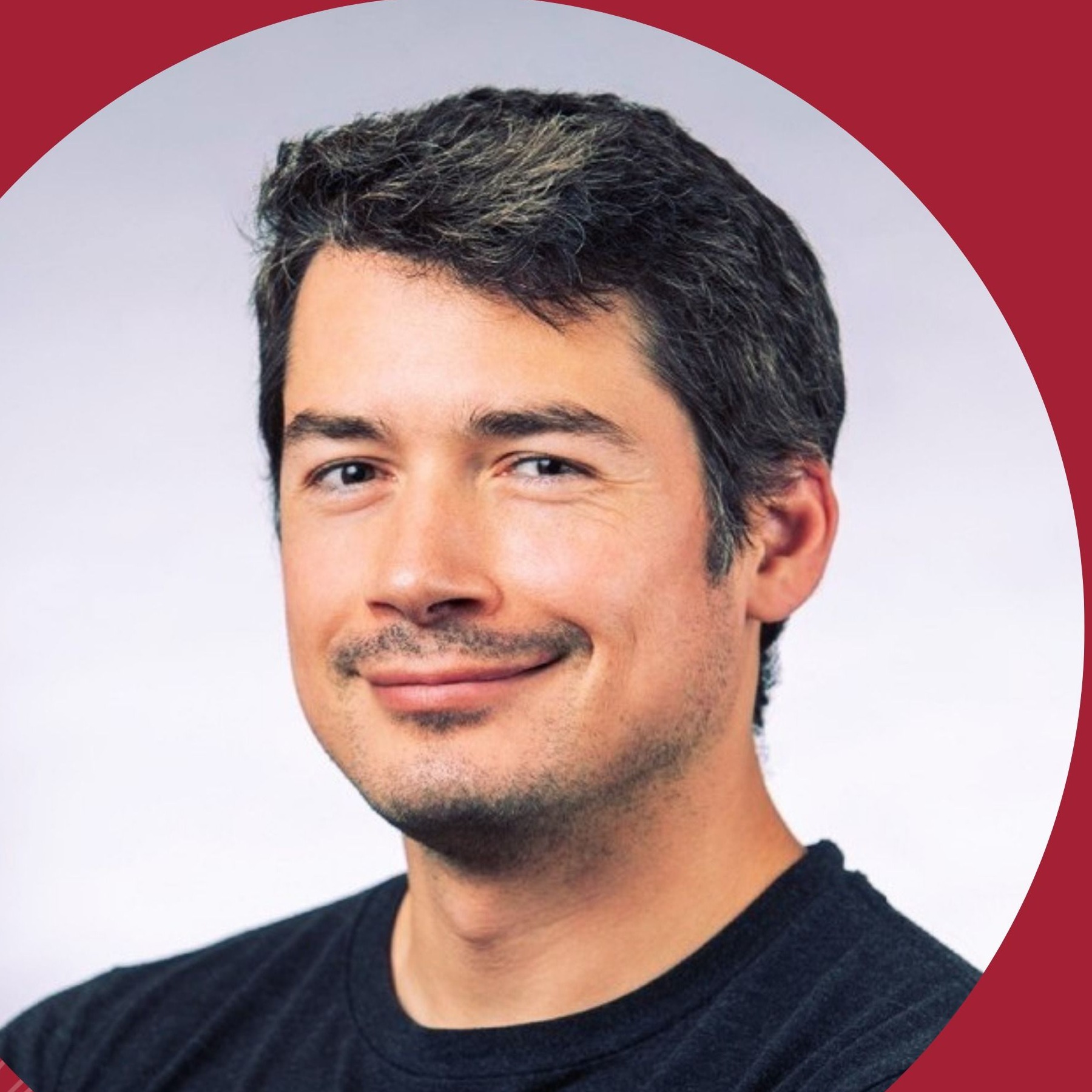
Andrei Iancu Is Teaching Factories to Cut Crystals With Light
The Halo Industries founder turned a Stanford materials problem into a semiconductor manufacturing company. His wager is practical: waste less of the crystal, learn faster on the factory floor, and let better power electronics follow.

Arno Merkle
Arno Merkle is the co-founder and CEO of Crystal Sonic, a Phoenix deep tech startup whose patented Sonic Lift-Off technology uses sound waves as an 'acoustic scalpel' to split thin device layers off semiconductor wafers so the costly substrate can be reused. A materials scientist with a Ph.D. from Northwestern and more than 75 technical papers to his name, Merkle spent two decades building and exiting X-ray and electron microscopy companies (Xradia, acquired by Carl Zeiss in 2013; XRE, acquired by Tescan in 2018) before turning his attention to one of chipmaking's quietest scandals: that conventional wafering throws away 90% or more of pristine, expensive crystal. With Crystal Sonic he is trying to make next-generation chips cheaper and far less wasteful, one sound wave at a time.
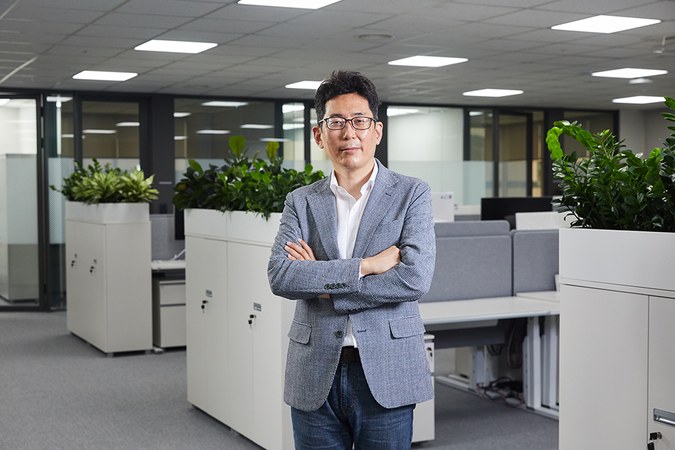
Mike Young-Han Kim
Mike Young-Han Kim is the founding CEO of Gauss Labs, a Palo Alto-based industrial AI startup revolutionizing semiconductor manufacturing. An 11th-generation academic descendant of Carl Friedrich Gauss, he holds a PhD in Electrical Engineering from Stanford along with dual master's degrees in EE and Statistics. Before founding Gauss Labs in 2020, he was a tenured IEEE Fellow professor at UC San Diego and the inaugural recipient of the James L. Massey Research & Teaching Award. Backed by $55M from SK hynix, his company's Panoptes VM platform now inspects over 50 million wafers at SK hynix facilities - at one wafer per second - reducing process variability by 29%.