scientific-instruments
(4)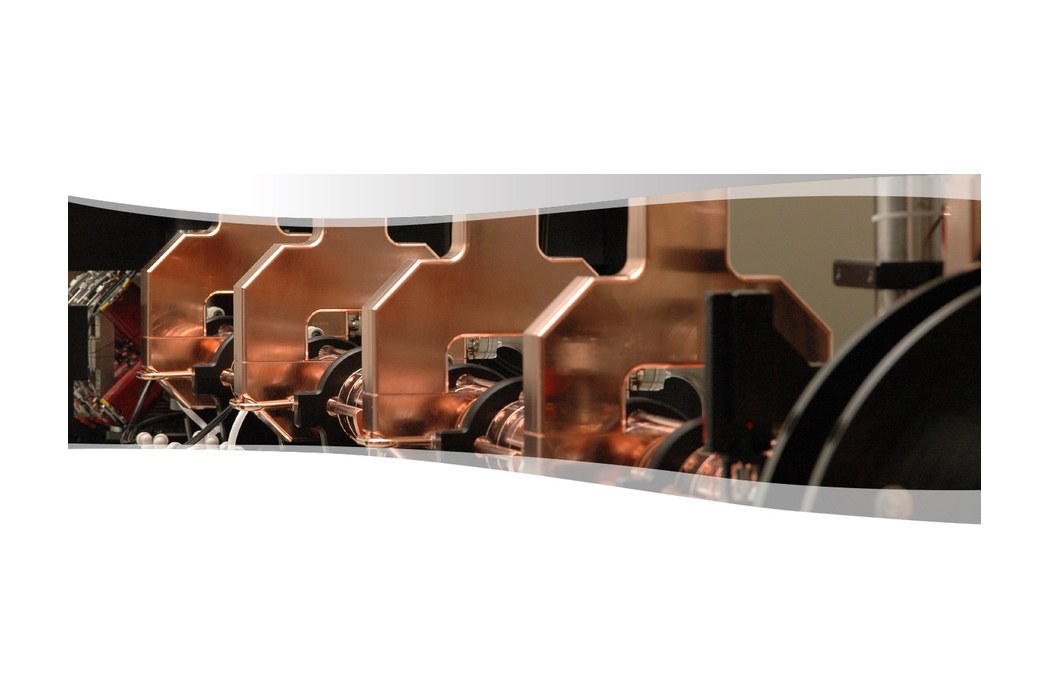
The Synchrotron That Fit in a Room - Until the Bet Got Bigger
Lyncean proved a national-lab machine could become a laboratory appliance. Then a far larger gamma-ray contract exposed the unforgiving economics of frontier hardware.
SciAps Put a Materials Lab in One Hand - Then Sold for Up to $260 Million
SciAps began with a stubborn technical gap: the field's standard X-ray guns could not see the light elements its customers cared about. A decade of lasers, X-rays and muddy-boots product development turned that blind spot into a fast-growing instrumentation business.
ONI
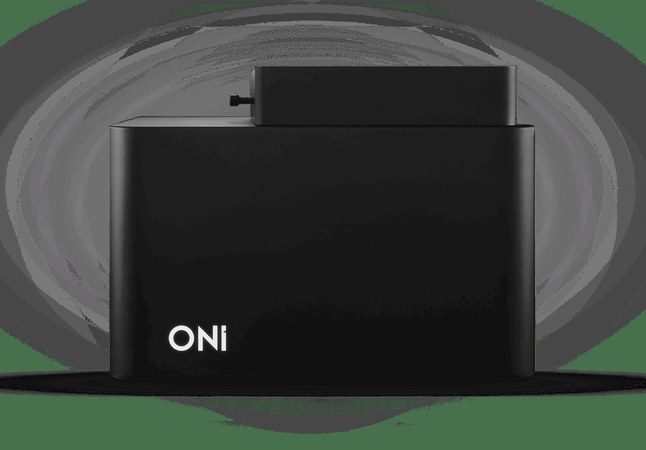
ONI (Oxford Nanoimaging) is an Oxford University spinout that shrank the super-resolution microscope from a room-sized, six-figure instrument into a desktop box the size of a sheet of A4 paper. Its flagship Nanoimager resolves single molecules down to 20 nm and pairs with the cloud-based CODI platform for analysis and collaboration, opening single-molecule science to labs studying everything from extracellular vesicles to lipid nanoparticles and cancer.

Picarro
Picarro builds laser-based gas analyzers that detect molecules at parts-per-billion (and better) using its patented Cavity Ring-Down Spectroscopy (CRDS). Its instruments are deployed by utilities, semiconductor fabs, biopharma cleanrooms, and climate scientists across roughly 90 countries to find methane leaks, measure greenhouse gases, monitor hazardous air pollutants, and track water isotopes.