risk-prediction
(4)
Mesh Bio
Mesh Bio is a Singapore-based health deep-tech company that uses digital twin technology and predictive analytics to help clinicians detect and manage chronic diseases earlier. Its DARA platform automates health-screening report generation and risk stratification, while HealthVector Diabetes - approved as a Software as a Medical Device by Singapore's Health Sciences Authority - forecasts diabetes complications years before onset. Founded in 2018 by Andrew Wu and Arsen Batagov, the company serves more than 40 healthcare groups across Asia and has assessed over 300,000 patients.

Willog
Willog is a Seoul-based AIoT supply chain company that turns invisible logistics events into data. Its patented sensor devices track temperature, shock, humidity and location across warehouse, road, ocean and air, feeding an AI-powered Control Tower that gives shippers of pharmaceuticals, semiconductors, chemicals and food real-time visibility, diagnostics and risk prediction. Founded in 2021, Willog serves 200+ global enterprise customers and reached a Series B-2 round in under five years.
Connie Lehman
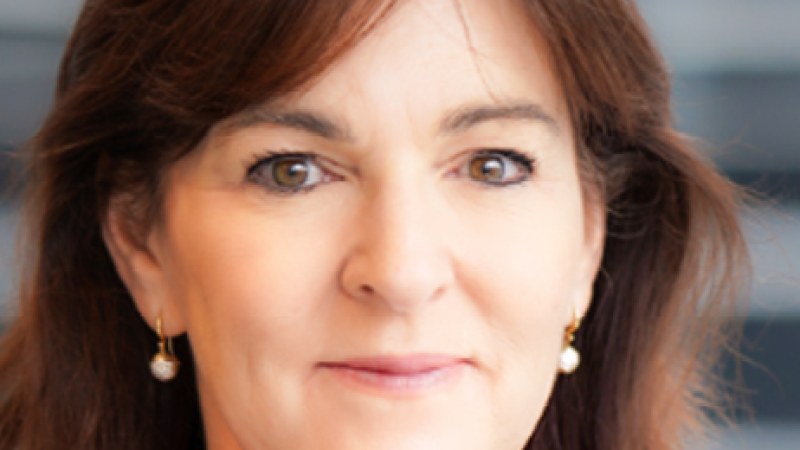
Connie Lehman is a radiologist who spent three decades reading mammograms and decided the picture could tell a different story. As founder and CEO of Boston-based Clairity, she built the first FDA-authorized AI platform that reads a routine screening mammogram and estimates a woman's five-year risk of developing breast cancer, spotting tissue patterns invisible to the human eye. A Professor of Radiology at Harvard Medical School with more than 300 peer-reviewed publications, she left a celebrated academic career to commercialize the idea that imaging should predict cancer, not just find it. TIME named her to its 2026 TIME100 Health list and Forbes to its 50 Over 50: Innovation list.

Nirvana Insurance
Nirvana Insurance is a San Francisco-based, AI-native commercial trucking insurer that combines real-time telematics data with proprietary risk models to price, underwrite, and manage fleet insurance policies. Founded in 2021 by ex-Samsara, MIT, and Wharton operators, the company turns the data trucks already generate into safer roads, cheaper premiums, and faster claims.