relationships
(8)
Hinge wants you to leave. The business keeps growing.
The dating app rebuilt itself around better dates, then turned that promise into a $691 million annual business. Its next test is making paid visibility, AI assistance and a timely goodbye work together.

The Company That Owns Your Love Life
One company sits behind Tinder, Hinge, Match and dozens of other apps. Here is how a portfolio of swipes became a $3.5 billion business - and why its next move is a bet on AI.
The Problem of Love
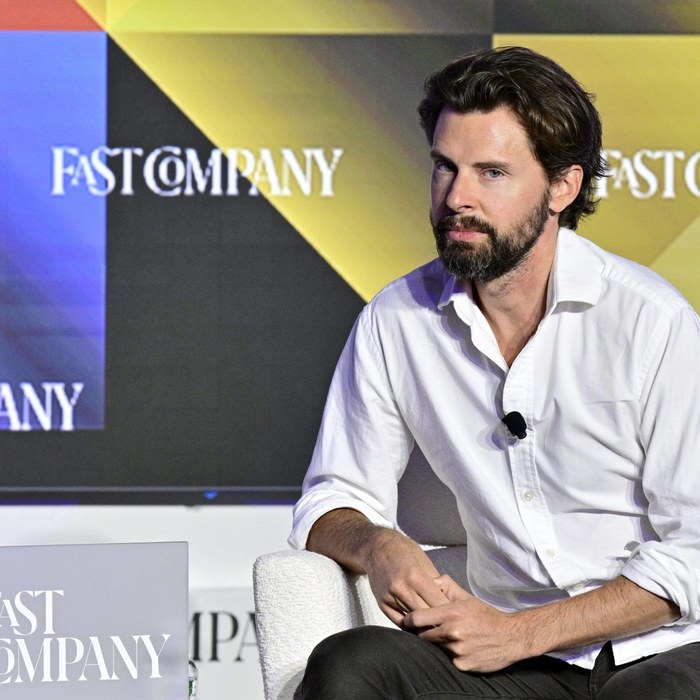
The problem of love is the question at the center of Overtone, the new AI- and voice-forward dating service from Hinge founder Justin McLeod. After more than a decade building Hinge into a $400 million business, McLeod left the CEO seat and raised $18 million to reimagine how technology helps people find a partner. His premise is simple and stubborn: as loneliness climbs, few problems matter more, and the deeper he digs, the more interesting it becomes. Overtone gets to know each person in their own voice and makes only the introductions worth making.

Ditto
Ditto is a Berkeley-born AI matchmaker that skips the swiping. Students text their preferences, and every Wednesday Ditto sends one curated match over iMessage - with the time, place, and coffee-date logistics already handled. Founded by UC Berkeley students Allen Wang and Eric Liu, it went viral through sorority group chats, grew to roughly 100,000 users across about ten campuses, and raised a $9.2M seed led by Peak XV. Its bet: dating apps optimize for time-on-app, but people actually want a good date in real life.

Alain de Botton
Alain de Botton is a Swiss-born British philosopher, author, and entrepreneur who has written 15+ books translated into 30+ languages, co-founded The School of Life in 2008, and built a global movement dedicated to making philosophy practically useful for everyday life - covering love, work, anxiety, and what it means to live wisely.
Coffee Meets Bagel
Coffee Meets Bagel is a relationship-focused dating app founded by Korean-American sisters Arum, Dawoon, and Soo Kang. Built on the idea that quality beats quantity, it serves curated daily matches rather than infinite swipes - aimed at people who want commitment, not entertainment.
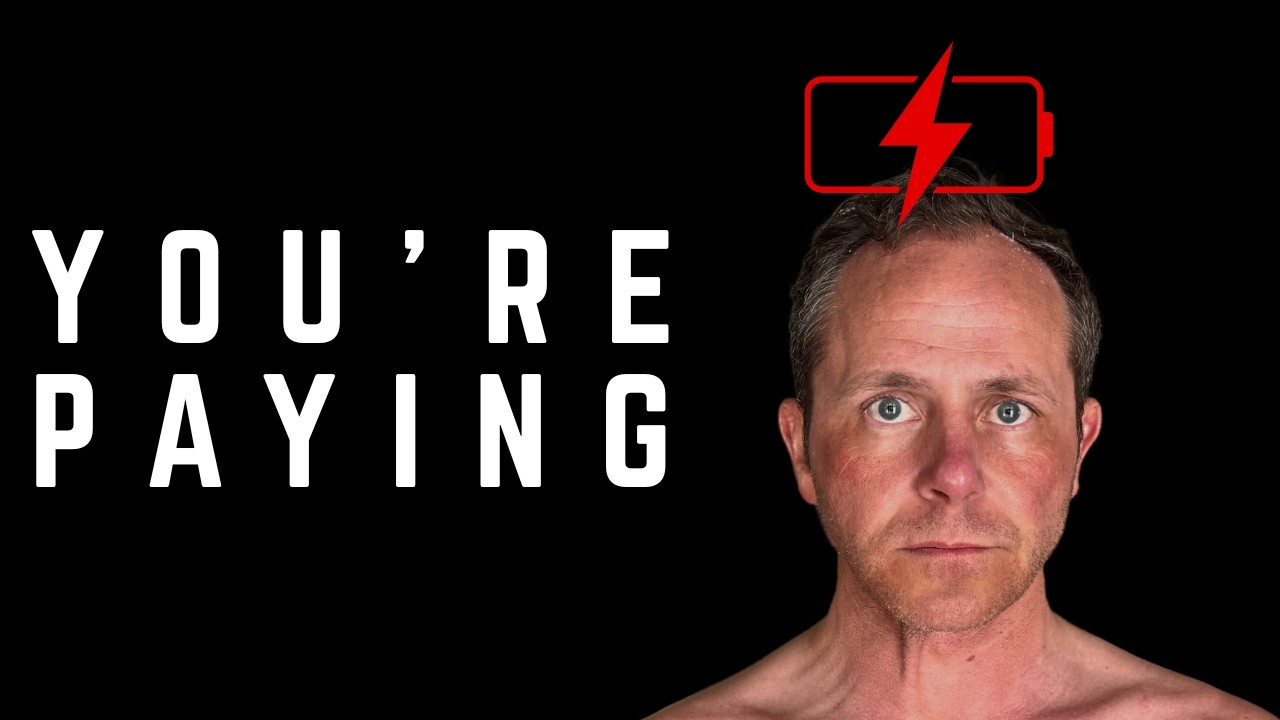
Emotional Debt: Chase Hughes on the Hidden Cost of Unfelt Feelings
In this solo lecture, behavioral scientist and human behavior expert Chase Hughes introduces the concept of 'emotional debt' — a neuroscience-backed framework explaining how unprocessed emotions don't disappear but compound in the nervous system like interest on a loan. Drawing on biology (amygdala hypersensitization, the HPA axis, prefrontal cortex degradation), somatic science, and psychology, Hughes argues that what we call 'personality' is often just a collection of unpaid emotional invoices from childhood. He outlines five steps to process emotional debt: see the payments, name your debt-servicing behavior, let the body finish incomplete responses, stop taking on new debt, and get a witness — all united by a single active ingredient: perspective shift.

Heather Havrilesky
Heather Havrilesky is an American advice columnist, culture writer, and author best known for her wildly popular 'Ask Polly' column, which began at The Awl in 2012, moved to New York magazine's The Cut in 2014, and migrated to Substack in 2021 where it has amassed over 100,000 subscribers. Writing with unflinching emotional honesty and a distinct all-caps intensity, she dismantles myths of American success, explores the paradoxes of modern love, and reassures readers that being a walking tangle of contradictions is not just acceptable but very human. She is also the author of four books, including the New York Times bestseller 'How to Be a Person in the World' and 'Foreverland: On the Divine Tedium of Marriage,' named a Best Book of 2022 by The New Yorker.