ASK POLLY HITS 100,000 SUBSCRIBERS ON SUBSTACK NEW YORK TIMES BESTSELLING AUTHOR FOREVERLAND NAMED BEST BOOK OF 2022 BY THE NEW YORKER SHE'S BEEN GIVING ADVICE SINCE 1996 AND SHE'S STILL RIGHT ASK POLLY HITS 100,000 SUBSCRIBERS ON SUBSTACK NEW YORK TIMES BESTSELLING AUTHOR FOREVERLAND NAMED BEST BOOK OF 2022 BY THE NEW YORKER SHE'S BEEN GIVING ADVICE SINCE 1996 AND SHE'S STILL RIGHT
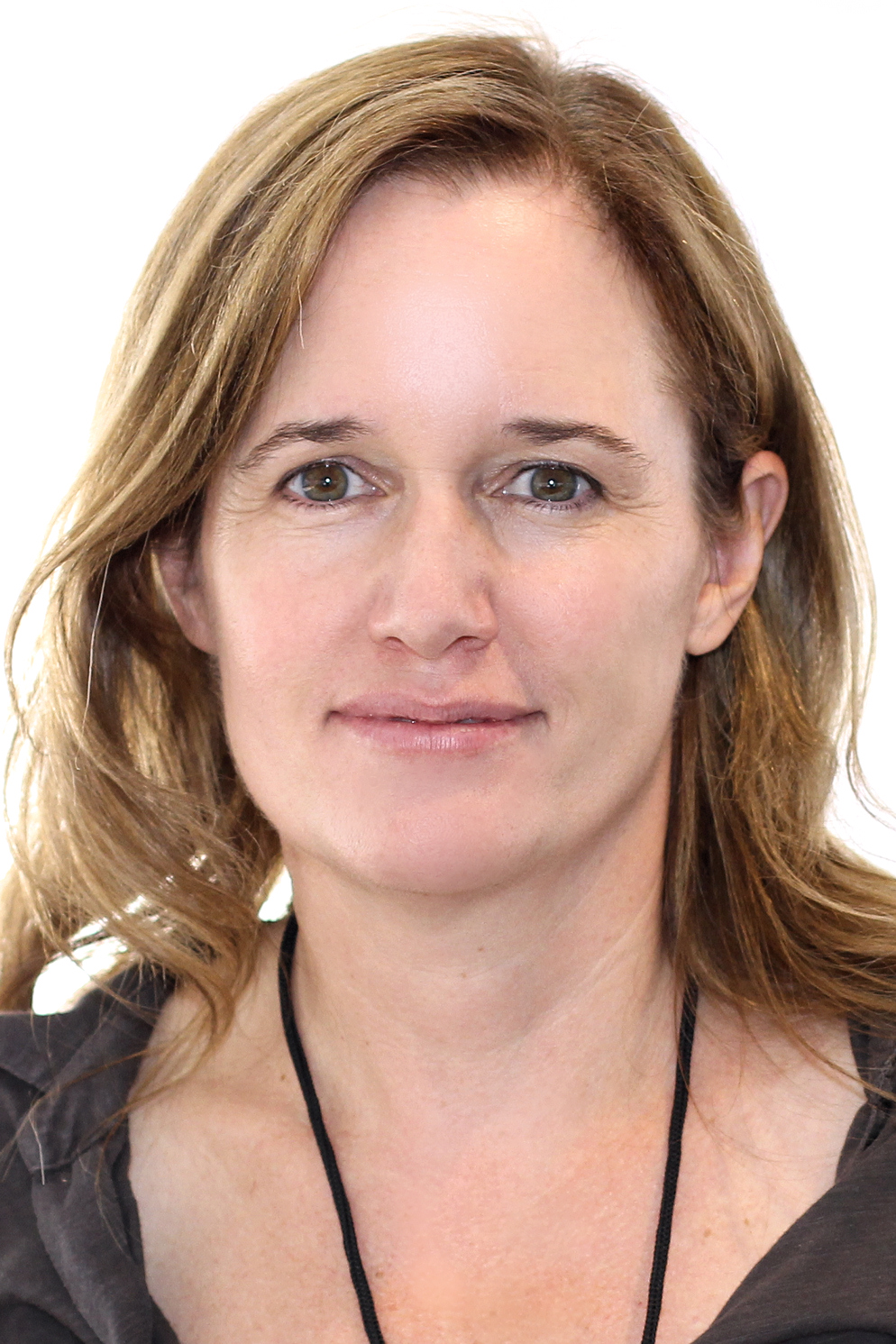
Heather Havrilesky at the 2018 Texas Book Festival
Photo: Larry D. Moore / CC BY 4.0
Advice Columnist & Author

Heather Havrilesky

She knows what's wrong. She's going to tell you. You're going to feel seen, uncomfortable, and weirdly grateful.

Ask Polly NYT Bestseller Durham, NC 4 Books
100K+ Substack Subscribers
30+ Years Writing
4 Books Published
2012 Ask Polly Founded
7 Years as Salon TV Critic
1996 First Column (Suck.com)
Duke Psychology, Class of 1992
2 Active Newsletters

The Therapist You Never Had But Always Needed

There is a voice on the internet that sounds like your most honest friend after two glasses of wine - the one who will look you in the eye and say the thing you already know but have spent six months pretending not to know. That voice belongs to Heather Havrilesky. And it has been telling the truth, loudly and without apology, since before most of today's advice columnists finished high school.

Havrilesky writes "Ask Polly," a column that is ostensibly about answering reader letters but is actually about something larger: the peculiarly American habit of lying to yourself about what you want, what you deserve, and how happiness works. Her answers are long. They are personal. They use ALL CAPS at exactly the right moment. They make strangers on the internet cry on their lunch breaks and then screenshot the column and send it to three people.

She grew up in Durham, North Carolina in the 1970s and 80s, where suburban life was, by her own account, tense and troubled. Her father died when she was young. She studied psychology at Duke University, graduated in 1992, and landed at Suck.com in 1996 - one of the internet's first great sites - where she wrote a comic strip under the pen name Polly Esther. The name is a pun on polyester. This should tell you everything about who she is.

From Suck.com she went to Salon as a TV critic for seven years, developing the critical sharpness that would later make "Ask Polly" feel less like an advice column and more like cultural diagnostics. In 2012 she pitched the column to The Awl. It moved to New York magazine's The Cut in 2014 and became one of the most widely read advice columns in the country. In 2021 she took it to Substack, where it now has over 100,000 subscribers - many of whom pay specifically to read longer columns that their friends will read with equal intensity.

She is also the author of four books: a memoir, two essay collections, and a book about marriage that The New Yorker named one of the best books of 2022. She has been married to her husband Bill for over sixteen years. They live in Durham - she moved back in 2021, a full-circle return she has written about with characteristic clarity - with their two daughters, near her mother, brother, and sister.

Born
June 1970
Durham, North Carolina
Education
Duke University
BA Psychology, 1992
First Internet Column
Suck.com, 1996
As "Polly Esther" — a pun on polyester
Current Newsletter
Ask Polly (Substack)
100,000+ free subscribers
Most Recent Book
Foreverland (2022)
Best Book of 2022, The New Yorker

"You are here. Stop abandoning yourself. Stop repeating this myth about love and success that will land in your lap or evade you forever. Build a humble, flawed life from the rubble, and cherish that."

- Heather Havrilesky, Ask Polly

From Comic Strips to Cultural Institution

1996
Joined Suck.com as staff writer, creating the "Filler" comic strip under the pen name Polly Esther - a pun on polyester that would follow her for three decades.
2001
Started "Dear Rabbit" on a personal blog - a quiet prototype of what would eventually become Ask Polly. Nobody knew it then. She probably did.
2003-2010
Seven years as TV critic at Salon. The critical muscles she built watching and dissecting television would become the scalpel she uses on human emotional problems.
2011
Published debut memoir "Disaster Preparedness" (Riverhead). Joined The Daily, the world's first iPad-only news app.
2012
Launched "Ask Polly" at The Awl. A weekly advice column that quickly became known for its unusual format: not a few paragraphs of guidance but full emotional excavations.
2014
Ask Polly moved to New York magazine's The Cut, reaching a national audience. The column became a cultural touchstone for millennials navigating love, ambition, and identity.
2016
"How to Be a Person in the World" published by Doubleday. It became a New York Times bestseller.
2018
"What If This Were Enough?" published. Named Publishers Weekly Best Book of 2018 and one of Chicago Tribune's Favorite Books by Women of 2018.
2021
Moved Ask Polly to Substack. Returned to Durham, NC after years in Los Angeles. Settled near family - her mother, brother, and sister within weekly reach.
2022
"Foreverland: On the Divine Tedium of Marriage" published by HarperCollins. Named Best Book of 2022 by The New Yorker and Chicago Tribune.
2024-2026
Ask Polly surpasses 100,000 free subscribers. Maintains two active Substack newsletters: Ask Polly and the companion "Ask Molly" (Polly's evil twin).
Bibliography

Four Books That Don't Let You Off the Hook

2011
Disaster Preparedness

A memoir about surviving a childhood in Durham, NC in the 1970s and 80s. Boxing lessons, cheerleading camp, her parents' battles, and the defense mechanisms built in response. Personal and funny in a way that makes you realize you built similar defenses.

Memoir
2016
How to Be a Person in the World

Ask Polly columns, new and old, collected into a guide for navigating modern relationships, career anxiety, and the paradoxes of contemporary life. Direct. Long. Honest. It became a New York Times bestseller because people needed permission to feel what they already felt.

NYT Bestseller
2018
What If This Were Enough?

Nineteen essays on consumerism, romance mythology, and the success narratives that generate perpetual dissatisfaction. The central question - what if this were actually enough? - is deceptively simple and quietly devastating. Publishers Weekly Best Book of 2018.

PW Best Book 2018
2022
Foreverland: On the Divine Tedium of Marriage

A memoir about sixteen years of marriage to Bill - the fumbled proposals, suburban relocations, external temptations, health crises, and COVID-era reckoning. Named Best Book of 2022 by The New Yorker. Marriage as it actually is, not as it's performed.

Best Book 2022 - The New Yorker

"You are a nice person, and you're also full of anger. You're a walking tangle of contradictions. That's okay. Most of us are like that. Women, most of all."

- Heather Havrilesky, Ask Polly

What She Keeps Coming Back To

🪞
Self-Abandonment

The main move she calls out: leaving yourself behind to please others, fit expectations, or avoid the discomfort of wanting what you actually want.

🏆
American Success Myths

The belief that achievement, charm, and the right image will eventually produce happiness. She has been calmly dismantling this idea for thirty years.

💍
Marriage & Long Love

Not the fairy-tale version. The actual version: boredom, irritation, deep familiarity, and the strange grace of staying.

🛍️
Consumerism

How buying things - experiences, images, identities - becomes a substitute for the harder work of knowing what you actually need.

🤝
Radical Honesty

She shares her own mess to prove you're not uniquely broken. The vulnerability is not performance. It's the method.

What Makes Her Different

Most advice columns operate on a simple model: reader presents problem, columnist identifies solution, reader thanks columnist, everyone moves on. Havrilesky's columns don't do this. They start with the question and then expand outward until the original question looks small compared to the larger confusion underneath it. A letter about whether to confront a difficult friend becomes a meditation on how we choose which feelings to honor. A question about career stagnation becomes an examination of how ambition and self-worth got tangled together somewhere in childhood.

This is what the psychology degree is for. Not clinical detachment - quite the opposite. She uses the frameworks of emotional understanding to diagnose patterns, then she drops the clinical language entirely and talks like herself. Direct. Sometimes profane. Often using emphatic ALL CAPS at the exact moment emphasis is needed. The effect is of a person who has thought very carefully about your situation and is now telling you what she actually thinks.

She describes herself as "seriously fucking heavy in person." What appears on the page - emotional intensity, refusal to soften bad news, willingness to follow a feeling to its roots - is apparently only a fraction of the in-person experience. This checks out. The columns feel unfiltered. They are probably filtered considerably.

The move from The Cut to Substack in 2021 was significant. She left a platform with millions of readers for a subscription model that requires readers to actively choose her. Over 100,000 did so immediately. Thousands pay for the extended columns. This is a statement about the relationship she has built with her audience over three decades - not readers who stumbled across her, but people who go looking for her specifically.

The companion newsletter "Ask Molly" - written from the perspective of Polly's "evil twin" - takes a darker, more satirical angle. Havrilesky as id rather than superego. It is, predictably, also excellent.

She has written for The New Yorker, The Atlantic, The New York Times Magazine, Esquire, GQ, The Baffler, NPR's All Things Considered, and Bookforum. She won the 2020 Green Eyeshade Award for Best Criticism and a Southeastern Emmy for documentary work. The range reflects a writer who is not performing a brand. She just writes well about things that interest her, and what interests her is honest enough to land almost anywhere.
Personality on the Page
  • Uses ALL CAPS for emotional emphasis at exactly the right moment
  • Shares personal pain to normalize the reader's pain
  • Writes long - her "answers" are often essays
  • Will tell you what's actually wrong, not what you wanted to hear
  • Witty in a way that makes the serious parts land harder
  • Anti-platitude to a clinical degree
  • Self-deprecating without being self-undermining
Where She Has Appeared
  • The New Yorker
  • The Atlantic
  • New York Times Magazine
  • The Cut (New York Magazine)
  • Esquire & GQ
  • NPR's All Things Considered
  • The Baffler & Bookforum
  • Salon (TV critic, 2003-2010)
Awards
  • 2020 Green Eyeshade Award, Best Criticism
  • 2017 Green Eyeshade Award, Best Travel Writing
  • Southeastern Emmy, Best Documentary Feature
  • NYT Bestseller for How to Be a Person in the World
  • Multiple Best Book of the Year recognitions

Quotable

"

Many of us learn to construct a clear and precise vision of what we want, but we're never taught how to enjoy what we actually have. There will always be more victories to strive for, more strangers to charm, more images to collect and pin to our vision boards. It's hard to want what we have; it's far easier to want everything in the world.

"

You are a nice person, and you're also full of anger. You're a walking tangle of contradictions. That's okay. Most of us are like that. Women, most of all.

"

You are here. Stop abandoning yourself. Stop repeating this myth about love and success that will land in your lap or evade you forever. Build a humble, flawed life from the rubble, and cherish that.

"

I'm that friend who's seriously fucking heavy in person.

What Separates Polly from Everything Else

Advice columns, broadly, exist to give people permission. Permission to leave. Permission to stay. Permission to feel the thing they feel. Havrilesky's columns do this too, but they spend more time first showing exactly how the permission was denied in the first place.

She was trained as a psychologist, worked as a TV critic, and cut her teeth on early internet satire. The combination produces a voice that is analytically precise, culturally fluent, and personally warm all at once. This is not common. Most advice is either technically correct and cold or warmly wrong.

The all-caps device - a typographic tic from the internet era - functions as a kind of emotional highlighter. When Havrilesky writes that you need to STOP PRETENDING THIS IS FINE, the capitals are not shouting. They're italics for feelings that can't be italicized enough.

Her columns are also unusually long for the format. Some run to four or five thousand words. The length is not indulgence - it's the work. She is showing you how she got from your question to the answer. The path is the point.

The Polly Voice Index

Emotional Depth
Honesty
Cultural Sharp.
Self-Disclosure
Wit
Warmth
Comfort Level

The Details Worth Knowing

In 1996, writing for Suck.com - one of the first ad-supported websites in history - she invented the pen name Polly Esther specifically as a pun on polyester fabric. She used it for a comic strip called "Filler." Nearly thirty years later, half the internet knows her primarily as Polly.

Before Ask Polly existed, there was "Dear Rabbit" - an advice column she wrote on her personal blog starting in 2001. Nobody called it a prototype at the time. It was just a person on the internet answering questions. A decade later it became one of the most widely read advice columns in America.

She spent seven years at Salon as a TV critic, developing the analytical discipline to write about what something is really doing versus what it thinks it's doing. She brought the same lens to human behavior when she switched to advice. The effect is that her columns diagnose cultural patterns the way a TV review diagnoses narrative structure.

In 2021 she moved back to Durham, North Carolina after years in Los Angeles - back to the city where she grew up, back near her mother, brother, and sister. She now sees her family at least once a week. She has written about this return with characteristic clarity: the suburban childhood that shaped her, the distance that provided perspective, and the choice to close the distance.

The Ask Molly newsletter - a companion to Ask Polly written from "Polly's evil twin" perspective - exists because even her alter ego has a darker alter ego. Ask Molly is more satirical, more blunt, less interested in being helpful in the conventional sense. It is also quite good, which tracks.

She has described herself in interviews as "seriously fucking heavy in person." This self-assessment is not self-deprecation. It is a warning issued by someone who takes her own emotional intensity seriously enough to flag it for strangers.

Seven Things Worth Pinning

01

Her pen name "Polly Esther" is a pun on polyester - invented for a 1996 internet comic strip and still going strong in 2026.

02

Psychology degree from Duke, 1992. She applies it every column. Not clinically. Just accurately.

03

Seven years as Salon's TV critic before pivoting to advice. The critical framework stayed; the subject changed to humans.

04

She left New York magazine - and millions of readers - for Substack in 2021 because she wanted to write for people who actively chose her. 100,000 did.

05

Her marriage memoir "Foreverland" covers sixteen years with her husband Bill - and is honest enough about marriage that The New Yorker called it one of the best books of 2022.

06

She has a second newsletter, "Ask Molly," written from Polly's "evil twin" perspective. More satirical, darker, no less readable.

07

She moved back to Durham in 2021, to the city where she grew up and where her mother, brother, and sister live. She now sees family weekly. She has written about this. It is good.

What She's Working on Now

January 2026
"Six Vibe Shifts For 2026" - Ask Polly, Substack
September 2025
"Rebirth" - Ask Molly newsletter
January 2025
"Reckoning With This Vicious World" - Ask Polly
January 2025
"Embrace Your Dreams in 2025" - Ask Polly
December 2024
Interview with The Creative Independent: building faith within yourself and using daily exercise to fuel creative work
2024
Ask Polly Substack surpasses 100,000 free subscribers