relational-database
(5)
FileMaker and the business too awkward for a box
Apple’s software subsidiary, now called Claris, sells the tools to build apps around the way a business actually works. Its most useful lesson starts with a tyre retailer, a failed ERP rollout, and one small repair.
MariaDB Almost Ran Out of Cash. Then It Bought Its Way Back Into the Database Race
The open source MySQL fork reached billions of downloads - and still ended up with $1.8 million in cash. A take-private rescue and three acquisitions later, MariaDB is testing a useful idea: one familiar database can do more jobs, if the company stays disciplined about what enterprises will actually pay for.
Your Spreadsheet Is Lying About Being A Database
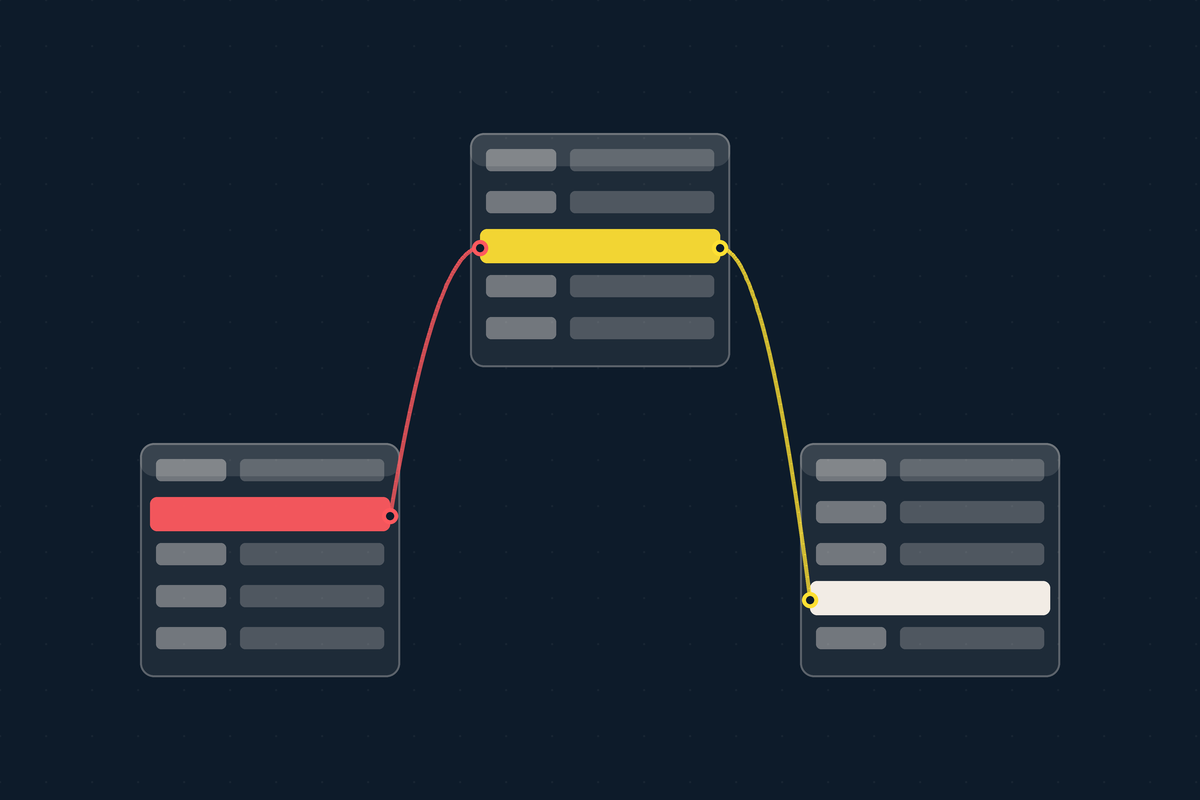
Airtable, Coda and Smartsheet all look like grids. Only one of them actually links records the way a database does - and that difference decides what you can build.
Your Software Has an Opinion About How You Think
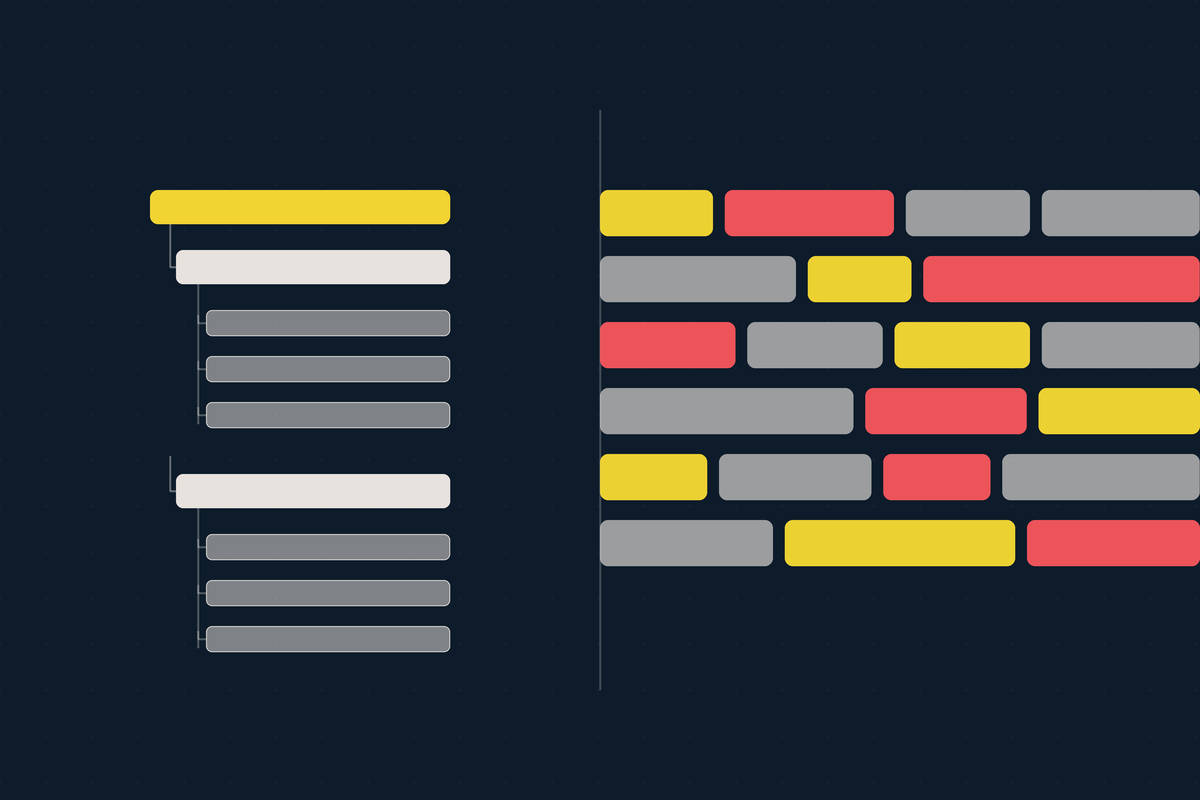
Notion treats a database as one block inside a flexible page. Airtable treats the base as the whole product. The gap between page-first and database-first is really a gap between two ideas of how work should be organized.
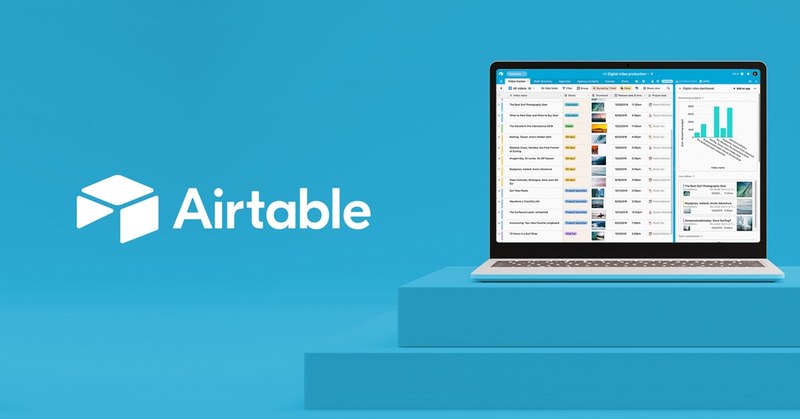
Airtable
Airtable is a San Francisco software company that turned the humble spreadsheet into a flexible app platform, letting non-engineers build relational databases, interfaces, and automated workflows without code. Founded in 2012 and launched publicly in 2015, it now serves more than 500,000 organizations - including the majority of the Fortune 100 - and has refounded itself as an AI-native app platform anchored by its conversational builder, Omni.