protein-degradation
(13)
Aetna Trombley Chose the Long Route to a New Kind of Biotech
She spent nine years helping build NGM, then left for science compelling enough to begin again. At Lycia Therapeutics, Aetna Trombley has made patience, partnerships and protein clearance into an operating strategy.
SEED Therapeutics
SEED Therapeutics is a clinical-stage biotechnology company pioneering rationally designed molecular glue degraders to treat diseases driven by proteins long considered undruggable. Powered by its proprietary RITE3 discovery platform - which pairs disease-causing target proteins with the most suitable of more than 600 human E3 ligases - SEED reprograms the cell's own ubiquitin-proteasome system to destroy harmful proteins rather than merely block them. Founded in 2020 by CEO Lan Huang and a group of protein-degradation pioneers including Nobel laureate Avram Hershko, the company advanced its lead oral RBM39 degrader ST-01156 into first-in-human Phase 1 trials in early 2026, with a broader pipeline spanning oncology, neurodegeneration, immunology and virology backed by partners Eli Lilly and Eisai.

Stablix, Inc.
Stablix, Inc. is a preclinical biopharmaceutical company pioneering targeted protein stabilization (TPS), a new therapeutic modality that does the opposite of protein degraders. Its RESTORE platform generates heterobifunctional small molecules called RESTORACs that recruit deubiquitinase enzymes (DUBs) to selectively remove ubiquitin from disease-relevant proteins, restoring deficient proteins to therapeutic levels or correcting aberrant protein function. Co-located in New York City and Boston and founded on science from Columbia University, Stablix has raised roughly $78M and is developing programs in cancer, rare diseases and immunological disorders, including a strategic collaboration with Vertex Pharmaceuticals.

Lan Huang
Lan Huang is a chemist turned biotech entrepreneur and the Co-Founder, Chairman and CEO of SEED Therapeutics, a New York clinical-stage company designing molecular glues that direct the cell's own disposal machinery to break down disease-driving proteins once considered undruggable. She earlier founded BeyondSpring Pharmaceuticals and took it public on NASDAQ. A UC Berkeley PhD who solved an early E3 ubiquitin ligase structure, she built SEED around targeted protein degradation with collaborators including Nobel laureate Avram Hershko, and secured partnerships with Eli Lilly and Eisai.

Avilar Therapeutics
Avilar Therapeutics is a Waltham, Massachusetts biopharmaceutical company pioneering the degradation of extracellular and membrane-bound proteins. Its ATAC (ASGPR Targeting Chimera) platform uses bifunctional small molecules that grab a disease-causing protein floating in circulation and shuttle it into the liver's endolysosome to be destroyed, extending the reach of targeted protein degradation beyond the inside of the cell. Launched in 2021 with backing from RA Capital, Avilar is applying the platform to autoimmune disease, preeclampsia, and other conditions driven by proteins that conventional drugs struggle to address.

Joel Barrish
Joel Barrish is the President and CEO of Avilar Therapeutics, a Waltham, Massachusetts-based biotechnology company pioneering extracellular protein degradation. A medicinal chemist by training with a Ph.D. from Columbia University, Barrish spent 28 years at Bristol Myers Squibb rising to VP and Global Head of Discovery Chemistry, co-inventing blockbuster drugs including SPRYCEL (dasatinib) for leukemia. After stints as CSO at Achillion Pharmaceuticals and co-founder/President at Jnana Therapeutics, he founded Avilar in 2019 to build the ATAC and MTAC platforms - bifunctional molecules that hijack the body's own cellular recycling machinery to degrade disease-causing proteins outside the cell, a class of targets previously undruggable. Avilar has raised $75 million in total seed financing.

EpiBiologics
EpiBiologics is a San Mateo biotech building bispecific antibodies that grab disease-driving proteins on the outside of cells and drag them into the trash. Its EpiTAC platform - spun out of Jim Wells' lab at UCSF - taps a library of more than 270 internalizing receptors so degradation happens in the right tissue and nowhere else. With $280M raised across Seed, Series A and a 2026 Series B led by GV and Johnson & Johnson, the company has pushed its lead EGFR degrader, EPI-326, into a Phase 1 trial for lung and head-and-neck cancers.
Lycia Therapeutics
Lycia Therapeutics is a South San Francisco biotech building lysosomal targeting chimeras (LYTACs) - bifunctional molecules that drag disease-driving extracellular and membrane proteins into the cell's lysosomes for destruction. Founded in 2019 out of the lab of Nobel laureate Carolyn Bertozzi, Lycia is advancing a pipeline of autoimmune and inflammatory disease therapies, backed by $226M+ in venture capital and a strategic discovery collaboration with Eli Lilly.

Phil Chamberlain
Phil Chamberlain is the co-founder, president and CEO of Neomorph, a San Diego biotech building molecular glue degraders to drug proteins long written off as untouchable. An Oxford-trained structural biologist, he spent a decade at Celgene and Bristol Myers Squibb decoding how thalidomide works at the atomic level, then turned that science into a company that has signed partnerships with AbbVie, Biogen and Novo Nordisk worth billions and pushed its lead degrader into the clinic.

GlycoEra AG
GlycoEra AG is a Swiss-American clinical-stage biotech building a new class of precision medicines that selectively degrade the circulating proteins driving autoimmune disease. Spun out of LimmaTech Biologics in 2021 and powered by a proprietary glycoengineering platform, the company designs bifunctional biologics (G-LyTACs) that pull pathogenic autoantibodies out of the bloodstream with speed and depth - without the broad immune suppression of existing therapies. Its lead program, GE8820, targets pathogenic IgG4 autoantibodies. Backed by $179M across Series A and an oversubscribed $130M Series B, GlycoEra operates from Wädenswil, Switzerland and Newton, Massachusetts.

Arthur T. Sands
Arthur T. Sands, M.D., Ph.D., is the President and CEO of Nurix Therapeutics, a clinical-stage biopharmaceutical company pioneering targeted protein degradation medicines. A co-founder of Lexicon Pharmaceuticals in 1995, he spent 19 years transforming that company from a research startup into a drug-development enterprise generating over $450 million in revenue. At Nurix, he leads efforts to deploy a proprietary DEL-AI platform - combining DNA-encoded libraries with machine learning - to discover and develop small-molecule degraders and degrader-antibody conjugates for cancer and inflammatory diseases. The company's lead asset, bexobrutideg (a BTK degrader), entered pivotal Phase 2 development in 2025 with an 83% objective response rate in relapsed CLL patients.
Jorge Dimartino
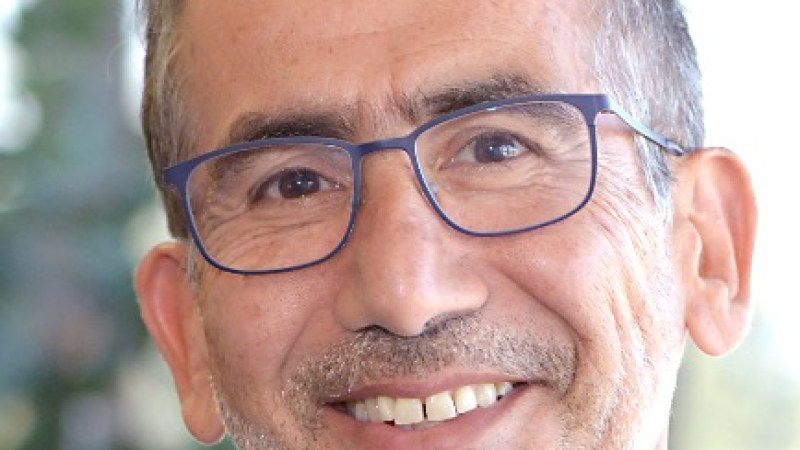
Jorge F. DiMartino, M.D., Ph.D., is Chief Medical Officer and Executive Vice President of Clinical and Translational Development at Plexium, a San Diego-based biotech pioneering targeted protein degradation. A physician-scientist trained in genetics, immunology, and pediatric oncology across UC Berkeley, Cornell, UC San Diego, and Stanford, DiMartino has spent over two decades advancing cancer drugs from bench to bedside. His fingerprints are on three now-marketed therapies: vismodegib, venetoclax, and enasidenib - each a breakthrough in its own right. At Plexium, he oversees clinical programs targeting SMARCA2, IKZF2, CDK2, and CRAF using the company's DELTA Discovery platform, a novel approach to degrading proteins previously considered undruggable.
Sofia Touami
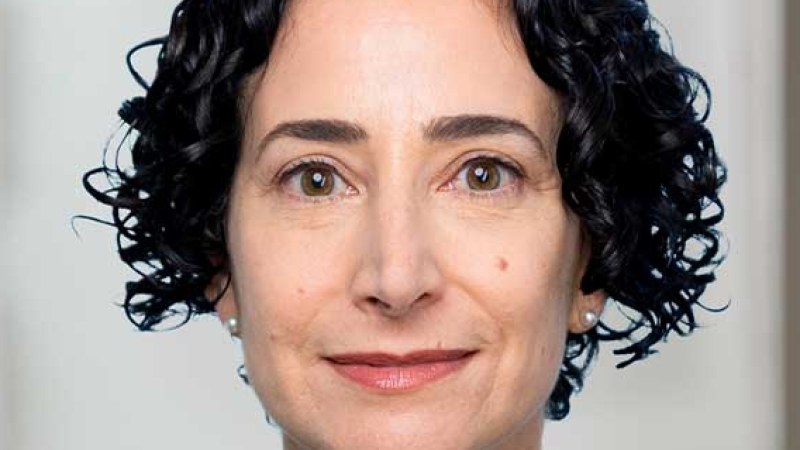
Sofia Touami, Ph.D., is the Chief Business Officer of Lycia Therapeutics, a South San Francisco biotech pioneering lysosomal targeting chimeras (LYTACs) - a platform invented by Nobel laureate Carolyn Bertozzi to degrade disease-causing extracellular proteins. A trained organic chemist who earned her Ph.D. at Stanford and did postdoctoral work at The Scripps Research Institute, Touami has built a career as one of biotech's sharpest dealmakers, having orchestrated major transactions including Frontier Medicines' landmark global collaboration with AbbVie before joining Lycia in July 2023. She helped close Lycia's oversubscribed $106.6 million Series C in May 2024, positioning the company to bring its LYTAC-based autoimmune therapies into clinical trials.