preclinical-testing
(4)
Xellar Biosystems wants AI to learn from a liver
The Boston biotech builds human tissue models on microfluidic chips, then studies their responses with imaging and AI. Its wager: better drug predictions begin with better experiments.

The Tiny Lymph Nodes Making a Very Large Bet
Parallel Bio grows repeatable human immune systems in dishes, lets robots run the experiments, and asks a blunt question: why wait for a clinical trial to learn that mice are not people?
Altasciences Bet the Drug Lab on One Idea: Fewer Handoffs, Faster Answers
The Montreal-area CRO escaped the commodity economics of generic-drug testing by stitching labs, clinics and manufacturing into one early-development platform. Its wager is simple: the science need not move recklessly for the program to move faster.
Vivodyne
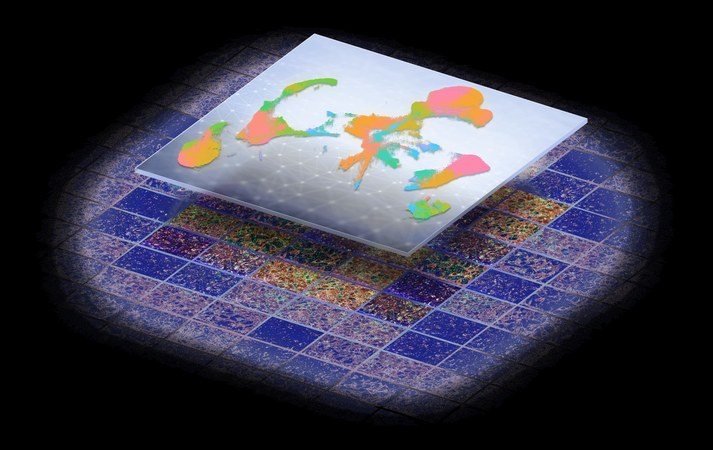
Vivodyne is a biotech company that grows more than 20 types of lifelike human organ tissues in the lab, then uses robotic automation to dose, cultivate, and analyze more than 10,000 of them at a time. The vast human datasets it generates feed multimodal AI models that predict how new drugs will behave in people - before they ever reach a clinical trial. The pitch is blunt: roughly 95% of therapies that work in animal models fail in human trials, and Vivodyne wants to fix that gap with real human data instead of mice.