pharmaceutical-marketing
(14)
Forrest King Built an Agency for the Moment After the Brief Changes
The JUICE Pharma co-founder has spent more than two decades translating creative instinct into an operating system for change: stay close to the client, make technology useful and give energetic people room to move.

The Company That Turned the Dinner Lecture Into a Compliance Machine
L&M built a business around the least glamorous parts of pharmaceutical education - contracts, dinner limits, speaker training, audit trails - then made the machinery valuable enough for Fingerpaint Group to buy it.
The Medicine Was Approved. Then the Hard Part Began.
Lucid Group built a business around an awkward truth in medicine: approval is only the beginning. Its job is to move evidence through the far messier machinery of belief, behaviour and clinical practice.

Premier Healthcare Runs the Part of Pharma Nobody Applauds
The slide deck gets the attention. Premier Healthcare makes the science, training, payments and compliance behind it behave like one system.

Virgo Health Rickrolled Hearing Loss - Then Turned the Joke Into a Hearing Test
A London healthcare agency found its edge in a difficult combination: knowing the compliance rules cold, then making the work feel nothing like compliance. Its best proof is a Rick Astley joke that moved people to book hearing tests.

Synchrony Group and the Art of Making Medicine Make Sense
The West Chester agency built two businesses around one stubborn problem: good science is useless if nobody can understand, approve, or act on it.

Joseph Gillis Built a Career Where Medical Detail Meets Commercial Reality
For 25 years, Gillis has worked in the narrow passage between dense medical knowledge and useful commercial communication. His career shows how much of healthcare's public language is built quietly, one careful brief at a time.

The Agency That Told a Client to Spend Less
Responsory began with direct mail, survived the internet, and kept the useful part: an almost stubborn insistence that creative work should answer to a number.
The Eye Doctors Behind the Marketing Copy
A small San Diego agency found a useful place to stand: between the scientists who know too much and the audiences who have too little time. Its advantage is not louder advertising. It is a roomful of eye doctors willing to argue with the draft.

The Small Canadian Agency in the Room When Medicine Has to Make Sense
For 40 years, Synapse Medcom has occupied an awkward but valuable space between the laboratory and the clinic - translating dense evidence into the meetings, materials and moments that help people act on it.

Rev One Design makes the last revision count
A Bay Area agency built a business around the edits that stand between approved ideas and printed reality. Its work shows why the small stuff deserves a specialist.

Bionical Solutions found a better way to engage: fewer platforms
Five education platforms became one, and more pharmaceutical reps used it. Inside the healthcare digital business that makes the next step easier for clinicians, patients and public-health teams.
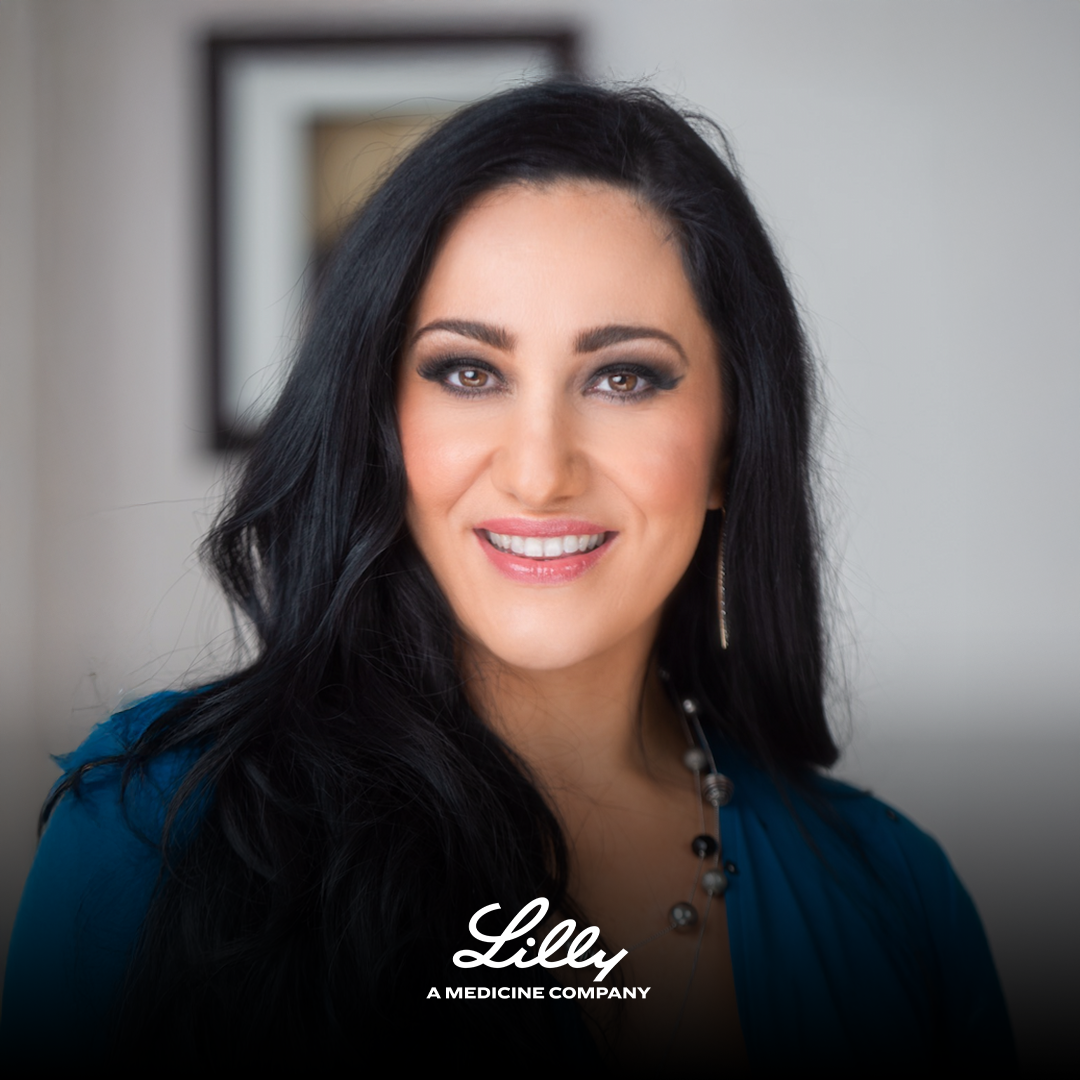
Lina Polimeni Wants Health to Have a Life Outside the Doctor’s Office
After 23 years at Eli Lilly, the Italian-born marketer is turning a pharmaceutical company into a participant in culture - and treating attention as a responsibility, not a trophy.

David Schechter
David Schechter built a career at Merck by moving across categories while holding on to one operating idea: make the room sharper, then give people space to lead. His path from vaccines and diabetes to U.S. oncology shows what long-tenure leadership can look like when candor and autonomy travel together.