patient-payments
(9)
Office Ally and the business of getting paid
A medical visit ends. The paperwork keeps its appointment. Office Ally has built a business connecting the two, with no-subscription practice software and a clearinghouse that handles more than a billion transactions a year.

TriZetto Provider Solutions and the art of getting paid
A medical visit ends. The paperwork begins. TriZetto Provider Solutions makes its living in the awkward interval between care delivered and money collected.
Vyne Dental and the very expensive missing attachment
A dental practice can finish the treatment and still wait for the money. Vyne Dental has built a business in that awkward interval, where an insurance check, an X-ray and a payment link can matter as much as the appointment itself.

The $40 Million Bet on Making Clinical Trials Boring at the Exact Moment They Get Scary
Suvoda built its reputation on the least glamorous, most unforgiving seconds in drug development: assigning the right patient to the right arm and putting the right medicine in the right place. Now, after merging with Greenphire, it wants to turn eight disconnected trial chores into one calm operating system.
ImagineSoftware Wants Medical Billing to Run Itself - Here’s the Catch
For 25 years, the Charlotte company has been teaching software the fussy rules of medical billing. Its latest bet is that the next winning revenue-cycle system will not merely organize the work - it will finish most of it.
Waystar
The company that runs the plumbing behind American medical bills is betting AI can drain billions in administrative waste - and half the country's patients are already in its pipes.

Collectly
Collectly is a San Francisco-based healthcare fintech that automates the patient side of revenue cycle management. Its AI platform plugs into more than 20 EHR and practice-management systems to run digital billing, eligibility checks, cost estimates, payments and follow-up, so medical groups collect more, faster, with fewer staff hours. Founded in 2017 and a Y Combinator graduate, Collectly says it serves 3,000+ healthcare facilities and has processed over $1 billion in patient payments. In 2025 it launched Billie, a 24/7 AI agent that answers patient billing questions and takes action across voice, chat, text and email.

Mural Health
Mural Health is a Berwyn, Pennsylvania-based clinical research technology company whose Mural Link platform is billed as the industry's first participant management system. It combines patient payments, travel and rideshare booking, two-way messaging, and real-time experience feedback into one participant-first tool aimed at helping people enroll in and stay in clinical trials while easing the administrative burden on research sites and sponsors. Founded in 2022 by Sam Whitaker - the inventor of the original ClinCard payment technology at Greenphire - the company positions itself against legacy prepaid-card systems, notably by eliminating the inactivity fees that quietly drain participant balances.
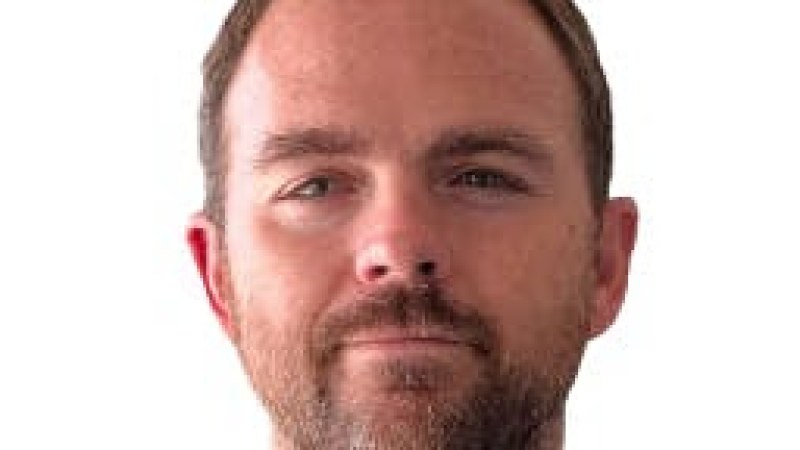
Samuel Whitaker
Samuel Whitaker is the founder and CEO of Mural Health, a Philadelphia-area clinical trials technology company building a participant-first platform that bundles fee-free payments, transportation, two-way communication, and real-time satisfaction data. He invented the original participant payment tool, the ClinCard, when he founded Greenphire in 2008 and grew it into a billion-dollar company on roughly $2.2 million of outside capital. After a stint as CTO of Signant Health, he launched Mural Health in 2022 to push the same idea further: treating the trial participant, not just the sponsor, as the customer. He also drove the creation of the Harley Jacobsen Act, federal legislation to stop taxing payments to clinical trial participants.