palo-alto-biotech
(5)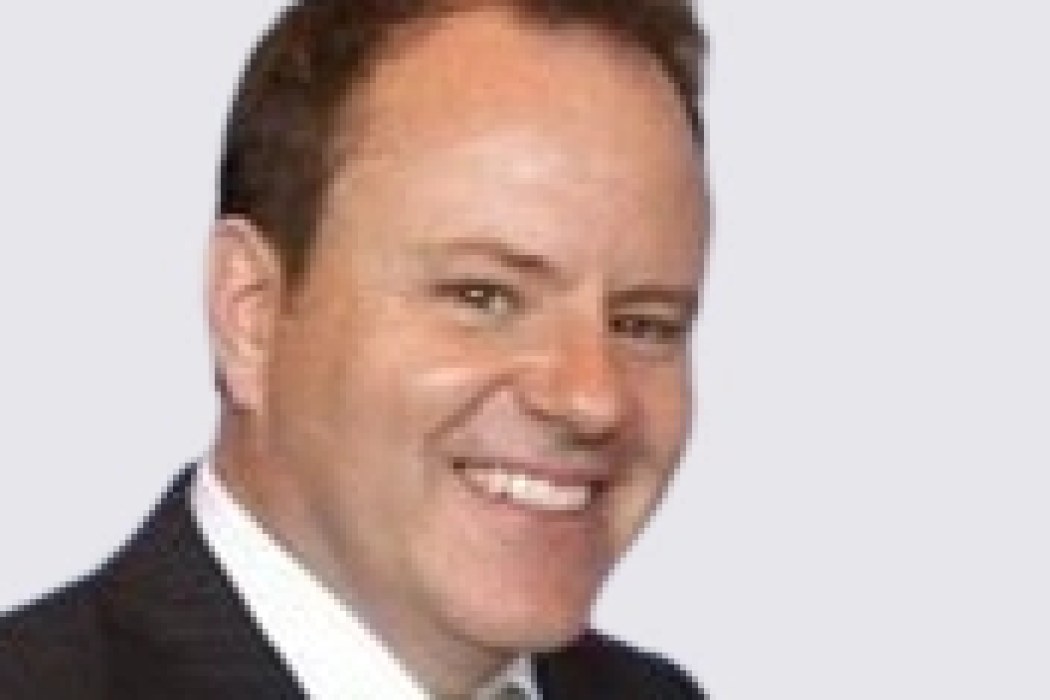
Steven Everett
Steven Everett is a biotechnology executive and cancer scientist who founded MaveriX Oncology in Palo Alto, California, where he serves as President and CEO. With a background rooted in more than two decades of cancer research at the University of Oxford, University of Dundee and UCSF, he has built his career around a single idea: making cancer drugs that switch on only inside tumors. At MaveriX he is developing conditionally activated small-molecule therapeutics that exploit hydroxylase biology in the tumor immune microenvironment, aiming to hit cancer hard while sparing healthy tissue.

Auransa
Auransa is a clinical-stage, AI-native biopharmaceutical company in Palo Alto, California, that uses a proprietary machine-learning platform - the SMarTR Engine - to mine large, heterogeneous human disease datasets and discover novel cancer therapies without starting from a predefined drug target. Founded in 2014 by Pek Lum and Viwat Visuthikraisee, the company pairs each predicted compound with the patient subtypes most likely to respond, aiming to improve the odds of clinical success. Its lead program, AU-409, an RNA transcription modulator for advanced liver cancer, is in Phase 1 trials, with additional programs including heart-safe chemotherapy.

Grace Science, LLC
Grace Science, LLC is a Palo Alto-based biotechnology company founded in 2017 by Silicon Valley entrepreneur Matt Wilsey and Nobel laureate chemist Dr. Carolyn Bertozzi to develop therapies built on the biology of NGLY1, an enzyme central to protein quality control. The company grew out of a father's search for a treatment after his daughter Grace was diagnosed with ultra-rare NGLY1 Deficiency. Its lead program, GS-100, is an AAV9 gene replacement therapy now in a Phase 1/2/3 clinical trial and holds FDA RMAT designation. Grace Science also pursues small-molecule and biomarker work that extends NGLY1 biology into oncology and neurodegeneration.
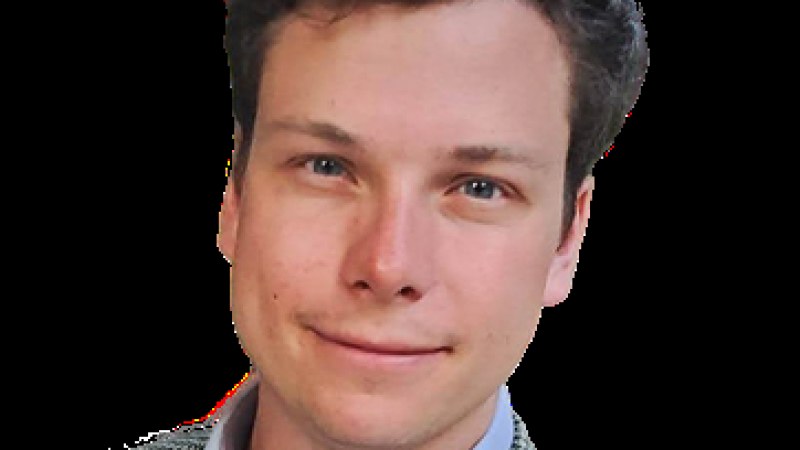
Weston Kightlinger
Weston Kightlinger is the CEO and co-founder of Ridge Bio (Ridge Biotechnologies), a Palo Alto biotech that left stealth in September 2025 with $25 million in seed funding to design precision enzymes and targeted therapeutics by pairing machine learning with massive cell-free laboratory datasets. A Northwestern-trained scientist with a background in cell-free protein synthesis and protein glycosylation, he turned a decade of bench work into a company whose advisory board reads like a who's-who of chemical biology, including Nobel laureate Carolyn Bertozzi.
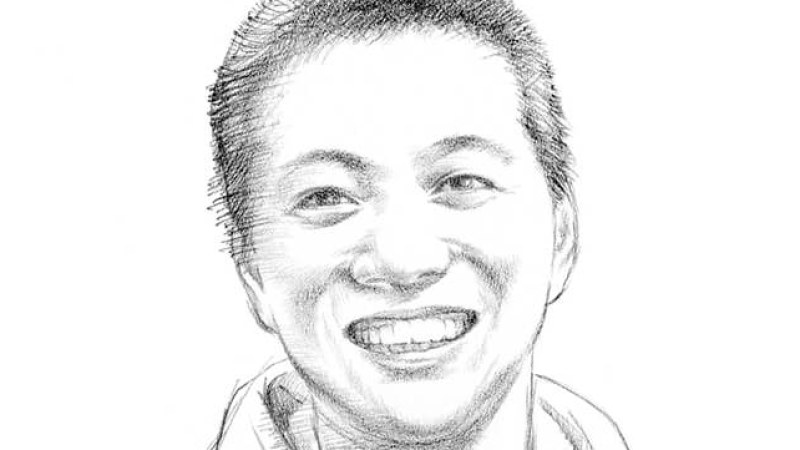
Koji Tanabe
Koji Tanabe is the founder and CEO of I Peace, Inc., a Palo Alto and Kyoto biotech building an automated platform to mass-manufacture clinical-grade induced pluripotent stem cells (iPSCs). He earned his PhD in the Kyoto University lab of Nobel laureate Shinya Yamanaka and was a co-author of the landmark paper that first reported the creation of human iPS cells. After postdoctoral work at Stanford, he founded I Peace in 2015 with the goal of giving every person access to their own stem cells for therapy and longevity.