oxford-spinout
(3)
Perspectum wants your MRI to put a number on disease
An Oxford spin-out turns MRI scans into measurements of organ health. Its harder task is proving that better numbers lead to better decisions - and are worth paying for.

Torsten Reil and the Long Walk from Oxford to Helsing
A creature took its first steps in an Oxford computer simulation. Decades later, the biologist who built it is helping Europe put artificial intelligence into aircraft and other defense systems.
ONI
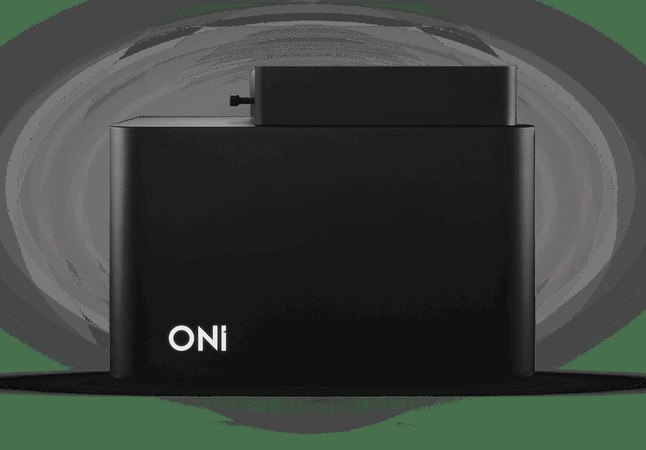
ONI (Oxford Nanoimaging) is an Oxford University spinout that shrank the super-resolution microscope from a room-sized, six-figure instrument into a desktop box the size of a sheet of A4 paper. Its flagship Nanoimager resolves single molecules down to 20 nm and pairs with the cloud-based CODI platform for analysis and collaboration, opening single-molecule science to labs studying everything from extracellular vesicles to lipid nanoparticles and cancer.