online-communities
(15)
Betsperts Built a Sports Media Portfolio by Learning When to Leave Good Communities Alone
The Chicago company raised millions to build a social betting app. Its more durable idea was quieter: buy beloved niche sports brands, keep their identities intact and sell useful tools to the fans who already live there.

Facebook’s Second Act Is Happening in the Places the Internet Forgot
The original social network is no longer the internet’s newest room. It may be something harder to replace: the noticeboard, video channel, classifieds section and community hall used by billions.
Reddit, Inc.
The self-described front page of the internet spent nineteen years as a scrappy forum before going public. Now its archive of human argument has become one of the most valuable training grounds in artificial intelligence.

The Quiet War to Own the Audience You Rent
From a forum engine older than the iPhone to a fresh crop of venture-backed startups, a whole industry now sells institutions the same promise - a home for their people that no algorithm can take away overnight.

Nobody Owns A Community They Just Rent The Room
Gravyty, Podia, Khoros, Bevy, Personify and a crowd of rivals all sell the same promise - that your audience is an asset you control. The platforms making that promise keep getting bought, merged and switched off.

You Don't Own the Community You Built
Skool, Circle, Discourse, Gainsight, Salesforce and Gravyty are all selling the same thing - a place for your people to gather. The difference is who keeps the keys.

Everyone Is Suddenly In The Business Of Belonging
From a Fortune 500 CRM to a solo podcaster's chat room, four very different companies are chasing the same prize - the crowd that keeps coming back. Here is how the fight for online community actually breaks down.

The Quiet Land Grab to Own Your Community
Zendesk, Khoros, Thinkific, Disciple and a pack of rivals are betting that organizations will pay to own the audiences they once rented from Facebook. Here is how the community software scramble is shaking out.
Skool
How a deliberately plain community platform - five tabs, one price, and a points-for-likes game - became the default home for the paid-community economy.
Bettermode Wants Your Customers to Belong, Not Just Log In
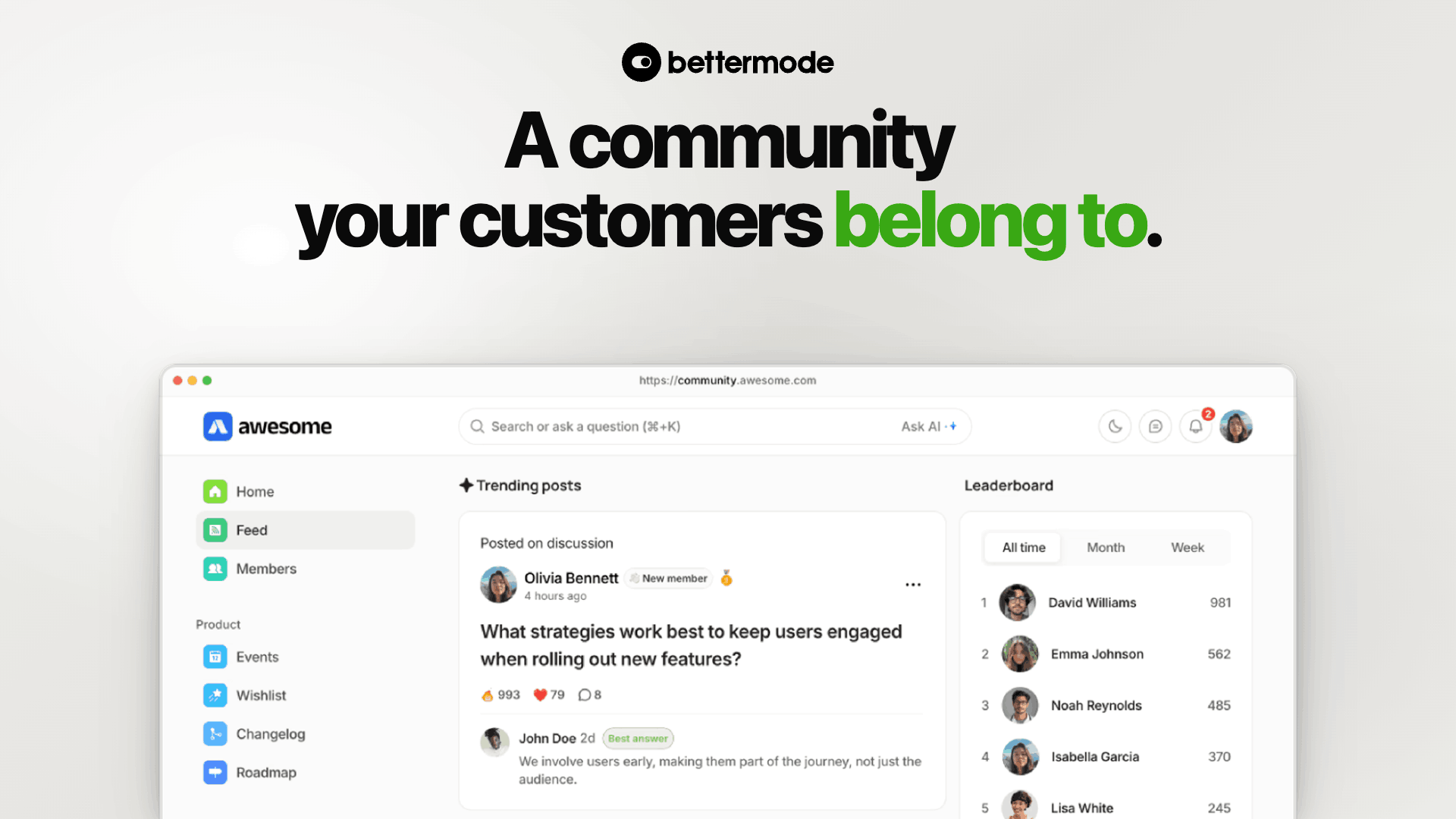
Toronto's Bettermode - the platform once known as Tribe - is betting that the answer to churn isn't another support ticket, but a place where customers actually want to hang around.

Circle Wants Creators to Stop Renting Their Own Audience
The all-in-one community platform crossed into profitability at roughly $27M in ARR by betting that creators would rather own their home than build it on rented land. Now it is rebuilding that home to be AI-native.
Khoros
Two decades after inventing the branded online community, the Austin software maker is betting that the millions of customer conversations it hosts are its real product - and that AI is how it finally reads them.

CMNTY Corporation
CMNTY spent years turning the messy work of listening to customers into one research room. Now, under MarketResponse, its mix of communities, live conversations and analysis shows why the best insight tools do more than count answers.

OpenWeb
OpenWeb is a social engagement and monetization platform that helps publishers own the conversation on their own sites instead of renting their audiences to social networks. Founded in Israel in 2015 as Spot.IM and now headquartered in New York, it pairs comment sections, live blogs and polls with AI moderation and in-conversation advertising. The company works with 5,000+ publishers, reaches more than 150 million monthly active users, and reached a $1.5B valuation after a $170M Series F in 2022.
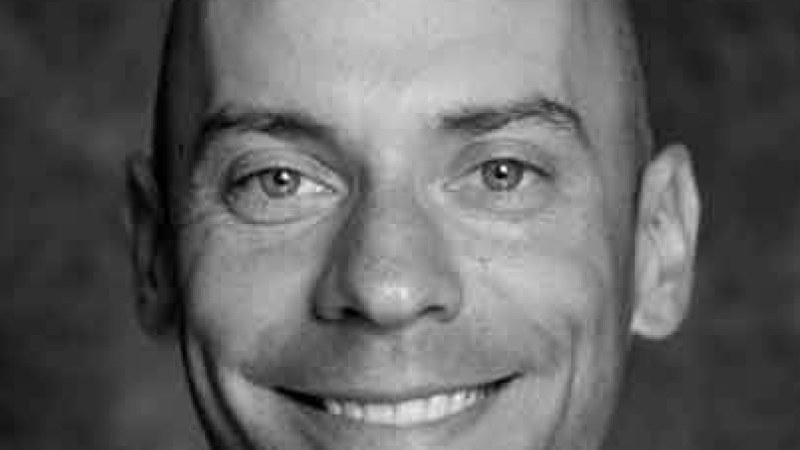
Jim Daily
Jim Daily is the CEO of OpenWeb, the audience-engagement and conversation platform for digital publishers. He took the top job on April 1, 2025, arriving after almost a decade scaling Teads in North America from a standing start to roughly $275 million in annual revenue, and after a detour founding LinksDAO, a golf-community venture he grew to $11 million in ten months. A Boston University hospitality grad turned adtech operator, Daily is the rare media leader who pairs go-to-market discipline with a near-religious belief that healthier online conversation is good business and good for society.