non-human-identities
(13)
Reveal Security watches what happens after “Welcome back”
A valid login can conceal a stolen session, an impatient insider or an AI agent with too much freedom. Reveal Security follows the behavior that comes next.

Linx Security and the employee who never quite left
An employee leaves. Their access stays. Linx Security turns that small administrative oversight into a map of enterprise risk - and a case for automation that can explain itself.
Doppler and the Tiny File That Became Everyone's Problem
A developer's nuisance grew into a company with a large ambition: make the credentials behind modern software easy to find, change, and govern before one forgotten key causes a very public mess.

The Five-Minute Window: Why P0 Security Wants Privilege to Expire
The old security bargain gave engineers broad access because emergencies could not wait. P0 Security is betting that the better bargain is privilege measured in minutes - for people, machines, and now AI agents.
The Password Disappeared. The Identity Problem Got Bigger.
TruU set out to kill the office password. Then it discovered that the more interesting question begins after login: who - or what - is really acting inside the system?

Silverfort’s Bet: Protect the Logins Your Security Stack Forgot
Most identity tools guard the front door. Silverfort built a checkpoint for the side doors - legacy apps, service accounts, command lines and now AI agents - without asking companies to rebuild the house.

Saviynt Spent 16 Years Policing Employee Access. Then the Employees Stopped Being Human.
The enterprise-security company built one control room for human access. Now a fast-growing population of AI agents is testing whether that converged model can govern machines moving at machine speed.

Abhay Kulkarni Bet the Breach Happens After Login
After scaling clouds for tens of millions of users, Abhay Kulkarni returned to cybersecurity with a stubborn question: why do defenses stop watching at the moment an identity gets in? WideField followed the session instead - all the way back to Cisco.

AI Agents Have the Keys. Vorlon Wants to Watch What They Do Next
The Mountain View security startup began by watching third-party APIs. Then AI agents arrived, inherited the credentials, and made the overlooked space between apps the main event.
The Free Security Tool That Became a $40 Million Bet on One Annoying Question: Is That Key Still Live?
TruffleHog started as a weekend bug-bounty tool and grew into an enterprise security platform by attacking the least glamorous part of a credential leak: separating live danger from a pile of convincing-looking junk.
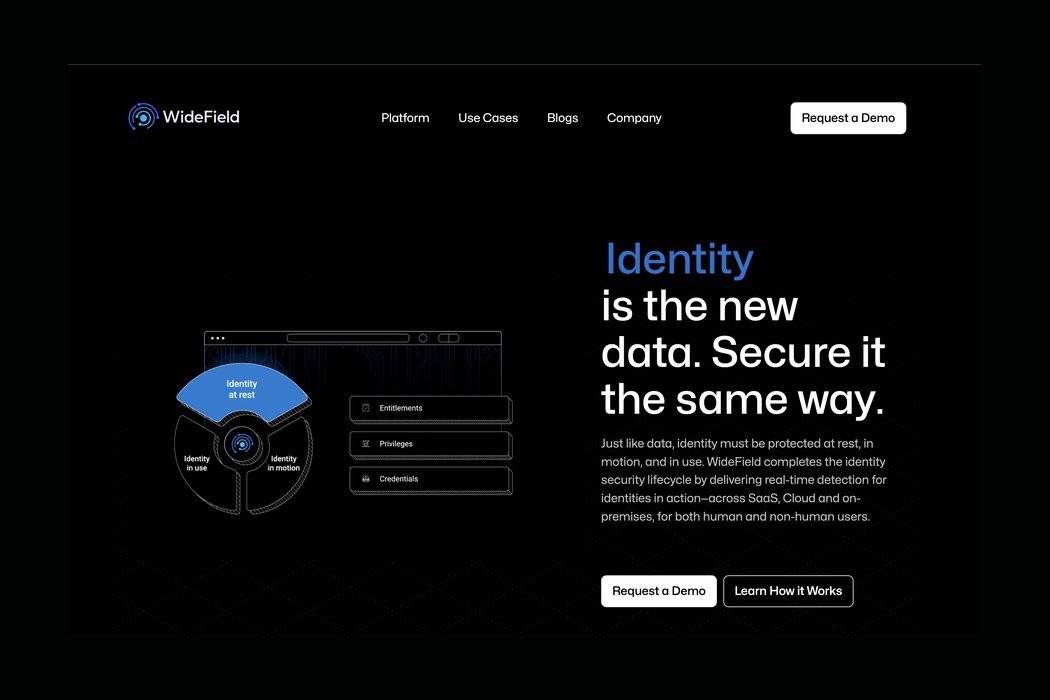
WideField Watched What Happened After Login - Then Cisco Bought the View
Most security tools check the badge at the door. WideField followed the badge through every room - a post-login bet that carried the three-year-old startup into Cisco and Splunk.

Lumos
Lumos began by replacing the IT ticket queue with an internal app store. Six years later, it is betting that the next identity administrator will be a coordinated crew of software agents - with humans reserved for the judgment calls.
Valence Security
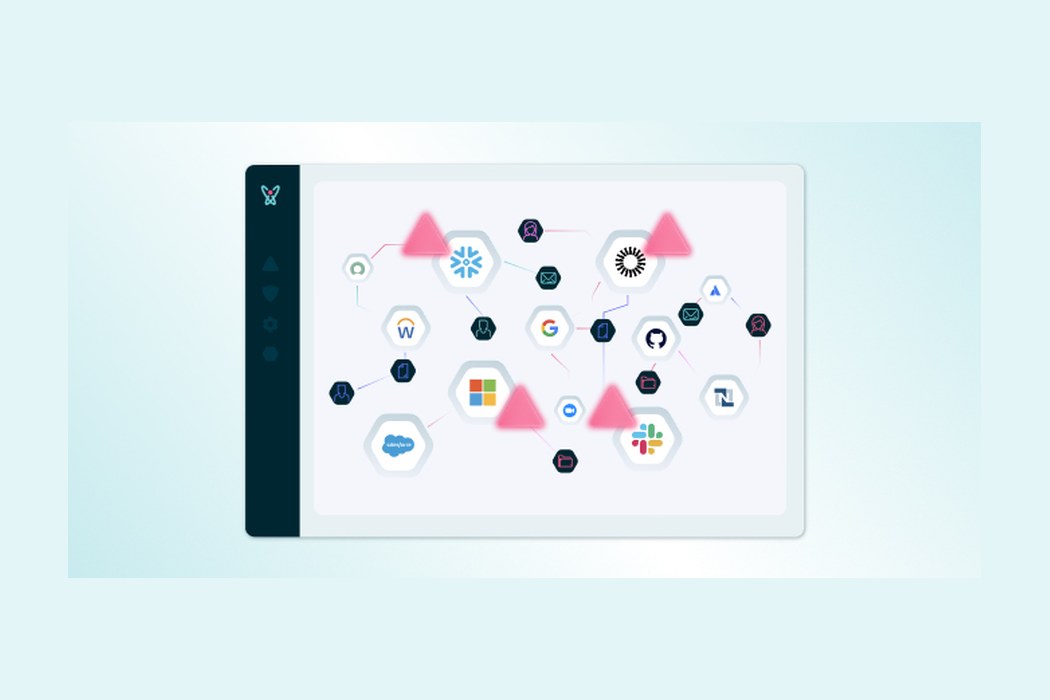
Valence Security is a SaaS and AI security company that helps enterprises find and fix risks created by SaaS and AI sprawl. Its platform unifies SaaS discovery, SaaS Security Posture Management (SSPM), AI Security Posture Management (AI-SPM), and Identity Threat Detection and Response (ITDR), then pairs that visibility with one-click and collaborative remediation workflows that engage business users to actually close gaps. Founded in 2021 and backed by Microsoft's M12, YL Ventures, and Porsche Ventures, Valence positions itself as a leader in securing the modern, agentic SaaS estate.