motion-planning
(4)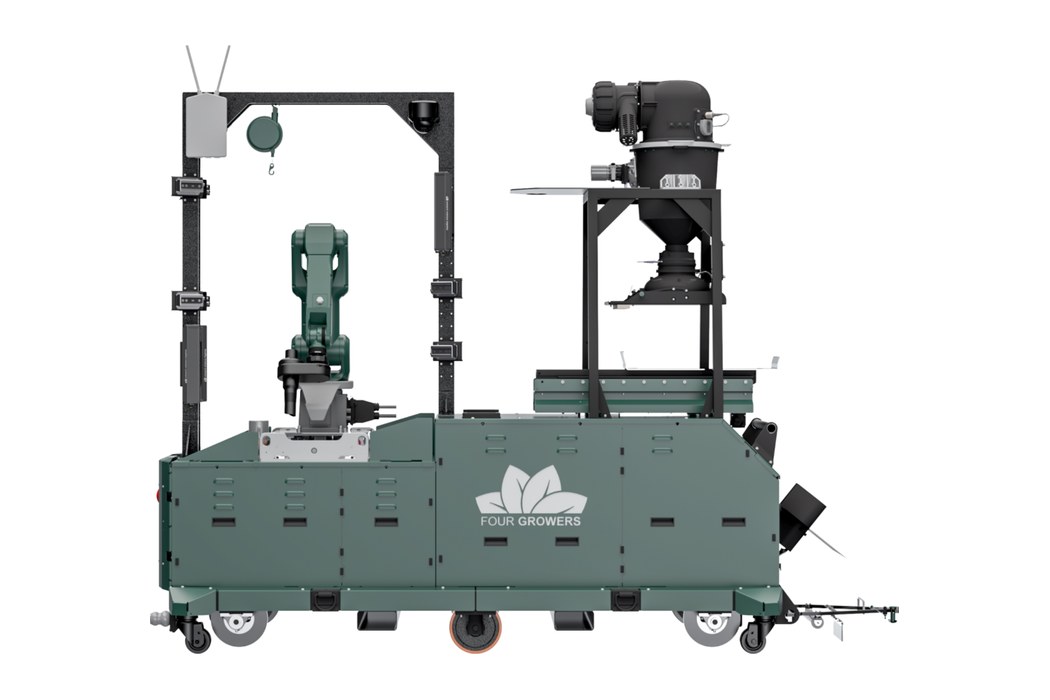
The Robot That Picks a Tomato Better Than You Can
Two Pitt engineers spent months living in greenhouses to learn why picking a tomato is so hard for a machine. Their answer, the GR-100, now harvests faster than the humans it works alongside.
Realtime Robotics, Inc.
Realtime Robotics is a Boston-based deep-tech company that gives industrial and collaborative robots the ability to plan collision-free motion in real time. Spun out of DARPA-funded research at Duke University in 2016, its RapidPlan software and RapidSense perception system let robots generate and adjust their own paths in microseconds, cutting the time and cost of programming, deploying, and coordinating multiple robots in a shared workspace. Its technology is used by manufacturers including the BMW Group, and the company is backed by strategic investors such as Mitsubishi Electric, HAHN Automation, and SAIC Capital.
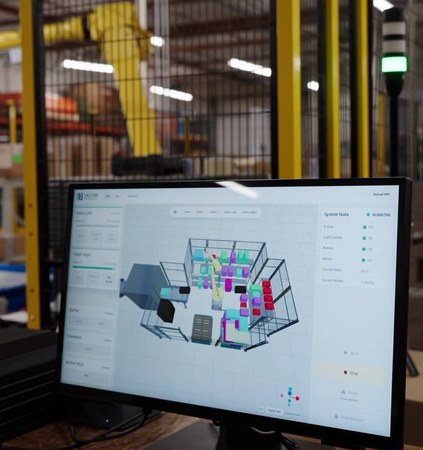
Jacobi Robotics
Jacobi Robotics is a UC Berkeley spinout building AI-powered motion planning software that lets industrial robot arms be programmed and deployed in under a day instead of a month. Its platform generates collision-free trajectories in under a millisecond, and its flagship product, the Jacobi OmniPalletizer, handles real-time mixed-case palletizing without pre-sequencing. Founded in 2022 and launched publicly in 2024 with a $5M seed round, the company partners with robotics providers like Formic and ABB to bring faster, cheaper automation to manufacturers and warehouses.
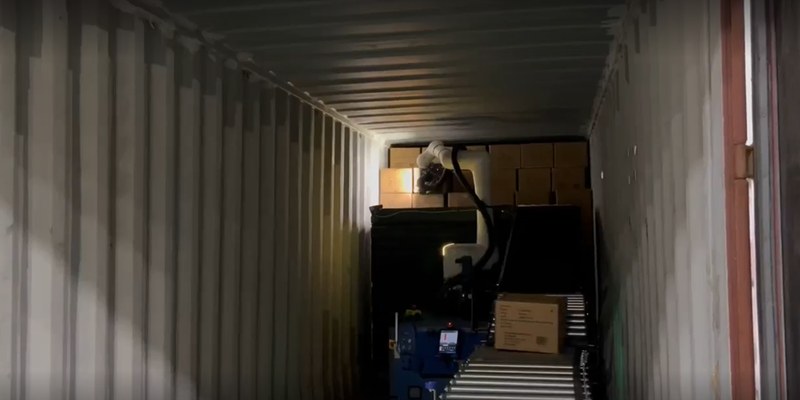
Anyware Robotics
Anyware Robotics is a Fremont, California startup building deployable physical AI for industrial work. Its first product, Pixmo, is a mobile robot that drives into a shipping container or trailer and unloads boxes - up to about 1,000 cases per hour - using a force-sensing collaborative arm and an AI stack the company calls AnywareOS. Founded in 2023 by former UC Berkeley researchers and FANUC engineers, the company aims to take over the back-breaking jobs that warehouses can no longer reliably staff.