medical-technology
(13)
Michele Schicchi Markets the Machinery Behind the Modern Lab
From an Army armory across the river from Manhattan to the executive team of a global laboratory-software company, Michele Schicchi has built a career around a stubborn idea: the mission matters, but people make it move.

Larry Rubin Has Been Building AI Since Before It Was Fashionable
A 1991 neural-network patent, a career crossing laboratories and startups, and one durable idea: make difficult measurements useful outside the room where experts usually take them.
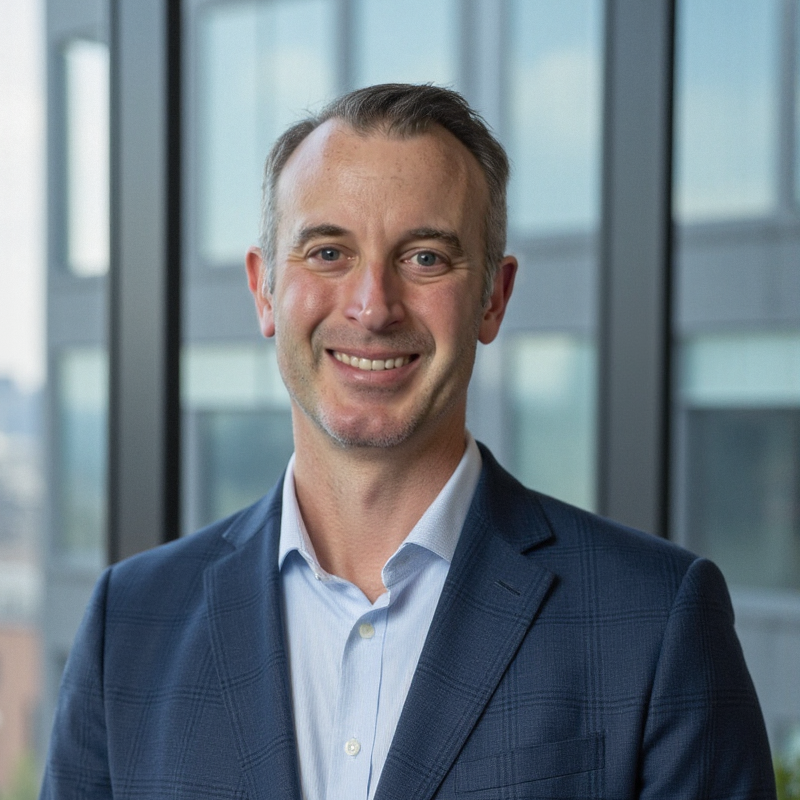
Brad Younggren’s Career Is a Map of Where Care Is Going Next
From a Stryker unit in Iraq to smartphone diagnostics, text-first primary care and a newly acquired Seattle startup, Younggren has spent two decades asking the same practical question: how much closer can the system move to the person who needs it?

Nick Luekenga Built a Company Around the Signal Nobody in the Operating Room Could Afford to Miss
A surgeon's discomfort became an operator's question: what if the nervous system could speak more clearly during surgery? Two decades later, Luekenga is still building around that answer.
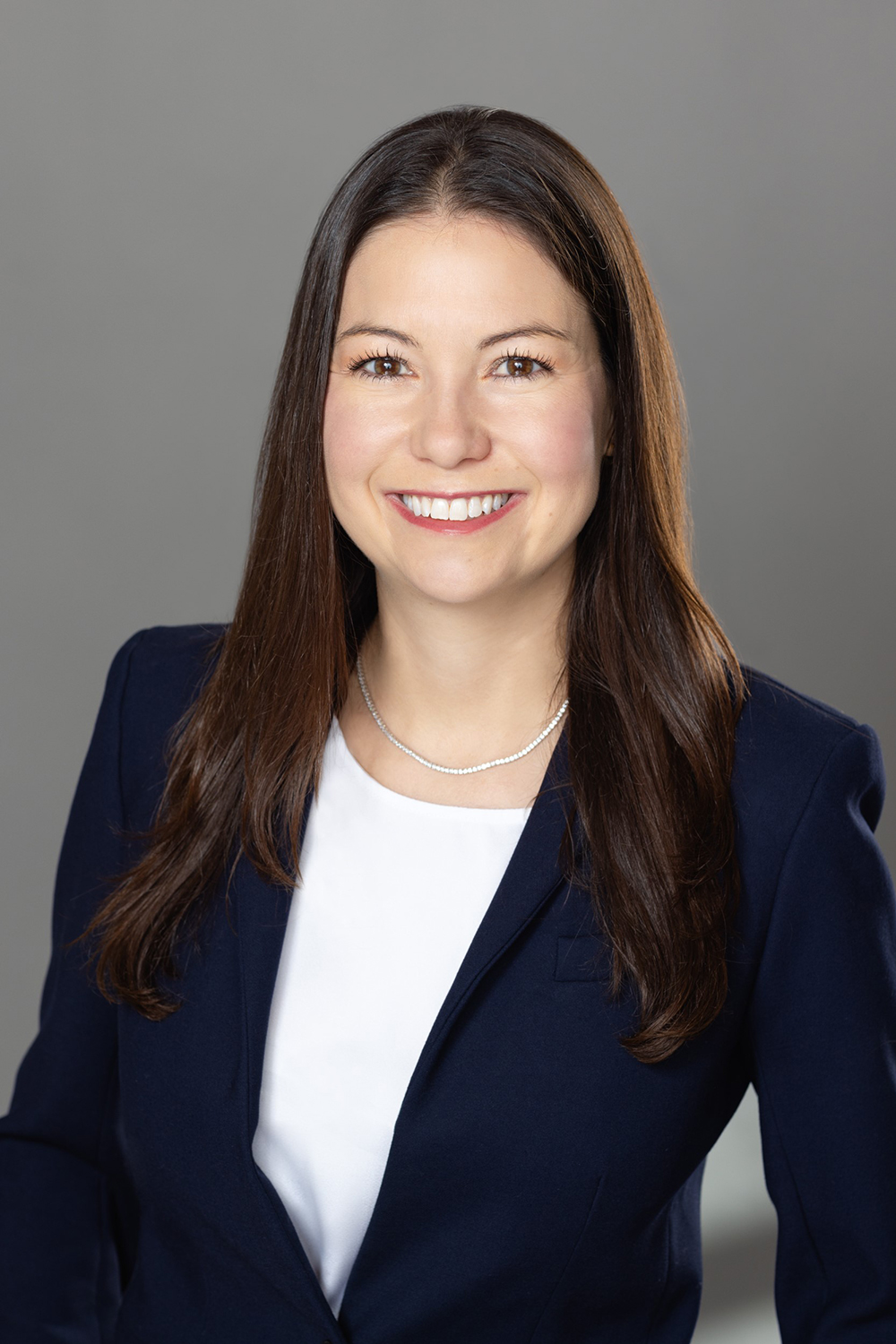
Cristy Simon Is Building the Commercial Language for a 160-Year-Old Company
After years translating medical technology for global markets, Cristy Simon took on a different kind of brief: give a sprawling, purpose-led organization a commercial strategy its people can actually use.

Jessica Grossman Keeps Choosing the Harder, More Useful Company
The physician-turned-founder has spent two decades converting clinical frustration into companies, products and hard-won momentum. At IgGenix, her operating system is simple: keep the mission close, the team candid and the next milestone concrete.
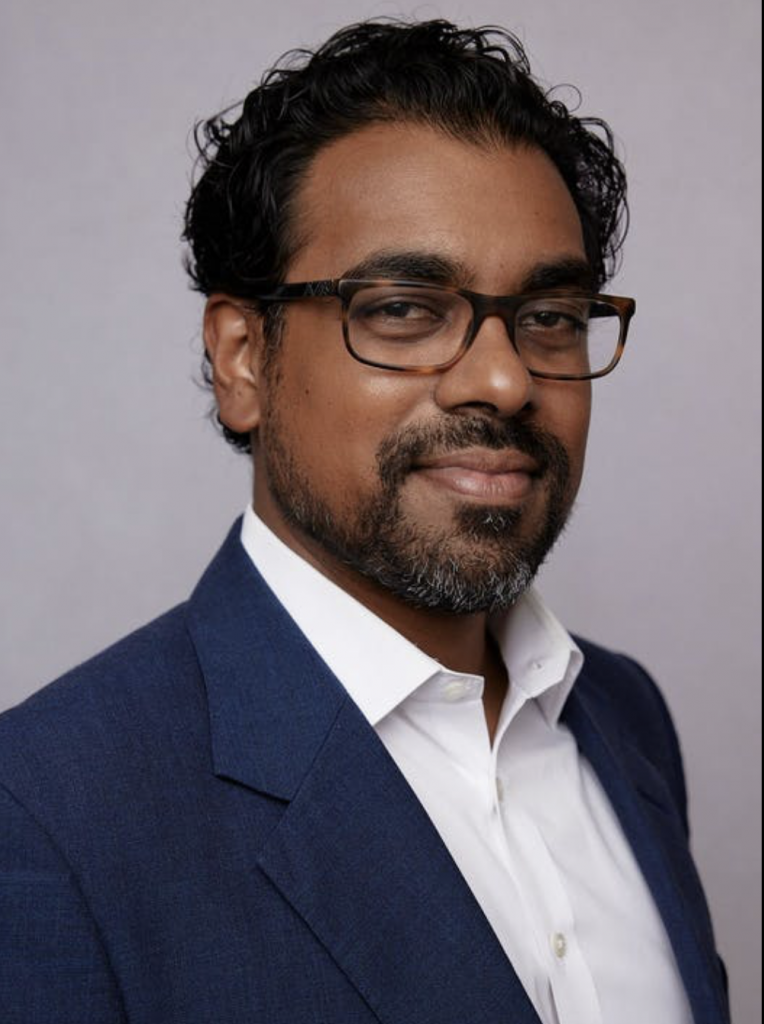
David Kuraguntla Built Alio by Learning When to Leave the First Idea Behind
A planned surgical career became a decade-long lesson in risk, reinvention and patient-centered product design. The result is Alio - and a founder’s playbook built around fast decisions, aligned incentives and the discipline to change course.

Jackie Helfrich Sells the Invisible Parts That Hold the World Together
She markets connectors and sensors most people never see - the components inside airplanes, hospitals, factories and power grids - and has spent 20 years turning quiet industrial hardware into a story buyers can follow.
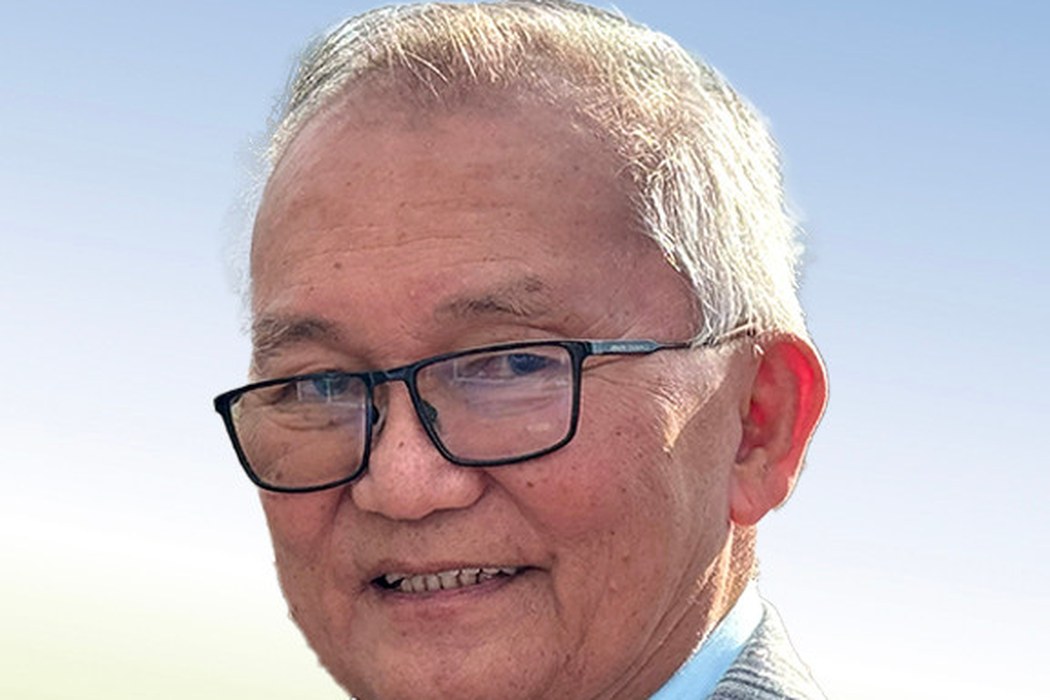
Ted Belleza
Ted Belleza is the founder, President and CEO of URO-1, Inc., a medical device company based in Greensboro, North Carolina that develops the SUREcore biopsy needle and coreCARE specimen-retrieval kit for prostate and soft tissue biopsy. A serial MedTech entrepreneur with more than 35 years of business experience and prior roles at Gynesonics (acquired by Hologic), Endosee (acquired by CooperSurgical) and LiveLeaf Bioscience, Belleza came out of retirement after his own prostate cancer experience to redesign what he calls an antiquated biopsy procedure, aiming to give physicians bigger, better and more consistent tissue samples.
Bing Li
Bing Li is the CEO and co-founder of Intalight, an ophthalmic imaging company behind the DREAM OCT swept-source platform. Founded in 2014 by a group of scientists and Silicon Valley industry veterans, Intalight built one of the first swept-source OCT devices in 2019 and has since powered more than 170 peer-reviewed retinal-imaging studies. Trained as an engineer and applied mathematician, Li moved from the auto and semiconductor industries into eye care, betting that faster, deeper, wider retinal scans would change how clinicians see inside the eye. In May 2025 the company won CE Mark clearance to sell DREAM OCT across the European Union, with FDA review pending in the United States.
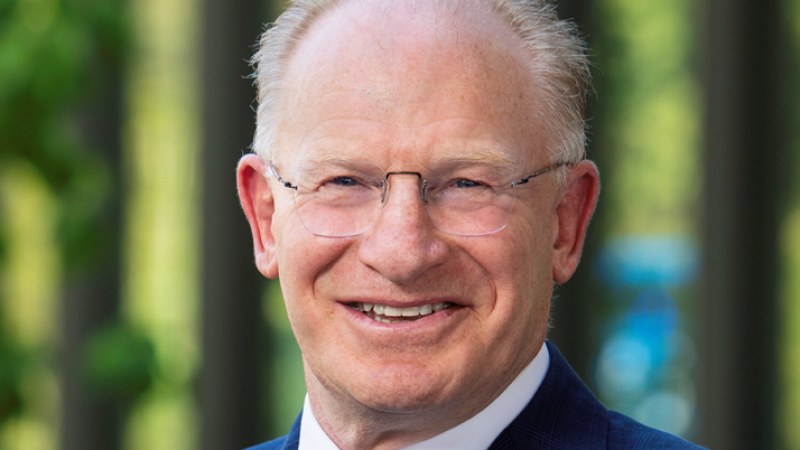
John Adler
John R. Adler Jr., MD is a neurosurgeon, inventor, and serial entrepreneur best known for inventing the CyberKnife robotic radiosurgery system at Stanford University - a device that has treated over two million patients worldwide. Now CEO of ZAP Surgical Systems in San Carlos, California, he leads development of the ZAP-X gyroscopic radiosurgery platform: a self-shielded, vault-free system that brings precision brain radiosurgery to outpatient settings globally. A 2025 inductee into the National Inventors Hall of Fame, Adler is also co-founder and former editor-in-chief of Cureus, an open-access medical journal acquired by Springer Nature. With over 300 peer-reviewed publications and 20+ US patents, he holds the Dorothy and TK Chan Professorship Emeritus at Stanford.
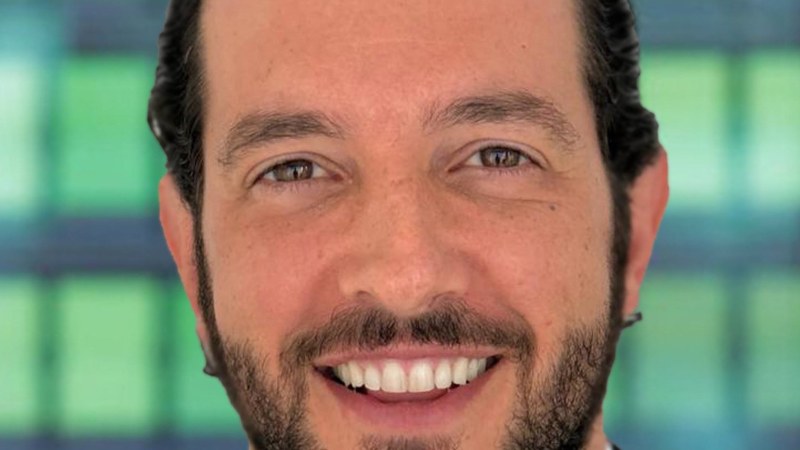
Enrico Carbone
Enrico Carbone is a Brazilian-born General Partner at Reaction, a Palo Alto-based impact venture fund co-founded by 150+ Stanford alumni across 45 countries, focused on improving one billion lives within a decade through health technology and climate innovation. After a 22-year career in global investment banking at firms including Credit Suisse, Merrill Lynch, and BR Partners, he transitioned to venture capital and now also serves as Founding Managing Partner of Irukandji Capital (IKJ Capital), an early-stage healthcare technology fund. He is a Stanford Executive Program (SEP '18) graduate, a recognized GSB Centennial Alumni Catalyst, and a board member of Health in Harmony, an NGO serving indigenous communities in Indonesia, Madagascar, and Brazil.
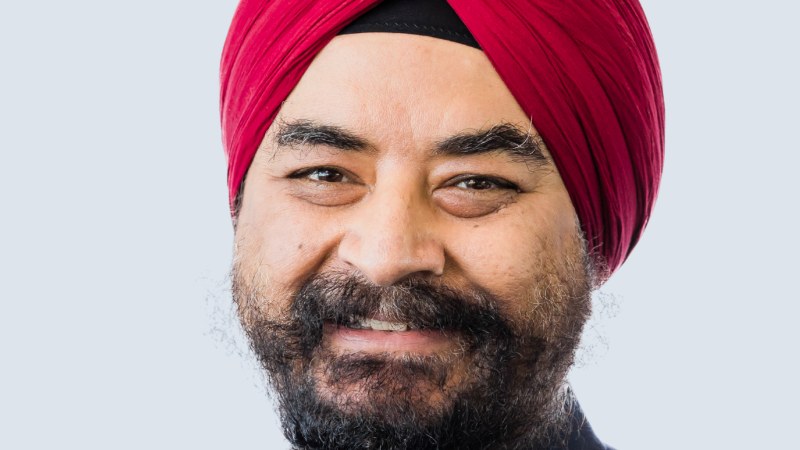
Prithipal Sethi
Dr. Prithipal S. Sethi is a board-certified urologist, founder and CEO of Golden State Urology, and Chief Medical Officer at Promaxo - the company pioneering in-office MRI technology for prostate cancer diagnosis and treatment. With over 25 years of clinical practice, 2,500+ enlarged prostate procedures performed, and a career rooted in bringing advanced imaging technology directly into the urologist's office, Sethi straddles the worlds of clinical medicine and medical device innovation. Trained at UC Berkeley, St. Louis University, and Medical College of Wisconsin, he built Golden State Urology from a single Stockton practice in 2004 into a multi-location Northern California institution, and now serves as a clinical voice for a technology that is reshaping how prostate cancer is caught and treated.