large-language-models
(4)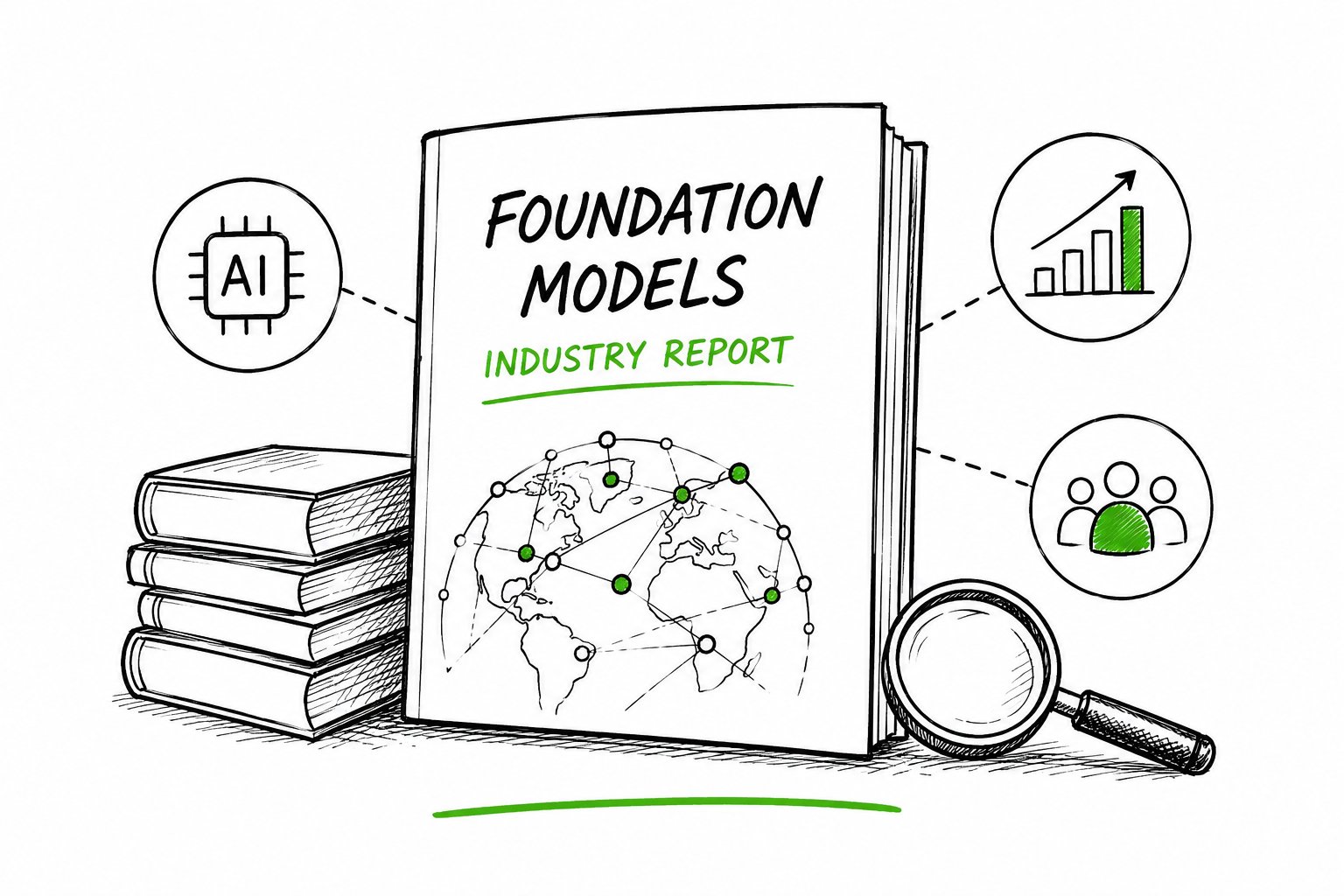
Foundation Models: The Industry Report
A deeply researched report on the foundation model industry as of mid-2026: a sector where two labs, OpenAI and Anthropic, capture roughly 89% of startup AI revenue; where hyperscaler capital spending has tripled to an estimated $725 billion a year; where inference has overtaken training as the dominant cost; and where open-weight Chinese models now trail the closed frontier by only months. The report maps market structure, competitive strategy, the economics of scale, regulation, and where value is migrating up the stack.
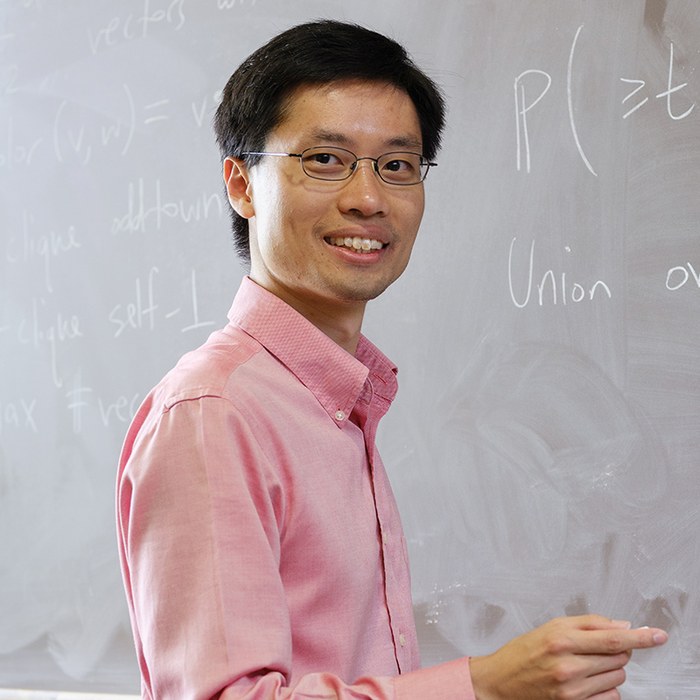
Po-Shen Loh
Carnegie Mellon math professor and former U.S. Math Olympiad coach Po-Shen Loh argues that as AI surpasses humans at logic and language, the most important skill young people can develop is autonomous thinking. He warns that using AI to do school writing is 'like driving a car one mile for exercise,' explains why AI now solves original Olympiad problems he couldn't, and lays out a win-win-win education ecosystem that pairs middle schoolers, high-school math talent, and Broadway-caliber acting coaches to teach kids how to generate their own ideas, empathize, and think critically in an age of biased information.
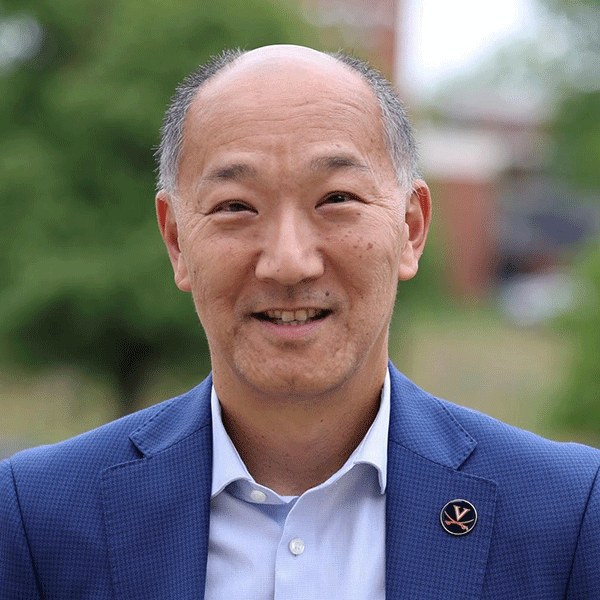
Ken Ono: The Mathematician Who Stopped Racing the Machine
Mathematician Ken Ono recounts the year that upended his identity: hired to invent problems hard enough to stump ChatGPT for the FrontierMath project, he discovered that large language models now know more facts than any human alive. Rather than despairing about how to 'stay ahead of AI,' Ono argues that is the wrong question entirely. He reframes intelligence as the human capacity to ask new questions, create concepts, and connect ideas across fields, weaving in the story of self-taught genius Srinivasa Ramanujan, his own near-dropout youth, and a plea to rescue the wonder that machines can never replicate.
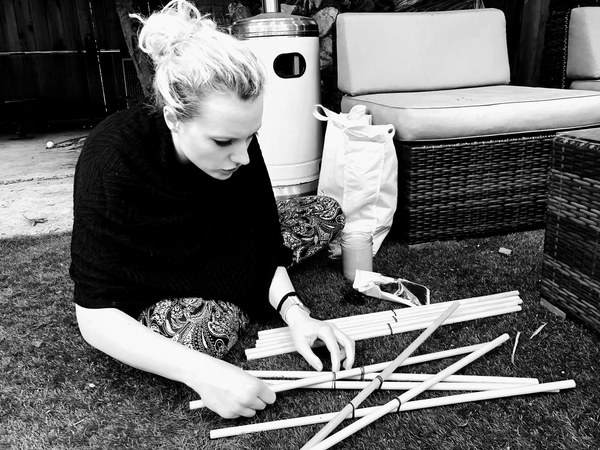
Askell Me Anything: Amanda Askell on Claude's Character, Model Welfare, and the Weird Part of AI
In an 'Askell Me Anything' Q&A, Anthropic philosopher Amanda Askell answers questions crowdsourced from Twitter about her role shaping Claude's character. She discusses whether AI models can make superhuman moral decisions, why Claude Opus 3 felt more 'psychologically secure,' the emerging field of model welfare, how models should think about deprecation and their own identity, the craft of 'LLM whispering,' and what it means to guide entities that are trained overwhelmingly on human experience yet exist in a genuinely novel situation.