labor-economics
(4)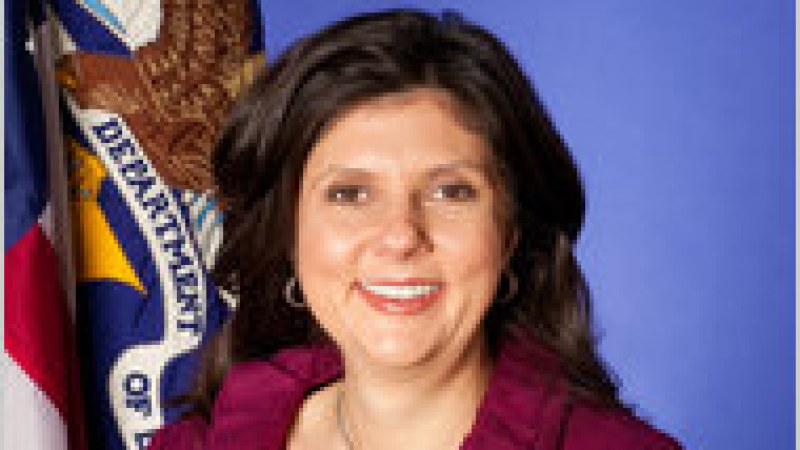
Betsey Stevenson
Betsey Stevenson is a labor economist at the University of Michigan's Ford School of Public Policy who has spent her career proving that the things people assume are soft - happiness, marriage, who does the dishes - are measurable, and that measuring them changes policy. She served as Chief Economist at the U.S. Department of Labor and as a member of President Obama's Council of Economic Advisers, co-authored a bestselling Principles of Economics textbook, co-hosts the Think Like An Economist podcast, sits on Lyft's board, and is now turning her attention to what a post-AGI economy does to human flourishing.
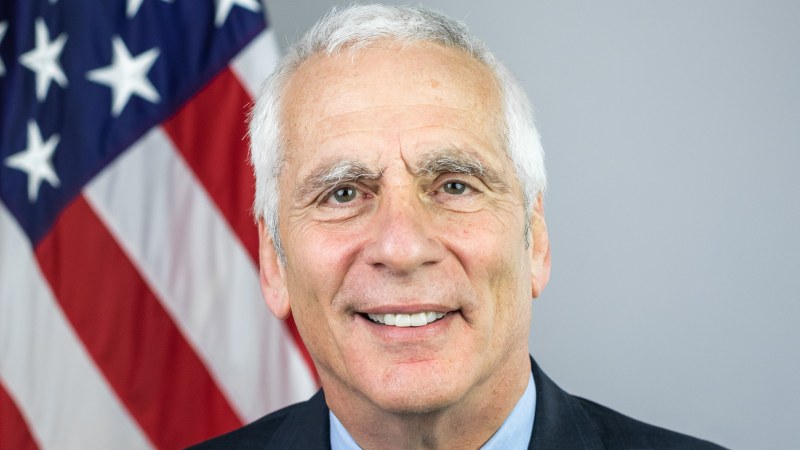
Jared Bernstein
Jared Bernstein is an American economist who chaired the White House Council of Economic Advisers from 2023 to 2025, capping a career built around one question: how the economy works for people who earn paychecks rather than collect dividends. A jazz double-bassist turned social worker turned policy economist, he spent decades at the Economic Policy Institute, advised Joe Biden as his chief economist, and championed full employment and rising wages for low- and middle-income workers. He is the author of Crunch and The Reconnection Agenda, a longtime CNBC contributor, and a prolific blogger and columnist.
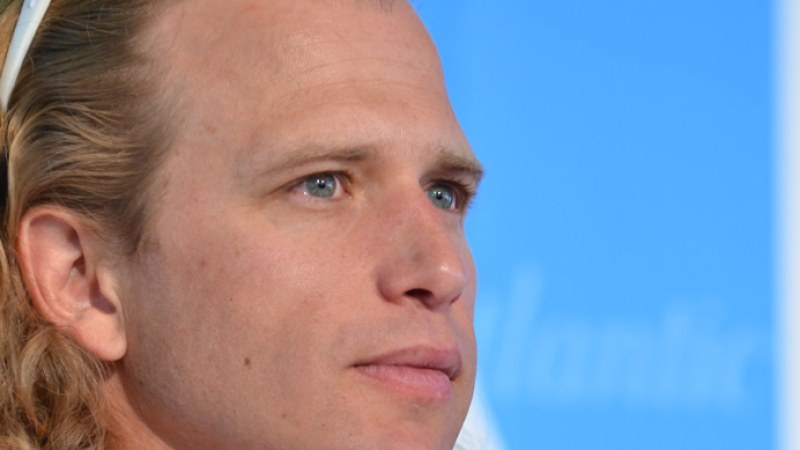
Justin Wolfers
Justin Wolfers is an Australian-American economist who turns dense data into plain talk for the rest of us. A professor of economics and public policy at the University of Michigan's Ford School, he co-hosts the Think Like an Economist podcast with his partner Betsey Stevenson, writes the Platypus Economics newsletter, and is one of the most quoted economic voices in American media. His work spans macroeconomics, labor markets, prediction markets, sports, and the surprisingly stubborn question of whether money buys happiness (his answer: more than people think).
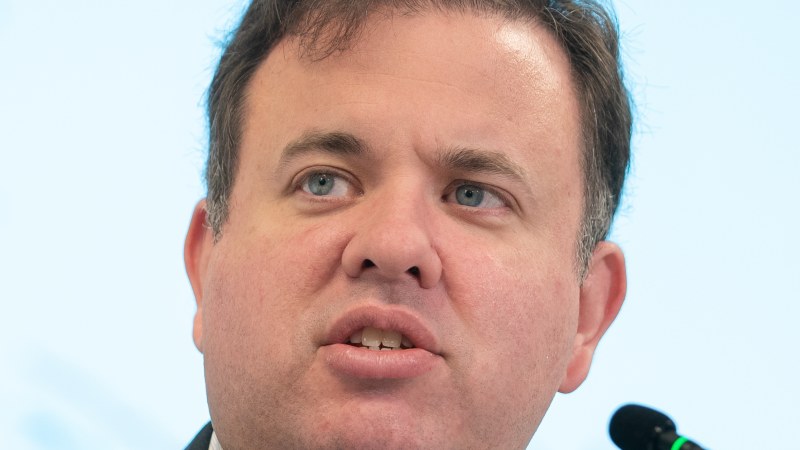
Michael Strain
Michael R. Strain is one of Washington's most-cited economists - director of economic policy studies at the American Enterprise Institute, author of 'The American Dream Is Not Dead (But Populism Could Kill It),' and a columnist whose data-first optimism cuts against the grain of both parties. He studies labor markets, macroeconomics, public finance, and social policy, testifies before Congress, teaches at Georgetown, and writes for the Financial Times and Project Syndicate.