housing-policy
(6)
Zack Rosen and the problem of getting things done
He helped build software for a presidential campaign, bicycles for San Francisco and a company for the open web. Then the city around him became another problem to work on.
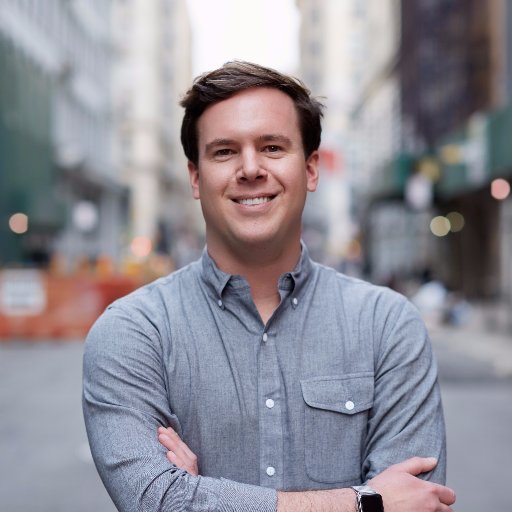
Brian Faux and the price of a simple question
Before co-founding Morty, Brian Faux worked inside the mortgage machinery and helped shape housing policy after the financial crisis. His career keeps returning to a deceptively ordinary question: why should buying a home be so difficult to understand?

Jerusalem Demsas Learned to Argue in Seven Minutes. Now She’s Building a Magazine for the Long Fight
Housing gave her family access to opportunity. Debate taught her to test a claim from both sides. Now the journalist and editor is turning those lessons into The Argument, a magazine built for disagreement without surrender.

Eshan Dosani Is Turning Paperwork Into a Field Problem
Before he built software for clinics, Eshan Dosani studied policy, organized on the ground and helped families clear the small financial barriers that keep large problems in place. His operating principle has stayed remarkably consistent: get close enough to the work that the paperwork can no longer hide the problem.

Howard Husock
Howard Husock is a senior fellow in Domestic Policy Studies at the American Enterprise Institute, where he studies housing, municipal government, civil society, and philanthropy. A former Emmy-winning WGBH documentary filmmaker who later taught case studies at Harvard's Kennedy School and ran research at the Manhattan Institute, he has spent four decades arguing that American housing policy keeps making the same trillion-dollar mistake. His 2025 book The Projects rereads the history of public housing as a story of demolished communities, not just demolished buildings.

Will Stancil
Will Stancil is a civil rights attorney and research fellow at the University of Minnesota Law School's Institute on Metropolitan Opportunity, known for his prolific and combative presence on social media - dubbed by Slate as 'the most harassed man in the history of Twitter.' A specialist in housing policy, school segregation, and metropolitan governance, Stancil gained national attention in 2023 defending Biden-era economic narratives against 'vibecession' framing, ran for Minnesota state legislature in 2024, and emerged in 2026 as a visible organizer documenting ICE operations in Minneapolis. His mix of rigorous policy research and relentless online engagement has made him one of the most recognizable progressive voices in American digital politics.