healthcare-infrastructure
(5)
The Patient Portal Was Never the Point
Osana tried to sell affordable healthcare. Then it discovered the more interesting business was fixing the machinery underneath it - one appointment, API, and anxious patient at a time.

The Healthcare VC Selling Something Scarcer Than Money
Flare Capital has nearly $1 billion under management. Its sharper pitch is a network that turns healthcare's guarded buyers into advisers, pilot partners and customers.

Wheel
Wheel is an Austin-based virtual care company that provides the behind-the-scenes infrastructure powering telehealth for health plans, retailers, pharma and digital health brands. Rather than running its own branded clinic, Wheel supplies a configurable platform, a nationwide network of licensed clinicians and the compliance and operations layer companies need to launch and scale virtual care programs. Its Horizon platform, launched in 2024, layers AI and condition-specific care programs on top of a data-first EHR. Wheel says it has delivered care to more than four million people and has raised roughly $216 million, including a $150 million Series C in 2022.

Carecubes
Carecubes makes the Carecube, an FDA 510(k)-cleared negative-pressure isolation canopy that turns any standard hospital bed into an airborne-isolation unit in about 20 minutes. Born from a DARPA-funded Ebola-era project at San Francisco research lab Otherlab, the device pulls air through an H14 HEPA filter, holds negative pressure, and lets caregivers reach patients through glove walls - isolating the pathogen instead of the patient. The Arden Hills, Minnesota company closed a $6.5M Series A in March 2026 and has deployed across dozens of communities and health systems.
BLOX
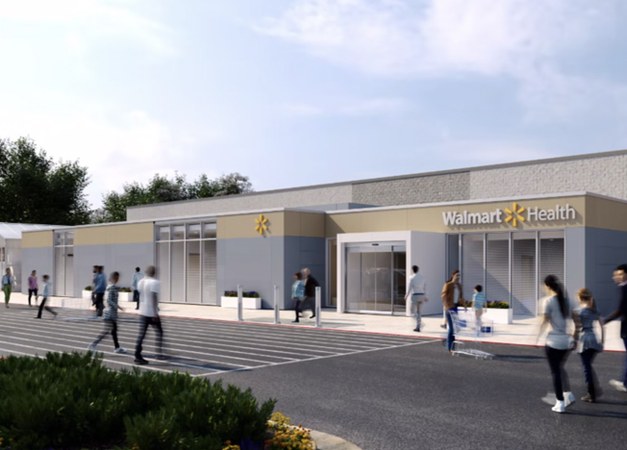
BLOX is a Bessemer, Alabama company that builds hospitals the way Detroit builds cars. Using its own Design Manufacture Construct (DMC) method, BLOX engineers and fabricates complete medical modules - patient rooms, exam rooms, trauma centers, headwalls and bathrooms - inside a million-square-foot former railcar factory, then ships them across the country to be assembled on site. Founded in 2010 out of architecture firm GA Studio, BLOX has grown to roughly 600 employees and bills itself as the largest manufacturer of modular healthcare buildings in the United States.